
Reviewed · COOKING CLASSES
Sardinia Cooking Class: Fresh Handmade Pasta
Pasta in a real Sardinian home changes everything. This class in Sinnai, near Cagliari, turns local cooking into a warm, hands-on cultural moment—right in a traditional Campidanese house where you’ll eat what you make.
I love the hands-on pasta work: you shape malloreddus and then tackle the famous, fussy closing style of culurgiones. I also love that the meal feels like a family table—wine, typical products, and relaxed conversation with a local guide who keeps things practical and clear.
One catch: the house has cats and a dog, so animal allergies are a deal-breaker. If that’s you, skip this and look for a cooking class elsewhere.
In This Review
- Key things I’d mark on your itinerary
- Entering a Campidanese House in Sinnai (Not a Studio)
- The Real Teaching Moment: Malloreddus and Culurgiones by Hand
- How the Meal Works: Lunch, Local Wine, and Eating Together
- Who You Meet: Local Hosts and a Guide Who Keeps It Clear
- Animals on Site: A Practical Check Before You Go
- Price and Timing: When $92 Feels Fair (and When It Might Not)
- Getting There From Cagliari: Transfers and the Sinnai Factor
- Who This Pasta Class Is Best For (And Who Should Skip)
- Should You Book This Sardinia Fresh Handmade Pasta Class?
- FAQ
- How long is the Sardinia cooking class?
- What does the class cost?
- What pasta will I make during the class?
- Is lunch included?
- Do I get picked up from Cagliari?
- Are there animals in the house where the class takes place?
- What languages are the guides available in?
Key things I’d mark on your itinerary
- Small group (up to 10 people) means more time for questions and more hands-on shaping
- Two Sardinian pastas made by hand: malloreddus and culurgiones
- Culurgiones closing technique is the skill that makes the class memorable
- Lunch + wine (if selected) turns the lesson into an actual sit-down meal
- Traditional Sinnai home setting in a Campidanese-style house adds real atmosphere
- Cats and dog in the house: authenticity for animal lovers, not for allergies
Learn to cook it yourself: more Cagliari classes
- Cagliari: Sardinian Cooking Class with Meal and Drinks★ 5.0 · 56 reviews
- Sardinia Cooking Class: Fresh Handmade Pasta★ 5.0 · 53 reviews
- Homemade fresh pasta cooking class★ 5.0 · 34 reviews
- Traditional Sardinian Lunch and Cooking Class In Cagliari★ 5.0 · 21 reviews
Entering a Campidanese House in Sinnai (Not a Studio)
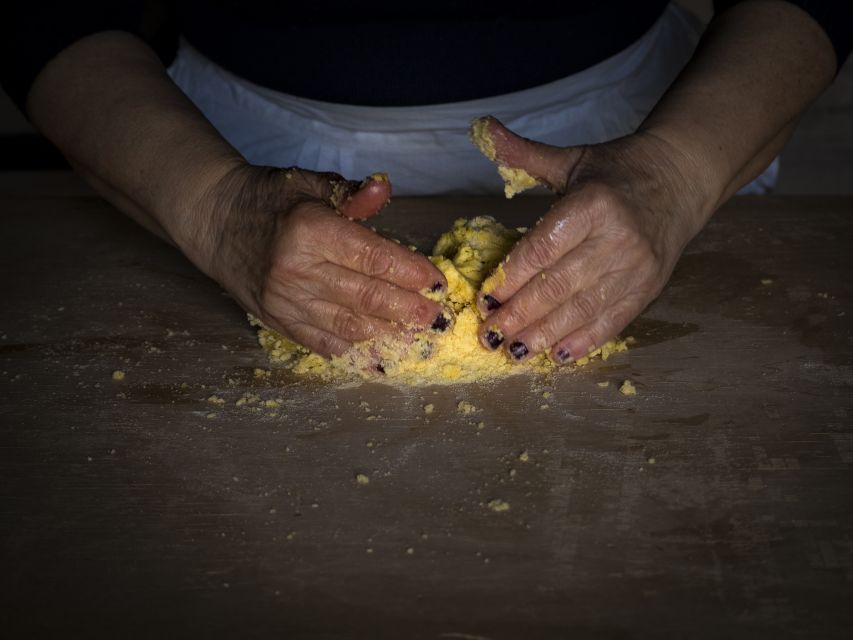
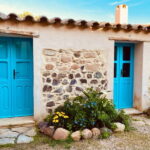
Sardinia often gets described in big, scenic terms. This experience goes the other way. You’re not learning pasta in a classroom vibe. You’re stepping into a restored traditional home in Sinnai, a small town near Cagliari where you can still see that classic Campidanese look—mud-brick walls and wooden roofs in the historic center.
What I like about this setup is how quickly it makes the day feel personal. The pace stays unhurried. You get a sense of how Sardinians actually host: coffee or snacks on arrival, then work that’s shared, followed by eating together.
And yes, there are animals on site. Cats and a dog live in the house. For animal lovers, it feels like part of the family environment. For everyone else, it’s a practical “know before you go” detail—because the experience literally happens where the animals live.
The Real Teaching Moment: Malloreddus and Culurgiones by Hand
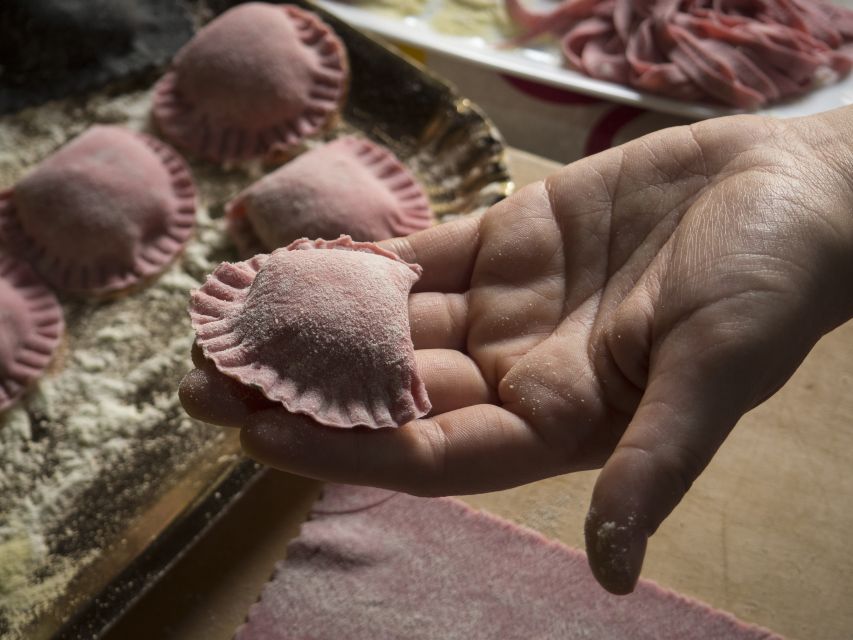
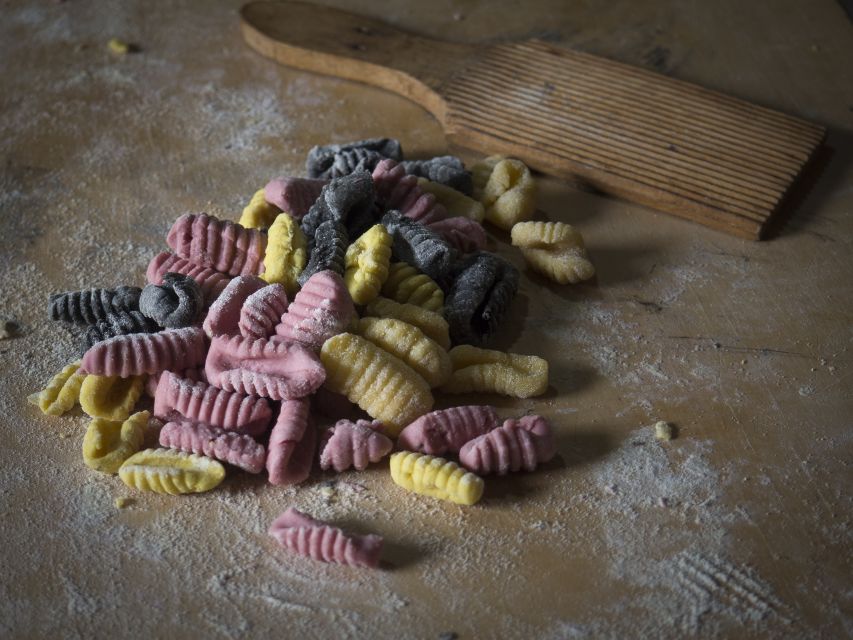
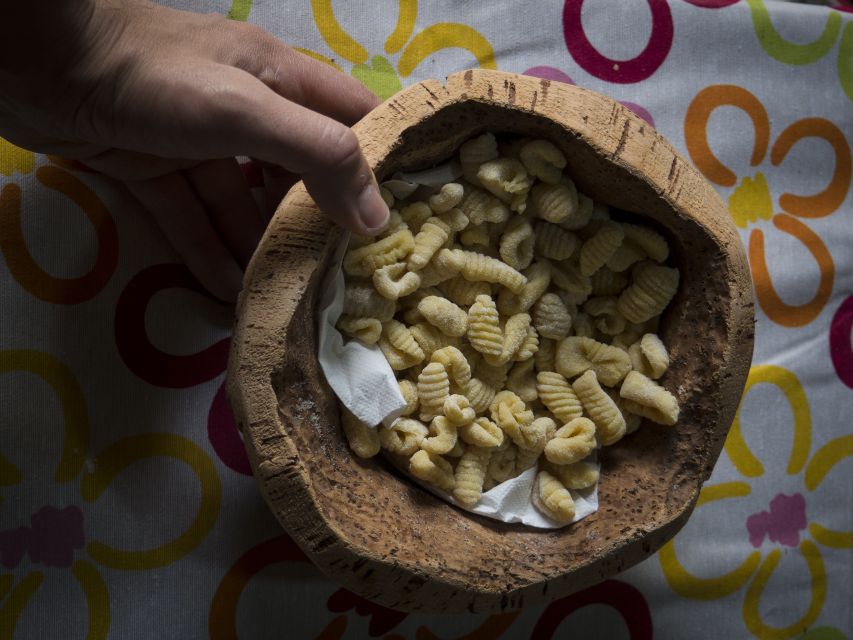
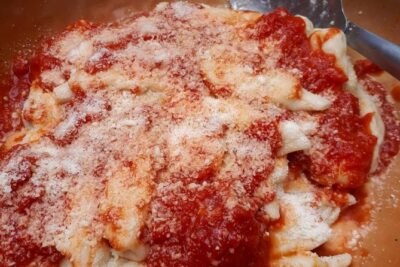
This class is built around two iconic pasta shapes, both tied to Sardinian identity. You’ll learn to make malloreddus (often called Sardinian gnocchi) and culurgiones (ravioli closed in a distinctive way).
Malloreddus: the satisfying work
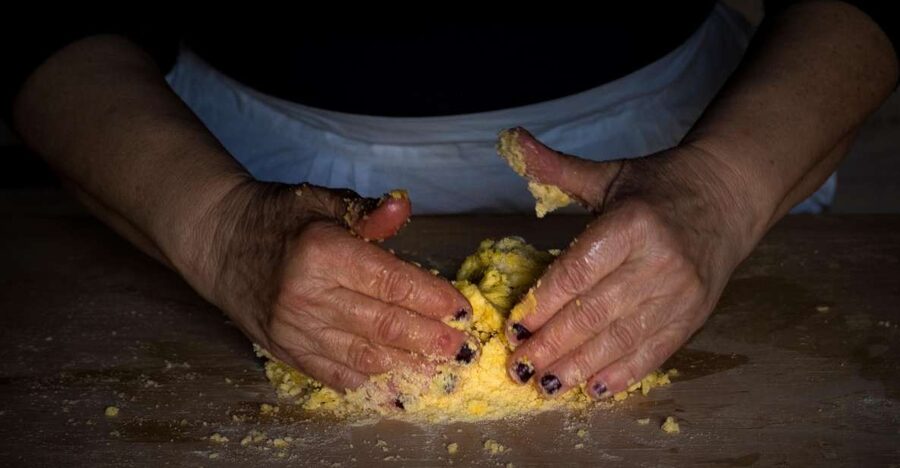
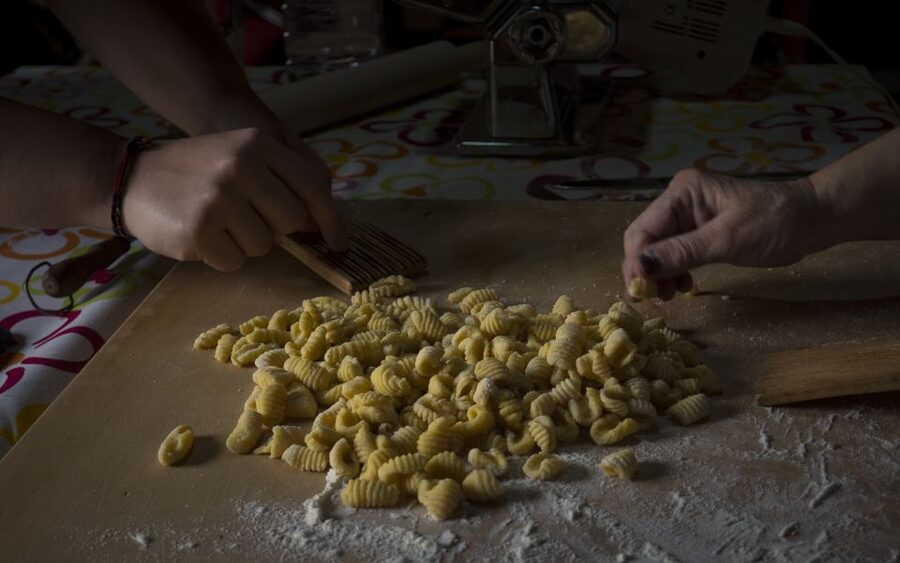
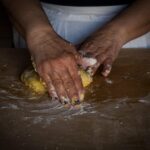
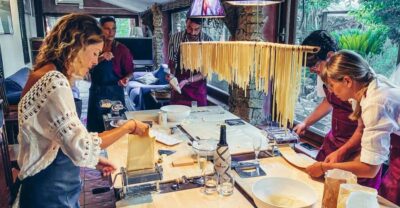
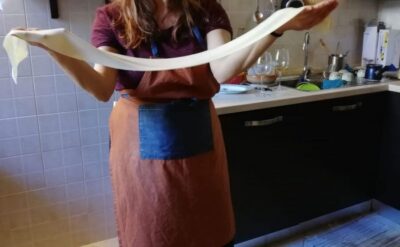
Malloreddus has that comforting, rustic texture. The fun part is that you’re not just rolling dough—you’re shaping. You handle the dough, work it into the right form, and learn what “correct” looks like as you go. The instruction is step-by-step, and in a small group you can actually adjust your technique instead of copying from far away.
Culurgiones: the shape that tests your patience (in a good way)
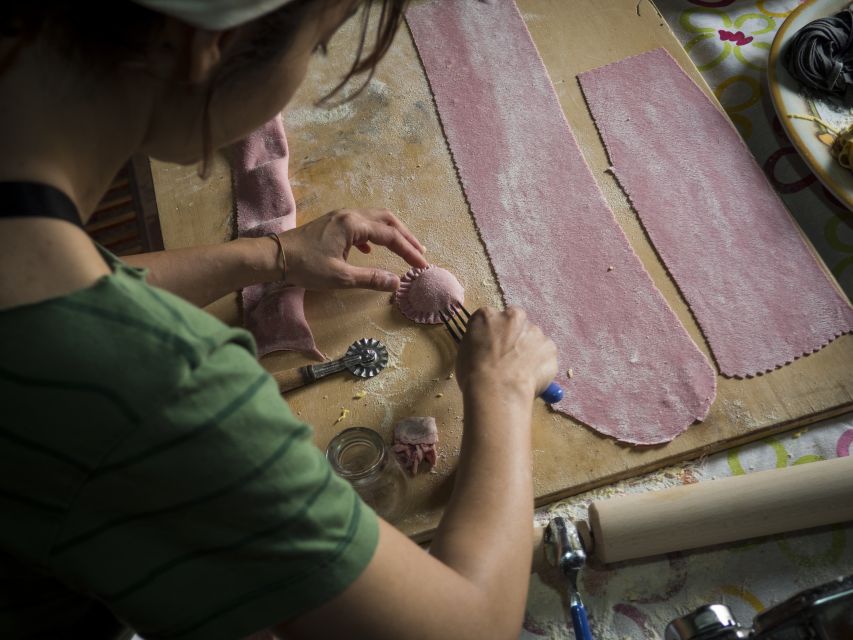
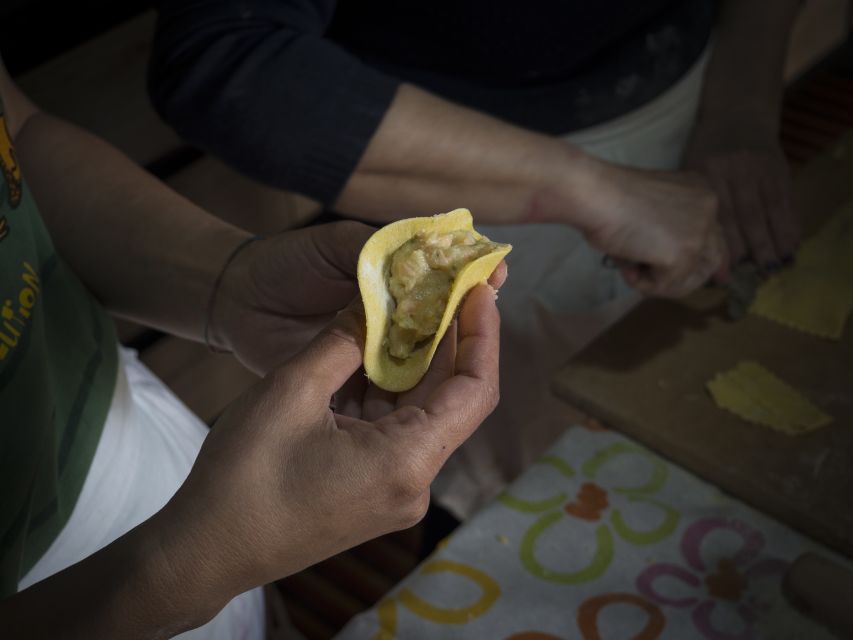
Culurgiones are the showstopper. They’re ravioli, but they’re not closed like the standard version you might expect. The class focuses on the peculiar way they’re sealed, and that’s where you feel the difference between making pasta as a skill and making pasta as a craft.
In a class like this, that technique matters. When you understand why the shape is closed a certain way, you start to see how local cooking is built for results—how it holds filling, how it turns out on the plate, and how it fits Sardinian meal traditions.
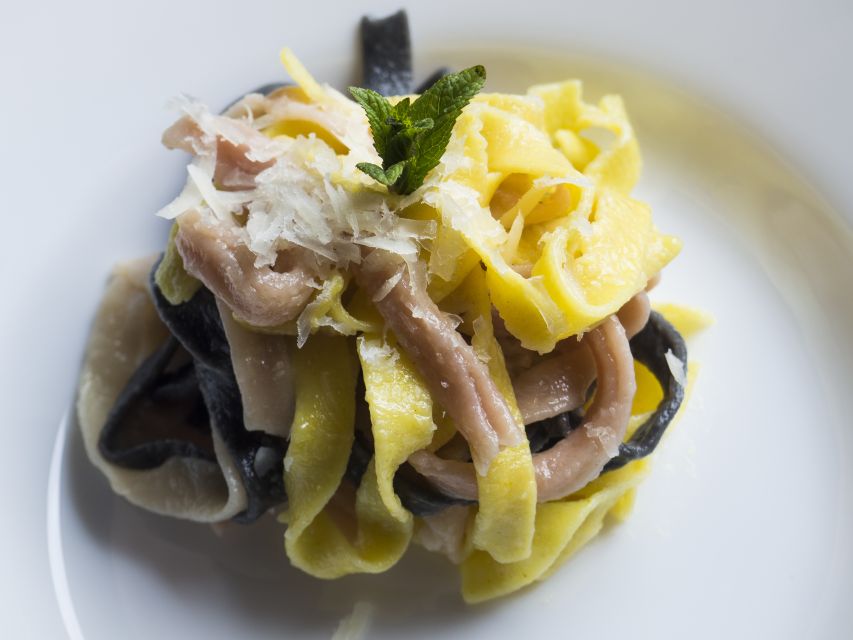
You’ll also taste Sardinian pasta dishes during the day, including ravioli/culurgione and malloreddus, so you can connect what you shaped with what lands on the table later.
How the Meal Works: Lunch, Local Wine, and Eating Together
After the hands-on part, you shift from work mode to eating mode. This is one of those experiences where you don’t just cook and then leave. You cook, then you share a table meal.
Depending on the time slot, you’ll likely start with something light when you arrive (some hosts include an aperitivo-style moment). Then the pasta-making and cooking continues, and eventually you sit down and enjoy what you made along with other typical products. The pace is relaxed, not rushed, and the setting usually feels like a home meal more than a restaurant service.
Wine is part of the experience too—a glass of local wine is included as part of the meal when that option is selected. For me, this is where the value becomes obvious: your money isn’t only buying a cooking lesson. You’re also paying for the full social meal piece that turns it into a real cultural snapshot.
Who You Meet: Local Hosts and a Guide Who Keeps It Clear
This is guided with a live local guide and instruction in Spanish, English, and Italian. That matters because pasta is fiddly, and you don’t want to guess your way through. In the real-world feedback for this kind of class, what people tend to praise most is clarity and patience—and here, the tone is consistently warm.
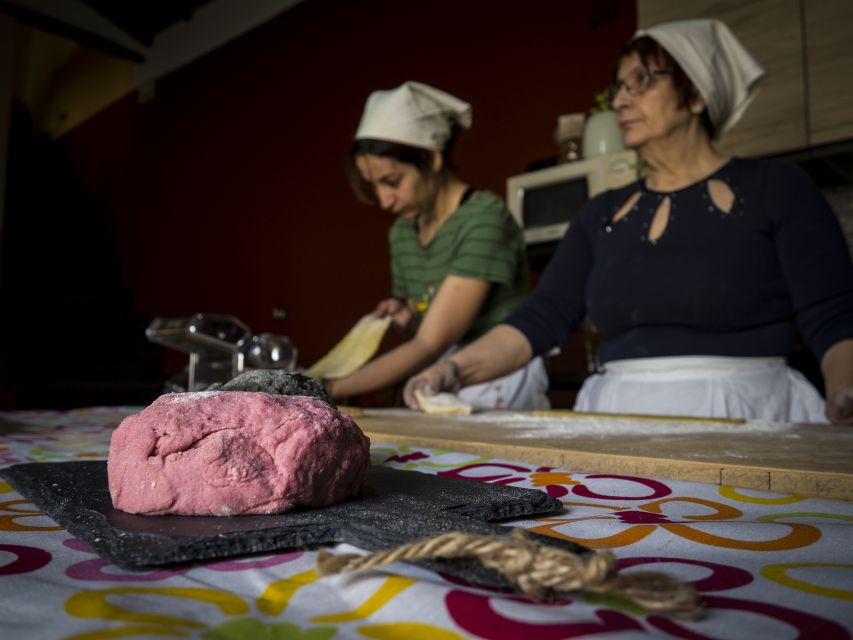
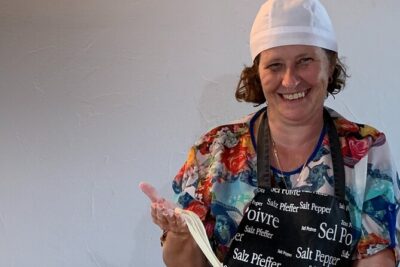
You’ll be taught by a friendly local couple. Names that come up often include Isabella and Valerio. Some days also reference Sylvia/Sylvia in the hosting mix. If you’re nervous about cooking, this is a good sign: you’re surrounded by instruction, not just a lecture and a timer.
The small group size (up to 10 people) is a big deal in practice. It means you’re not shouting across a room. It also means you can actually participate in the shaping steps, ask for fixes, and learn the technique instead of just photographing the process.
One or two more Cagliari outings we rate
Animals on Site: A Practical Check Before You Go
Let’s handle the elephant (or cat) in the room. This class takes place in a home where cats and a dog live. That’s not window dressing—it’s part of the environment.
If you’re comfortable around animals, you’ll probably find it adds to the feeling of authenticity. It also lines up with why many people describe the hosting as welcoming and relaxed.
If you have animal allergies, this isn’t a “maybe.” The experience is clearly listed as not suitable for people with animal allergies. Don’t gamble. Choose a different cooking option where the kitchen environment is controlled.
If you’re not allergic but you’re simply uncomfortable around animals, consider contacting the provider before booking. The data you’re given is specific enough that you can plan around it.
Price and Timing: When $92 Feels Fair (and When It Might Not)
At $92 per person for 3–5 hours, the price lands in the “nice experience” category. For some people, that’s exactly what they want: a focused half-day with real food results, not just a demonstration.
Here’s why it can feel like good value. You’re getting:
- instruction from a local guide
- a small group setup (max 10)
- a full meal after cooking
- local wine when selected
- transfer help on request, with free pickup in the Cagliari area up to 20 km
So you’re not paying only for the pasta flour and dough. You’re paying for the home setting, the time of the hosts, the teaching, and the meal. That package can be worth it—especially if you care about Sardinian food beyond a quick tasting.
The main reason it could feel overpriced is simple: it’s a home-based class with a limited group, so you’re paying for that intimacy. If your goal is just a quick snack and a show, you might feel differently. But if your goal is to learn technique and leave with a memory (and taste) that feels real, the math usually works.
Getting There From Cagliari: Transfers and the Sinnai Factor
Most of your travel planning decision here is about logistics from Cagliari. Pickup is offered on request, with free transfer at least in the Cagliari area up to 20 km. That’s a helpful buffer if you don’t want to rent a car for one activity.
The location—Sinnai—matters, too. This isn’t “in Cagliari city center” where you stay in the same urban bubble. You get out to a smaller place, into a more traditional environment. That change of scenery is often what makes food experiences feel different from just another dinner.
For timing, the session runs 3 to 5 hours, and you’ll want to check available start times. If you’re trying to pack your day tightly, treat this like a real block, not a “drop-in.” The value is in staying for the full cooking and meal portion.
Who This Pasta Class Is Best For (And Who Should Skip)
This is a great fit if you:
- want an active cooking experience, not a passive demo
- like food history expressed through real technique (how a local pasta is shaped matters)
- enjoy small groups where you can actually work with your hands
- want to eat what you make with wine and typical products
It’s also a strong choice if you’re visiting Cagliari and want one experience that feels more local than city sightseeing. Sinnai gives you a “Sardinia beyond the postcards” day.
You should skip this if:
- you have animal allergies
- you dislike the idea of a home environment with pets
- you’re looking for a fast, hands-off activity where you don’t cook much
Should You Book This Sardinia Fresh Handmade Pasta Class?
If you like learning by doing, you’ll likely love it. The combination of small-group attention, two signature Sardinian pastas (malloreddus and culurgiones), and a shared meal with local wine is a strong use of a half day. The Sinnai home setting also gives the day a lived-in quality you don’t get from a polished cooking studio.
Book it if you’re excited by technique, conversation, and food that ties back to local life. Skip it if animals are a problem for you or if you’d rather spend your time on something with less personal, home-based closeness.
FAQ
How long is the Sardinia cooking class?
The duration is listed as 3 to 5 hours, depending on the starting time available.
What does the class cost?
The price is $92 per person.
What pasta will I make during the class?
You’ll make fresh Sardinian traditional pasta, specifically malloreddus and culurgiones (Sardinian ravioli closed in a peculiar way).
Is lunch included?
Lunch is included if the lunch option is selected. A glass of local wine is also included with the meal when that option is selected.
Do I get picked up from Cagliari?
You can request transfer, and there is free pick-up at hotels in the Cagliari area up to 20 km.
Are there animals in the house where the class takes place?
Yes. There are cats and a dog living in the house.
What languages are the guides available in?
The live tour guide is available in Spanish, English, and Italian.
Hands On in Cagliari
Cook It Yourself: Cagliari Classes
More Tour Reviews in Cagliari
New in from around Cagliari

Cooking Classes, compared.
 ★ 5.0Culurgiones Cooking Class CagliariFrom $96321 reviews
 ★ 4.9Alghero: Sardinian Home-Cooking Class and MealFrom $123138 reviews
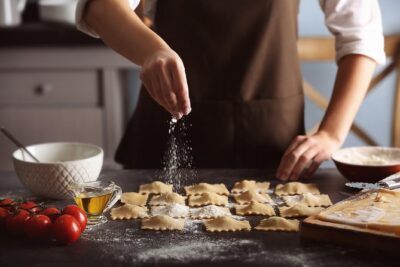 ★ 5.0Alghero Home Cooking Pasta Class at a Farmhouse with WineFrom $131130 reviews
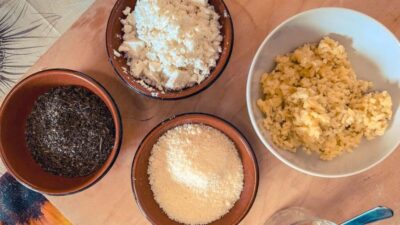 ★ 5.0Cagliari: Sardinian Cooking Class with Meal and DrinksFrom $10556 reviews
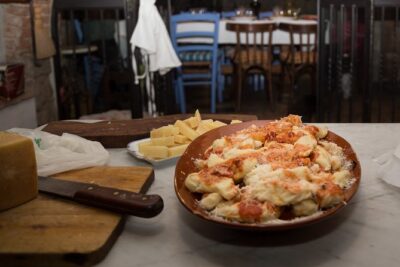 ★ 4.5Cooking Class in a Secret Courtyard – Culurgiones (Sardinian Pasta)From $7255 reviews
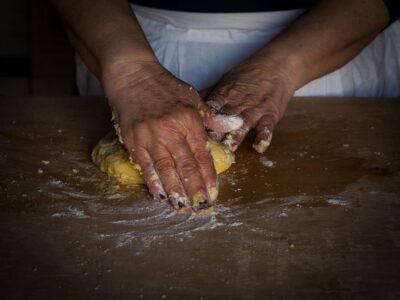 ★ 5.0Homemade fresh pasta cooking classFrom $9034 reviews
 ★ 5.0Traditional Sardinian Lunch and Cooking Class In CagliariFrom $10621 reviews
 ★ 5.0Cooking classes with the chefFrom $13816 reviews
Browse the lists this tour appears in