
Reviewed · CAGLIARI OLD TOWN & CASTELLO WALKS
Cagliari: Underground Cagliari Walking Tour
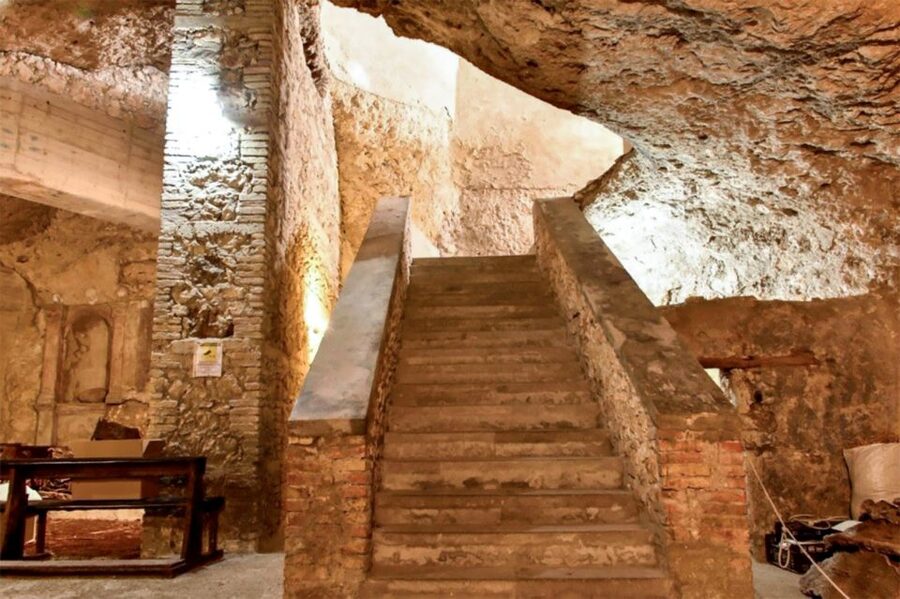
Cagliari hides its history underground. This tour is a practical walk through WWII-era shelters and ancient sites, taught clearly by a guide who handles English and Italian without losing the thread, with stops that feel like you’re stepping back in time. I especially like the mix of 20th-century survival history and fifth-century sacred life, plus the Roman layers under modern Cagliari; one drawback is that it’s not fully underground and there are sections that can feel tight, so it’s not the right pick for claustrophobia.
If you want Cagliari beyond beaches and viewpoints, this is one of the easiest ways to get oriented and understand why the city is built where it is. Bring comfortable shoes, expect some damp, and be ready for a bit of walking outside. For people who need step-free routes, or who get anxious in enclosed spaces, plan another option since this visit isn’t suitable for wheelchairs or some vision and mobility needs.
With a price around $35 per person for a 2–4 hour experience that includes a bilingual guide and entry to three underground stops, the value is mainly in the access and the interpretation. You can also choose to extend the day with a guided Old Town walk or a food-and-wine add-on, depending on your mood.
In This Review
- Key things to love about Cagliari Underground
- Entering Cagliari’s underground story: three time periods, one guided thread
- The one thing to watch
- The Salesian school tunnel shelter: 120 meters of WWII history
- What I find valuable here
- Small practical note
- Stampace and Marina walks: the surface context that makes the underground click
- Who this part helps most
- Cripta di Santa Restituta: frescoes, damp air, and a 5th-century story
- Why the crypt is more than an old room
- The drawback to consider
- MUTSEU and Saint Eulalia undergrounds: Roman ruins under the church area
- What I like about the “Roman road” element
- The pacing you should expect
- The Old Town add-on vs. food and wine tasting: choose your ending
- Old Town walk: best for first-timers
- Food and wine tasting: best for a simple, low-effort finish
- My practical advice on choosing
- Guides and language: what English and Italian support feels like in practice
- Duration and group type: why the 2–4 hours range matters
- Price and value: is $35 fair for three underground sites?
- When it’s especially good value
- What to bring (and what to expect under earth)
- Who should not book this tour
- Should you book the Cagliari Underground Walking Tour?
- FAQ
- How long is the Cagliari Underground Walking Tour?
- How much does it cost?
- What underground sites are visited?
- Is the tour completely underground?
- What language is the tour in?
- What should I bring?
- Is it suitable for claustrophobia or mobility needs?
- Can I add an Old Town walk or a food and wine tasting?
Key things to love about Cagliari Underground
- WWII tunnel shelter under the Salesian school, including a long private stretch used during the war
- Crypt of Santa Restituta, with frescoes and the feel of a damp, dripping underground space
- Archaeological Area of Saint Eulalia (MUTSEU), including Roman ruins like a paved road
- Walks through Stampace and Marina, so you understand the surface neighborhoods too
- Dual-language guiding (English and Italian), with guidance structured to keep both languages moving together
- Optional add-on after the underground sites, either Old Town highlights or a food-and-wine tasting
Deeper into Cagliari, on foot
- Cagliari: Walking Tour of the Old City★ 4.8 · 560 reviews
- Cagliari Vintage Tour★ 5.0 · 185 reviews
- Cagliari: Molentargius Natural Park Segway Tour with Coffee★ 4.7 · 114 reviews
- Cagliari: walking tour through the alleys of Castello★ 4.9 · 74 reviews
Entering Cagliari’s underground story: three time periods, one guided thread
Cagliari’s surface streets look sunny and ordinary, until you follow a guide down into the layers beneath. This tour works because it isn’t just “cool caves.” It’s a guided sequence of places tied to real eras: wartime survival, early Christian and pagan-era beliefs, and Roman urban life. The pacing also matters—short walks aboveground between districts, then focused guided time in each underground site.
I like that the experience is built around three specific underground locations rather than a long list of random rooms. That makes it easier to connect what you see to the bigger story the guide is telling. And since the tour runs with English and Italian, you get a clearer sense of what matters at each stop, instead of getting stuck guessing in silence.
The one thing to watch
It’s not fully underground. You’ll do some walking outside, and the tight indoor sections may feel claustrophobic even if you’re fine with underground spaces in general. If you’re sensitive to enclosed areas, this is the biggest consideration.
The Salesian school tunnel shelter: 120 meters of WWII history
The tour starts with a guided look at a tunnel shelter beneath the school complex (the Salesian school site). This isn’t described as a dramatic “set piece.” It’s presented as a real WWII survival space, including a 120-meter-long private tunnel shelter that was used as a bomb shelter. That detail changes how you experience it—you’re not just touring an old underground room. You’re walking through a space built for people trying to stay alive.
The tunnel portion sets the tone for the whole tour. You’ll get your bearings first, then the guide moves from the recent past into older sacred spaces and Roman remnants. In practice, that means you’re more able to understand what “beneath the city” really means: Cagliari’s underground isn’t one theme. It’s multiple functions from multiple centuries.
What I find valuable here
WWII history can sometimes get vague in other tours—big dates, no feeling. Here, the physical length of the shelter (120 meters) helps you grasp scale. And since the guide explains what the space was for, you end up thinking about how wartime life altered ordinary urban planning.
Prefer to see Cagliari at walking pace? A few more





Small practical note
Wear shoes that handle uneven, potentially slick surfaces. Even when a tunnel is well managed, underground air and moisture can make floors feel different than street level.
Stampace and Marina walks: the surface context that makes the underground click
You don’t stay underground the whole time. Between the main stops, the tour includes quick guided transitions through Cagliari’s old districts—Stampace and Marina—each with a short walk segment. Those aboveground steps are brief, but they matter because they help you place what you’re learning into a real map you can remember.
This is also where the tour becomes more than “three stops.” You start thinking like a local: which neighborhoods sit above which archaeological layers, and how the city grew. If you’ve only visited Cagliari by walking around the historic center without a plan, these segments are a fast way to get your bearings.
Who this part helps most
If you’re the type who likes to leave a city with a mental sketch—where things are and why—these district walks are a big help. If you prefer minimal movement and maximum indoor time, you’ll still get value, but you should know there’s some outside walking built in.
Cripta di Santa Restituta: frescoes, damp air, and a 5th-century story
Next comes the crypt of Santa Restituta, guided and focused, with time set aside to study what remains. This stop is described as a magnificent and richly layered site, and the key sensory detail is the moisture: you’ll hear the sound of water dripping as you learn about the place.
The guide frames the site through its timeline—specifically a pagan worship context in the 5th century, plus later layers that shaped how the space was used and understood. You’ll also see frescoes that still stand, which helps the guide explain the beliefs and daily reality behind the stones.
Why the crypt is more than an old room
Crypts can feel like a checklist item unless a guide connects them to lived belief. Here, the combination of visible frescoes and the physical feel of the underground environment—cooler air, damp, dripping—helps you understand the crypt as an active space in its time, not just a preserved artifact.
The drawback to consider
Underground spaces can vary by day and weather. The tour suggests an umbrella if it’s raining, which implies that outside sections can get wet. Also, even if you’re not claustrophobic, standing and listening in damp air may not feel comfortable for long stretches.
MUTSEU and Saint Eulalia undergrounds: Roman ruins under the church area
The final major stop is the archaeological area tied to Saint Eulalia, associated with the MUTSEU complex (Museo del Tesoro e Area Archeologica di Sant’Eulalia). This portion is guided as well and is presented as the place where you’ll admire Roman ruins beneath the church area.
One specific highlight named is a paved Roman road, which is the kind of detail that turns an abstract “Roman Cagliari” story into something tangible. When you can see road paving, you start thinking about traffic, movement, and how a city worked on foot long before the modern street grid took over.
What I like about the “Roman road” element
Roman archaeology often gets described in terms of fragments—columns here, stones there. A paved road is different. It gives you an alignment point, a line you can imagine travelers using. Even with limited time, that helps you understand why towns stayed where they did: infrastructure creates gravitational pull.
The pacing you should expect
This is another guided session, and the tour’s overall structure keeps you moving between underground sites and short walks. That helps keep attention from fading, especially when you’re dealing with echoing underground spaces.
The Old Town add-on vs. food and wine tasting: choose your ending
You can extend the experience in one of two ways depending on the option you book:
- Guided walk through the Old Town (if you choose that extension)
- Food and wine tasting (if you choose the tasting extension), including a wine tasting and snack
Old Town walk: best for first-timers
If Cagliari is brand-new to you, the Old Town option is a strong way to end. You’ll stroll historic-center streets with your guide and pick up highlights you might miss on your own. This also helps if you want the “surface” story to match the underground story.
Food and wine tasting: best for a simple, low-effort finish
If you want a relaxed ending, the tasting option includes wine tasting and snack. One consideration: the tasting experience may be less of a multi-course, guided sampling session and more of a glass-and-snack style add-on. If you’re expecting a deep, structured tasting with lots of different pours, consider that potential mismatch before you choose.
My practical advice on choosing
If your priority is learning—history and place—pick the Old Town walk. If your priority is a calm, casual stop after walking and standing underground, pick the tasting option.
Guides and language: what English and Italian support feels like in practice
This tour runs in English and Italian. The guides are also described as switching between languages effectively, and multiple guides have been singled out by name in the experience: Francesca, Valentina, and Fredrico. The consistent theme is that the guiding stays clear and organized rather than becoming a chaotic two-language mix.
One note for group dynamics: when groups are larger, the pacing can feel more efficient than tailored. If you’re joining a bigger group and you strongly prefer one language channel at a time, a private group option can help you get a more comfortable flow.
Duration and group type: why the 2–4 hours range matters
The tour is listed as 2–4 hours, which is a wide range because of site timing and opening schedules, plus whether you add the Old Town or tasting option. In real terms, it means you should plan your day with flexibility around the afternoon or evening.
You can also book a private group available option. If you’re traveling with family, have accessibility needs that are best handled by a smaller group, or simply want more personal pacing, private is often worth considering.
Price and value: is $35 fair for three underground sites?
At about $35 per person, the value comes from what’s included, not just the ticket price. The tour includes:
- A guide in English and Italian
- Dual-language guiding
- Entry fees for the three underground sites
- Wine tasting and snack if you select the tasting add-on
For a short visit, paying for entry to multiple sites plus guided interpretation is usually the real cost-saver. The tour structure also matters: three guided underground locations, plus short walks through historic districts, typically gives you more context than paying for any single site alone.
When it’s especially good value
- If you’re only in Cagliari for a short stay and want a concentrated underground focus
- If you like history explained in a way you can actually remember when you walk back outside
- If you want access and context to sites you’d likely skip or misread without help
What to bring (and what to expect under earth)
For practical gear:
- Comfortable shoes are required in the guidance
- Bring an umbrella if it’s raining, because there will be outside walking sections
Under the surface, the key expectation is atmosphere. Underground sites can be cooler and damp, and the crypt experience includes the sound of dripping water as part of what you’ll notice while learning.
Who should not book this tour
The guidance is clear that it’s not suitable for:
- People with mobility impairments
- Wheelchair users
- People with claustrophobia
- Visually impaired people
If any of those apply, skip this one and look for a more appropriate Cagliari tour format.
Should you book the Cagliari Underground Walking Tour?
I’d book this if you want a focused, guided way to understand Cagliari’s layers: WWII survival spaces, a crypt tied to early belief systems, and Roman ruins under the Saint Eulalia area. The tour’s best feature is the way it connects time periods through places you can physically stand in.
I’d skip it if you’re tight-space sensitive, have mobility or vision needs that don’t match the access limitations listed, or if you’d rather spend your time only aboveground. And if you choose the food and wine add-on, set your expectations to match a simple snack-and-wine finish rather than a long, multi-stop tasting program.
If you’re unsure, consider this rule: if you’re comfortable walking on mostly manageable surfaces and you enjoy learning with a live bilingual guide, this tour is a strong use of a half-day in Sardinia.
FAQ
How long is the Cagliari Underground Walking Tour?
It runs for 2 to 4 hours, depending on starting time and site timings.
How much does it cost?
The price is $35 per person.
What underground sites are visited?
You’ll visit the tunnel shelter beneath the Salesian school (used as a bomb shelter in WWII), the crypt of Santa Restituta, and the archaeological area of Saint Eulalia.
Is the tour completely underground?
No. It includes visits to three underground sites, plus some walking outside between areas.
What language is the tour in?
The tour is offered in English and Italian, with dual-language guiding.
What should I bring?
Comfortable shoes are required. If rain is expected, bringing an umbrella is suggested because there will be outdoor walking.
Is it suitable for claustrophobia or mobility needs?
No. It is not suitable for people with claustrophobia, wheelchairs, or mobility impairments.
Can I add an Old Town walk or a food and wine tasting?
Yes. You can extend the experience with either a guided walk through the Old Town or a food and wine tasting option, depending on what you book.
More Tours in Cagliari




More Tour Reviews in Cagliari
Cagliari on Foot, Keep Going



New in from around Cagliari



Cagliari Old Town & Castello Walks, compared.
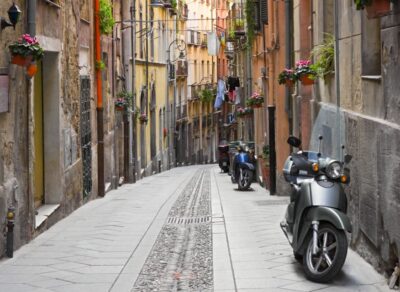 ★ 4.8Cagliari: Walking Tour of the Old CityFrom $25560 reviews
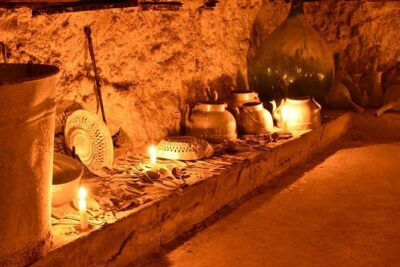 ★ 4.5Underground Cagliari tourFrom $36351 reviews
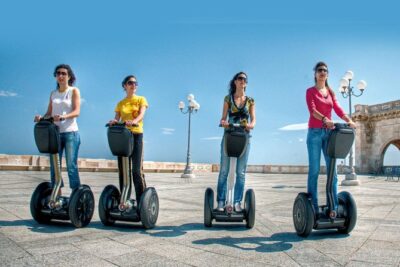 ★ 5.0Cagliari Segway TourFrom $83199 reviews
 ★ 5.0Cagliari Vintage TourFrom $84185 reviews
 ★ 4.7Cagliari: Molentargius Natural Park Segway Tour with CoffeeFrom $81114 reviews
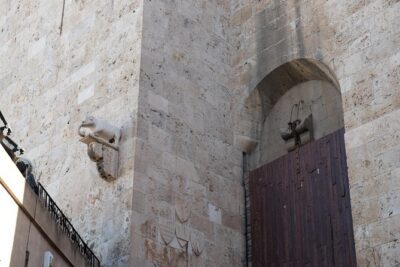 ★ 5.0Cagliari Walking tourFrom $3282 reviews
 ★ 4.9Cagliari: walking tour through the alleys of CastelloFrom $3374 reviews
 ★ 4.6Cagliari Old Town: Wine Tasting and local productsFrom $6543 reviews
Browse the lists this tour appears in