
Reviewed · COOKING CLASSES
Homemade fresh pasta cooking class
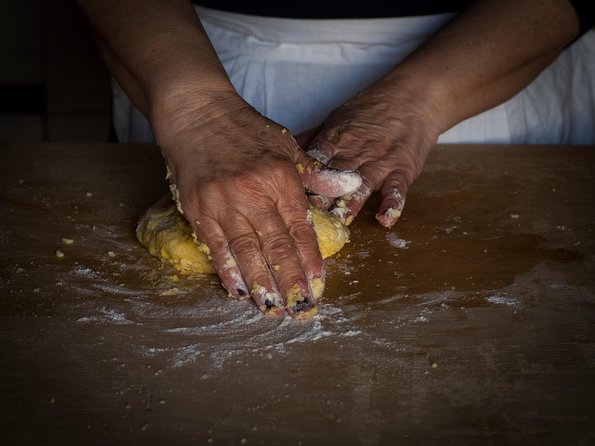
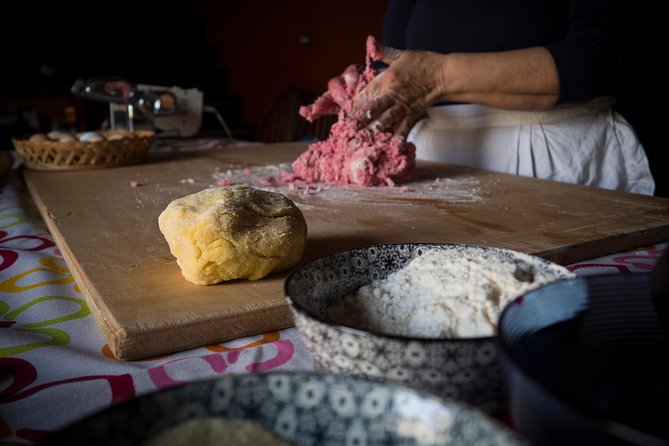
Roll up your sleeves in a real Sardinian home. This homemade fresh pasta cooking class takes you out of central Cagliari and into nearby Sinnai, where Isabella and Valerio teach you how to form two classic pastas: malloreddus (Sardinian gnocchi) and culurgiones (ravioli closed the Sardinian way). It’s hands-on, small-group, and you’re cooking where local life actually happens.
What I especially like here is the personal attention: the group is capped at 10 travelers, so you’re not stuck watching from the back. I also like that you’re not only making pasta, but you’re eating it as part of the day, typically with local antipasti and wine when you choose the lunch option.
One consideration: this experience has a minimum number of travelers, and the operator notes that it’s possible (though not common) for single bookings to be accepted by the system and then get canceled later. If you’re traveling solo, plan around that, and confirm your pickup and any dietary needs ahead of time.
In This Review
- Key Highlights You’ll Actually Care About
- Sinnai Out of Cagliari: Why This Feels Local
- The Pastas You’ll Make: Malloreddus and Culurgiones
- Malloreddus: Sardinian Gnocchi, Not “Just Pasta”
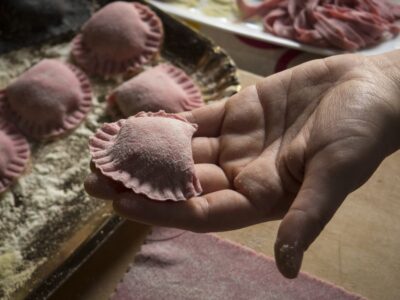
- Culurgiones: Ravioli With a Sardinian Signature Closing
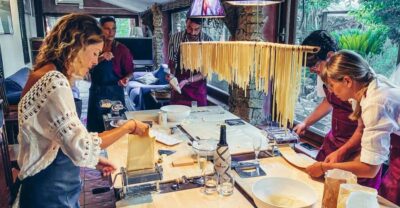
- What Happens in the Kitchen: Hands-On, Small-Group, English Instruction
- Lunch Option and the Sample Menu: What You’ll Actually Eat
- Pickup From Cagliari: Convenience With a Catch
- Price and Value: Is $90.11 Worth It?
- Who Should Book This (and Who Should Rethink)
- FAQ
- FAQ
- What pastas will I learn to make?
- Is the class taught in English?
- How big is the group?
- Is lunch included?
- Do you offer pickup from Cagliari?
- Are there animals at the home?
- What if I have an intolerance or allergy?
- Is there a minimum number of travelers?
- Should You Book This Sardinian Pasta Class?
Key Highlights You’ll Actually Care About
- Malloreddus and culurgiones: two different Sardinian shapes, not just one pasta lesson
- In-home setting in Sinnai: you cook in a house you can picture as part of village life
- Small group size (max 10): more hands-on time and less waiting
- Optional lunch with local flavor: pasta plus typical starters, wine, and Sardinian sweets
- Animal-friendly home environment: two cats and a dog live there, and animals are allowed
Learn to cook it yourself: more Cagliari classes
- Cagliari: Sardinian Cooking Class with Meal and Drinks★ 5.0 · 56 reviews
- Sardinia Cooking Class: Fresh Handmade Pasta★ 5.0 · 53 reviews
- Homemade fresh pasta cooking class★ 5.0 · 34 reviews
- Traditional Sardinian Lunch and Cooking Class In Cagliari★ 5.0 · 21 reviews
Sinnai Out of Cagliari: Why This Feels Local
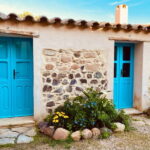
This class is based in Sinnai, a small town near Cagliari. It’s the kind of place where you can still spot the Campidanese-style houses in the historic center, with their mud-brick walls and wooden roofs. That matters because it turns the day from a “tour” into a neighborhood experience.
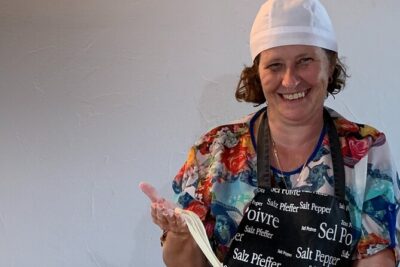
You’ll be welcomed into a family home and taught by Isabella and Valerio. Their teaching style is built for real participation, not performance. And yes, there are animals in the house—two cats and a dog—so if you like being around pets, this is a warm, familiar vibe instead of a sterile cooking studio.
The one drawback is pacing: because this is in a home setting, it’s not going to feel like a timed factory tour. You’re cooking with people and around everyday life, so the flow can feel a bit more flexible than big-city culinary schools.
The Pastas You’ll Make: Malloreddus and Culurgiones
You’ll make two Sardinian staples, and learning both is part of the value.
Malloreddus: Sardinian Gnocchi, Not “Just Pasta”
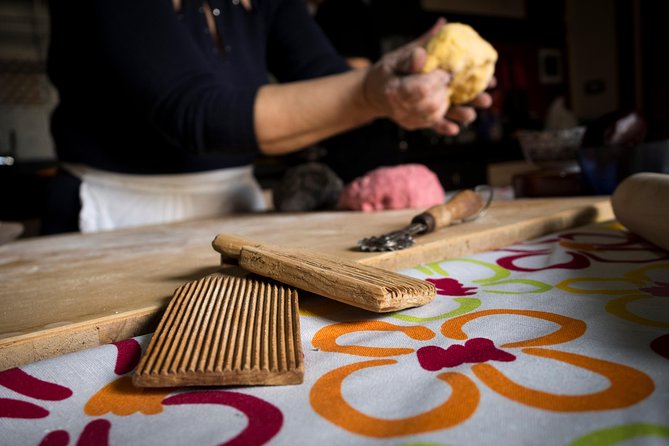
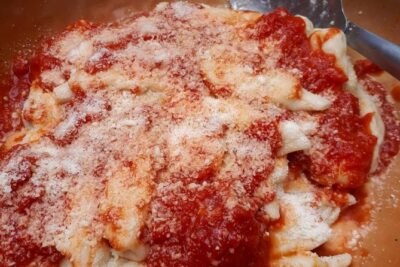
Malloreddus are often described as Sardinian gnocchi, but they’re truly their own thing. The shape helps hold sauce in a way that feels made for a hearty meal. Expect a lesson that focuses on forming the pasta correctly so it cooks the way it should and tastes like what you’d find in Sardinia.
This is a great choice if you want something you can reproduce later. Once you’ve formed the dough and shaped the pieces, you’ll get a practical feel for texture—how firm or soft the dough should be as you work.
Culurgiones: Ravioli With a Sardinian Signature Closing
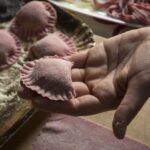
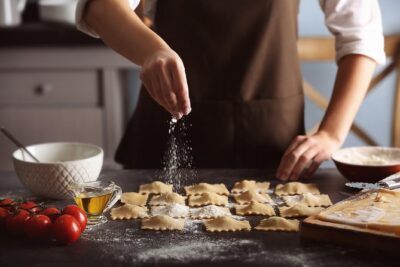
Culurgiones are ravioli, but the closing method is the star. Instead of the usual crimp-and-seal, culurgiones are known for their distinctive way of being closed (including a more “worked” pattern). This is the pasta you’ll probably remember most because it turns into a little craft project by the end.
That closure technique also explains why the class duration is a 4 hours approx. window. There’s time built in to guide you through the steps and correct details while you’re forming.
If you want a class where your hands learn something specific—not just rolling dough—this is the one.
One or two more Cagliari outings we rate
What Happens in the Kitchen: Hands-On, Small-Group, English Instruction
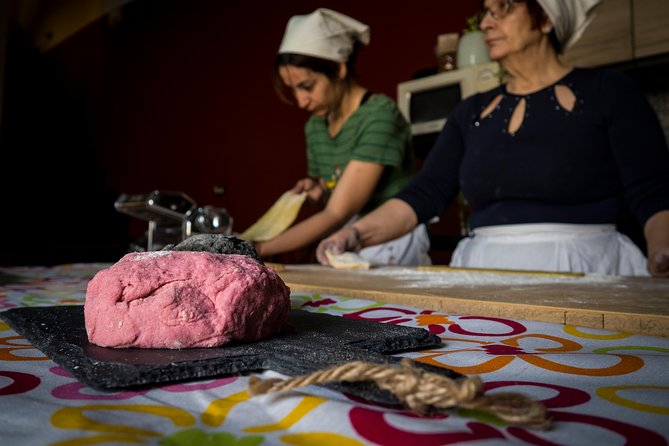
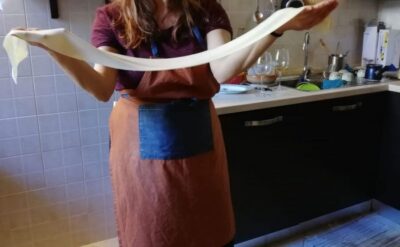
This is a small-group class (maximum 10), taught in English. That combination is practical: you’ll have room to ask questions and get direct correction on shaping, handling dough, and timing.
You can also expect a home-style atmosphere. One common theme in the experience is that you’re not only learning recipes—you’re getting context for how Sardinian food fits daily life. Hosts guide you through what you’re doing and why it matters, and the teaching aims to make you feel like part of the process, not like a student sitting at a table.
In a class like this, the best “takeaway” isn’t only the recipe list. It’s the technique you can reuse later. You’ll understand:
- how dough behaves as you work it
- how shaping affects texture
- how long you need before you’re ready to cook and eat
Also, because the home has pets, the environment is casual and familiar. For animal lovers, it makes the day more human. If you’re not comfortable around cats and dogs, it’s worth thinking about whether you prefer fully controlled kitchens.
Lunch Option and the Sample Menu: What You’ll Actually Eat
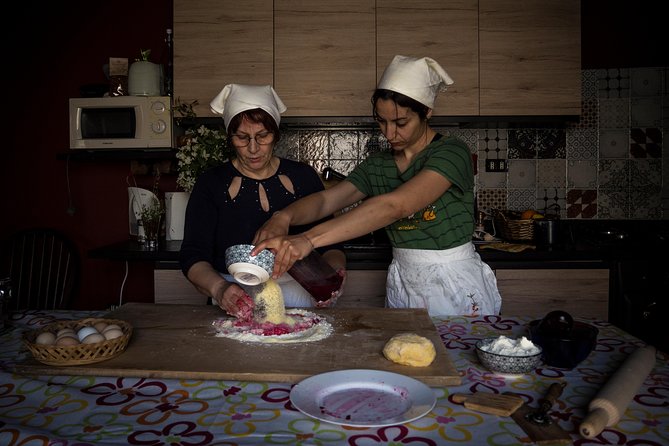
After shaping the pasta, you’ll cook and eat together. If you select the lunch option, the day includes lunch plus typical local products and wine.
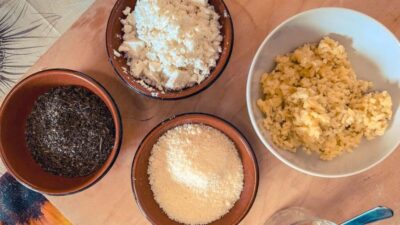
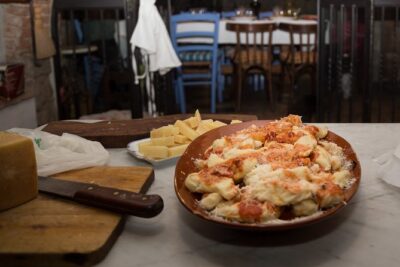
The sample menu gives a clear picture of what “local meal” means here. You can expect starters such as:
- cheese
- dry sausage
- seasonal vegetables
- Sardinian bread
- Sardinian honey
Then comes the main event: culurgiones and malloreddus (the pastas you made). The meal also includes a glass of local wine, plus other typical products, and you’ll finish the lunch with something sweet (the sample menu includes Sardinian honey as a highlight).
Even if you’re a picky eater, this structure helps. It’s not a mystery box. You’ll know there are cheese and bread elements, plus sausage and seasonal vegetables, and then your pasta.
One practical tip: if you have intolerance or allergies, you should write the operator in advance. The experience explicitly asks you to do that, and it matters most in a home kitchen where ingredients may be handled differently than in a large restaurant.
Pickup From Cagliari: Convenience With a Catch
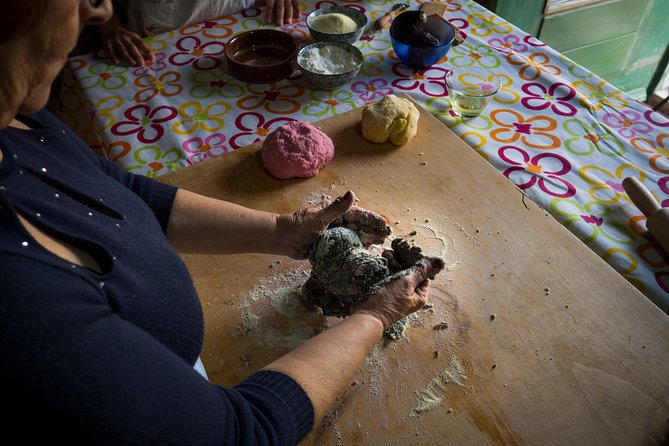
Pickup is included in and around Cagliari, with free transfer within 20 km. If you’re farther out, there’s a surcharge.
This matters for value. A lot of cooking classes advertise “pickup,” but then you find out it’s limited or complicated. Here, you can plan around a straightforward range. If you’re staying in central Cagliari or close by, pickup takes the stress out of getting to Sinnai.
The other side of the coin is time management. This is a 4-hour class, so you’ll want to treat pickup and travel as part of your schedule. If you have another activity right after, don’t pack the day too tightly.
Also note: there’s a nearby public transportation connection mentioned, so even if you end up arranging your own transport, you’re not completely cut off.
Price and Value: Is $90.11 Worth It?
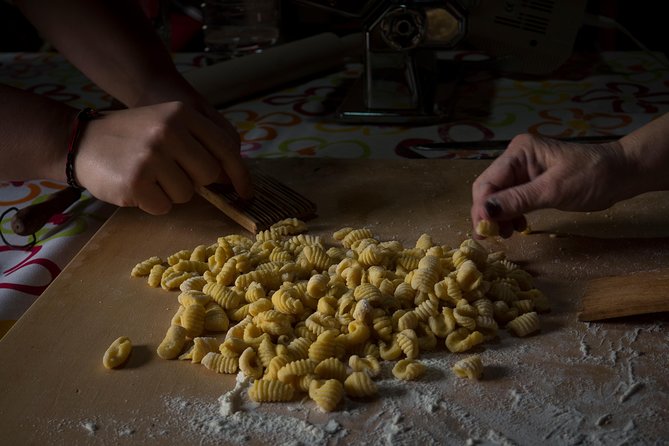
At $90.11 per person for about 4 hours, this sits in the mid-range for Italy food experiences. The value mostly comes from what you’re paying for beyond ingredients.
Here’s what’s included that helps justify the price:
- Small-group teaching (max 10) with English instruction
- Two pasta types made during the session: malloreddus and culurgiones
- Home setting in Sinnai, not a generic classroom
- Pickup from in/around Cagliari (within 20 km free)
- Lunch option that can include antipasti, wine, and typical sweets
If you’re the type of traveler who wants one ticket that delivers skills, culture, and a meal in the same afternoon, this is a strong deal. If you’re only interested in tasting and you don’t care about technique, you may feel it’s pricier than a simple food stop. But if you’re aiming to learn how to reproduce Sardinian pasta at home, the “two pastas” component is the key.
One more note: the class is typically booked around 56 days in advance. That suggests it’s popular enough that you should reserve early rather than gamble on last-minute availability.
Who Should Book This (and Who Should Rethink)
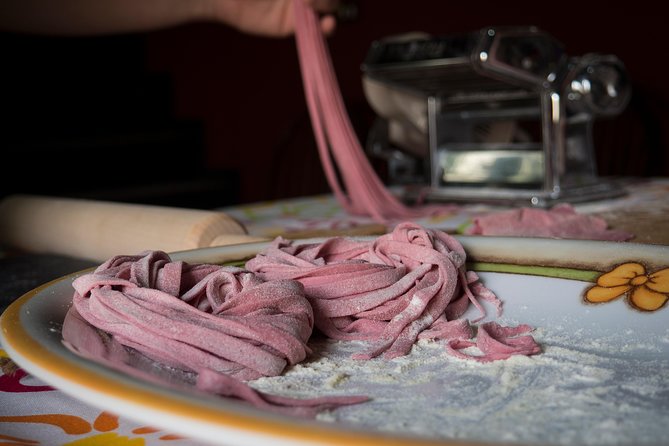
This experience is best for:
- Food lovers who want real technique, not just a meal
- Small-group travelers who like asking questions and getting corrected
- Animal lovers who won’t mind cats and a dog in the home
- People who enjoy a cultural day that includes storytelling alongside cooking
You might rethink it if:
- You’re a solo traveler and the minimum-participant rule creates risk for your schedule. The operator notes that the booking system can sometimes accept single bookings even though the tour requires a minimum number of travelers.
- You want a strictly controlled, no-pets environment. Pets live in the house.
- You have very specific dietary needs and haven’t already alerted the operator in advance.
If your priorities are comfort, technique, and a relaxed local setting, this fits well.
FAQ
FAQ
What pastas will I learn to make?
You’ll learn two traditional Sardinian types: malloreddus (Sardinian gnocchi) and culurgiones (ravioli with the distinctive Sardinian closing style).
Is the class taught in English?
Yes, the class is offered in English.
How big is the group?
The class has a maximum of 10 travelers, which is part of what keeps the attention personalized.
Is lunch included?
Lunch is included only if you choose the lunch option. The day typically includes a meal with local wine and typical products.
Do you offer pickup from Cagliari?
Yes. Pickup is free within 20 km of Cagliari, and a surcharge applies for areas outside that range.
Are there animals at the home?
Yes. There are two cats and a dog in the house. Animals are allowed, and service animals are also allowed.
What if I have an intolerance or allergy?
The operator asks you to write in advance with any intolerance or allergies, so they can take it into account.
Is there a minimum number of travelers?
Yes. The experience requires a minimum number of travelers, and if it’s canceled because the minimum isn’t met, you’ll be offered a different date/experience or a full refund.
Should You Book This Sardinian Pasta Class?
I think you should book it if you want a hands-on afternoon that mixes technique with a genuinely local setting. The combination of two pasta types, small-group attention, and (when selected) a lunch that matches Sardinia is exactly the kind of ticket that helps you bring something home besides photos.
I’d hesitate only if you’re traveling solo with tight timing, because the experience requires a minimum number of participants and can be affected by that rule. If that’s you, I’d plan extra flexibility and confirm your pickup and needs early.
If your idea of a great trip day includes making pasta, eating well, and being in a real village home near Cagliari, this one is an easy yes.
Hands On in Cagliari
Cook It Yourself: Cagliari Classes
More Tour Reviews in Cagliari
New in from around Cagliari

Cooking Classes, compared.
 ★ 5.0Culurgiones Cooking Class CagliariFrom $96321 reviews
 ★ 4.9Alghero: Sardinian Home-Cooking Class and MealFrom $123138 reviews
 ★ 5.0Alghero Home Cooking Pasta Class at a Farmhouse with WineFrom $131130 reviews
 ★ 5.0Cagliari: Sardinian Cooking Class with Meal and DrinksFrom $10556 reviews
 ★ 4.5Cooking Class in a Secret Courtyard – Culurgiones (Sardinian Pasta)From $7255 reviews
 ★ 5.0Sardinia Cooking Class: Fresh Handmade PastaFrom $9253 reviews
 ★ 5.0Traditional Sardinian Lunch and Cooking Class In CagliariFrom $10621 reviews
 ★ 5.0Cooking classes with the chefFrom $13816 reviews
Browse the lists this tour appears in