
Reviewed · CAGLIARI OLD TOWN & CASTELLO WALKS
Cagliari: Walking Tour of the Old City
Cagliari’s old walls still talk to you. This Old City walking tour in Castello turns a simple stroll into a story of Phoenicians, Romans, and medieval rulers, with stops that pay off in real views. I particularly liked how the route threads together history and viewpoints, so you’re not just hearing facts—you’re also seeing why the city was built here.
Two things I really loved: first, the chance to roam the narrow streets of Castello and notice the quirks of the district up close, rather than speeding past them. Second, the panoramic moments, including sights toward the sea plus landmarks such as Molentargius’ Park and the Devil’s Saddle.
One drawback to plan around: this is a walking tour in uneven, stair-heavy old-town lanes. If you have mobility limits (or if you’re looking for wheelchair-friendly routes), this won’t be a good fit.
In This Review
- Key highlights you should care about
- Castello: where Cagliari’s story becomes walkable
- Narrow streets, towers, and bastions: what you’ll actually walk through
- The views that make the walking worth it
- Roman and medieval layers: how the story builds as you walk
- The cathedral interior: a small detail that affects your plan
- How long is enough: choosing 2 vs 4 hours in Castello
- Guides who actually turn the walk into a story
- Price and value: why $25 can be more than it sounds
- Practical tips so Castello doesn’t beat you up
- Should you book the Cagliari Old City walking tour?
- FAQ
- How long is the Cagliari Old City walking tour?
- How much does the tour cost?
- What areas of Cagliari will we visit?
- Is the tour offered in English?
- Is a snack included?
- What should I know about visiting the cathedral?
- Are there morning and afternoon departures?
- Where do we meet?
- Is this tour suitable for people who use wheelchairs?
- Is there a minimum group size?
Key highlights you should care about
- Castello’s narrow lanes: you see how the old district actually feels on foot
- Big viewpoints: sea views plus Molentargius’ Park and the Devil’s Saddle
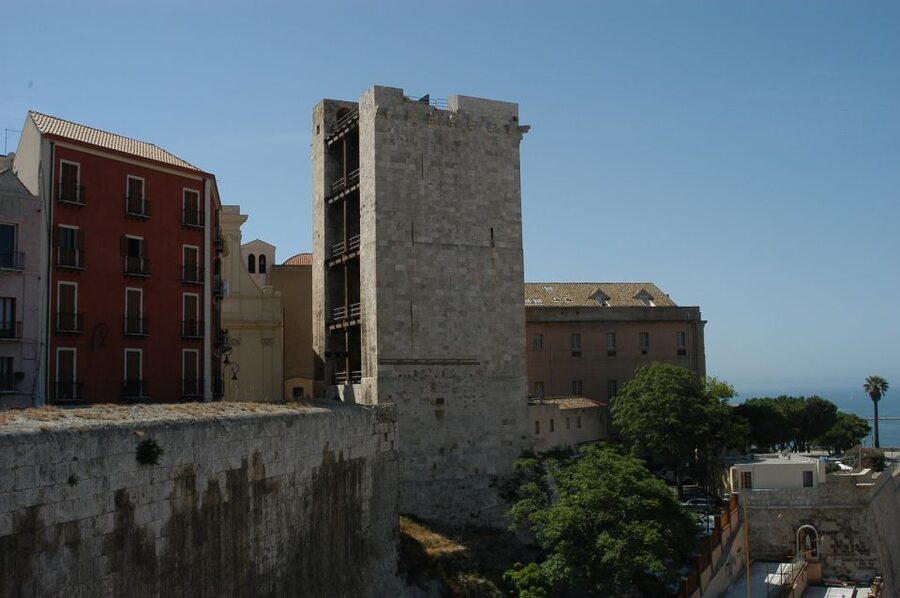
- Tower, bastion, and palace stops: the city’s fort-like logic becomes clear
- Roman and medieval layers: Phoenician origins through changing dominations
- Cathedral interior requires proper attire: plan your outfit before you arrive
- Guides can make or break it: multiple guides praised for pacing, humor, and strong delivery
Deeper into Cagliari, on foot
- Cagliari: Walking Tour of the Old City★ 4.8 · 560 reviews
- Cagliari Vintage Tour★ 5.0 · 185 reviews
- Cagliari: Molentargius Natural Park Segway Tour with Coffee★ 4.7 · 114 reviews
- Cagliari: walking tour through the alleys of Castello★ 4.9 · 74 reviews
Castello: where Cagliari’s story becomes walkable
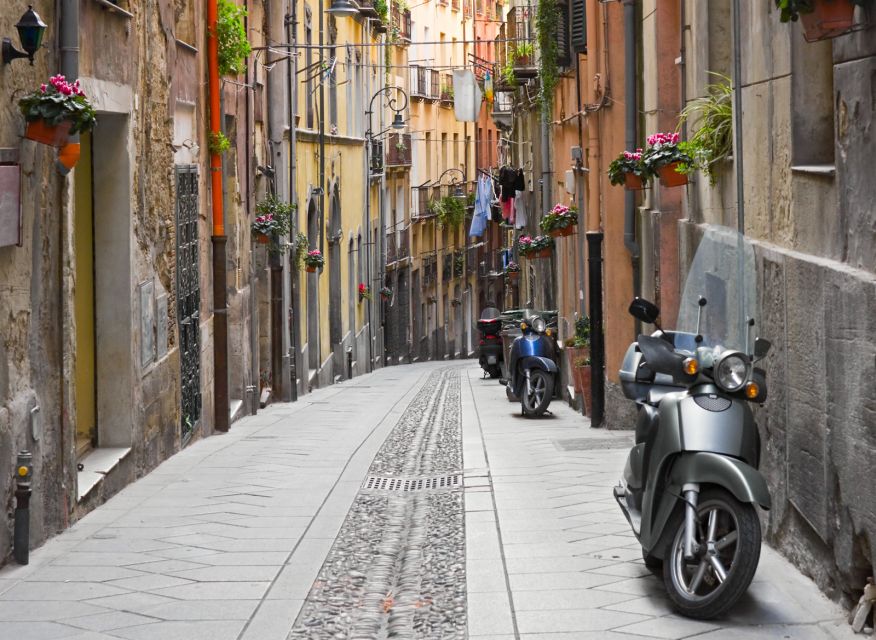
If Cagliari seems like a normal seaside city at first glance, Castello changes that fast. The tour is built around the idea that Cagliari grew in layers, and you can read those layers in the streets, buildings, and defensive shapes. You start in the old district and move through its maze of lanes, towers, and fortifications, with your guide explaining how each era left a stamp on the city.
I like that it doesn’t treat history like a lecture. You’re walking through the spaces where power lived—medieval strongholds facing the sea—and your guide helps you connect the dots between where you stand and what happened here. That connection makes the whole area feel more grounded, not just pretty.
The tour is available in 2-, 2.5-, 3-, and 4-hour options. That matters because Castello can be compact but steep and demanding. Shorter choices let you sample the core sights, while longer ones give you more time to slow down at viewpoints and absorb the story without feeling rushed.
Narrow streets, towers, and bastions: what you’ll actually walk through
Your route through Castello focuses on the “fortress facing the sea” side of Cagliari. As you move, you’ll pass:
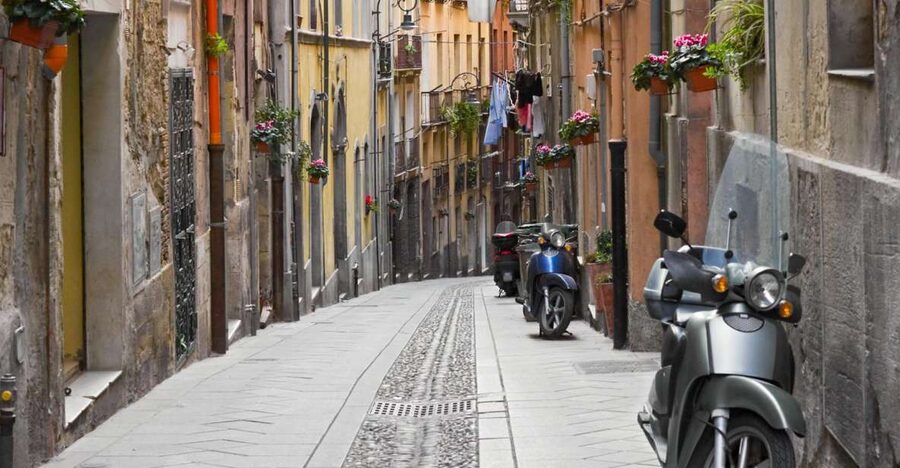
- narrow medieval streets where the street plan itself feels defensive
- towers and bastions that explain how the city protected its position
- the royal palace area as part of the fortress logic
- the cathedral zone as the religious centerpiece of later centuries
What makes this part valuable is that you start noticing details you’d likely miss on your own. On a map, these places look like dots. On foot, you can feel how steep the area is, where sightlines open, and why certain viewpoints mattered. You’ll also learn the peculiarities of the old district—those small odd angles, street constraints, and architectural mix—that are basically the “fingerprints” of generations building over older foundations.
This tour also helps you get your bearings quickly. If it’s your first time in Cagliari, walking Castello with a guide is one of the fastest ways to understand what’s worth returning to later—especially if you want to revisit for photos or a slower, self-guided wander.
The views that make the walking worth it
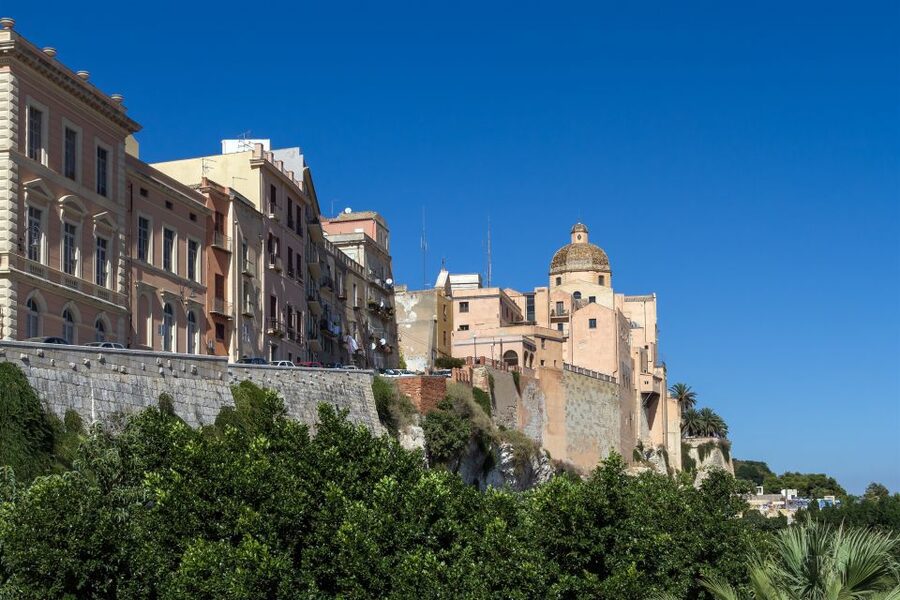
Let’s be honest: old towns can turn into “pretty but tiring” if the itinerary doesn’t pay off. Here, the payoffs are the panoramas. The route includes multiple viewpoint moments where you look out over:
- the city of Cagliari
- the sea
- Molentargius’ Park
- the Devil’s Saddle
Seeing these places in context is the trick. You’re not just taking in a generic vista; you’re learning why those sightlines matter for a city built on defense and maritime connection. The sea matters here. Even when you’re surrounded by stone lanes, you keep getting visual reminders that Cagliari’s geography shaped its history.
Timing can also affect the experience. One reason people liked the later option is that it can line up with cooler temperatures and a more sunset-friendly mood for the panoramic stops. If you’re choosing between morning and afternoon, pick what matches your energy level and the kind of light you want for photos.
Roman and medieval layers: how the story builds as you walk
Cagliari’s roots are ancient, and your guide ties them into a route you can follow. The tour’s narrative begins with the city’s origins tied to Phoenician Karalis, with settlement traces that reach back to the third millennium B.C. From there, the guide connects major shifts:
- During Roman times, Cagliari became the capital of the island
- In the Middle Ages, it became a seat of different foreign dominations, and you can still see evidence of those influences today
This is where a guided walk earns its keep. If you tried to learn this alone, you’d probably bounce between plaques, websites, and guessing. With a guide, the changes feel connected: Rome’s administrative importance becomes understandable, and the medieval layers stop being a blur.
I also like how the tour frames Castello as a fortress. That idea helps you interpret what you’re seeing. Towers and bastions aren’t random; they’re responses to threats, trade, and control. It’s history that explains the city layout instead of just naming dates.
Prefer to see Cagliari at walking pace? A few more





The cathedral interior: a small detail that affects your plan
One stop you’ll likely care about is the cathedral area, including time at the interior as part of the experience. Here’s the practical catch: proper attire is required to visit inside the cathedral.
So before you go, check what you consider proper enough for a church interior. If you’re arriving in very casual summer wear, bring a layer or plan your outfit so you don’t lose the chance to see the interior.
This is one of those “minor” details that can change your satisfaction. If cathedral access is part of your motivation, don’t treat dress code as optional.
How long is enough: choosing 2 vs 4 hours in Castello
The tour comes in multiple lengths for a reason. Castello has a way of making time feel different—some lanes are quick, then you hit steps, and suddenly you’re slowing down more than you expected.
Here’s how I’d think about the time choices:
- 2 hours: best if you want the core Castello walk and a strong introduction, without getting too worn out
- 2.5–3 hours: a sweet spot for most people who want both story and more relaxed viewpoint time
- 4 hours: best if you like to take photos, ask questions, and linger a bit at key stops
The reviews you’ll read about this tour consistently emphasize pacing, and that aligns with what longer tours allow. A longer route can feel more natural if you’re the type who stops often to look, not just pass through. If you’re traveling with limited stamina, choose shorter and save your energy for later meals and a self-guided walk.
Also note: the tour runs in English and Italian, so language fit can affect your sense of time too. If you’re bilingual or comfortable switching, you’ll likely appreciate the guide’s pacing more.
Guides who actually turn the walk into a story
This tour’s biggest strength is the guide. You’ll meet a local guide who handles both English and Italian, and the overall vibe depends heavily on how well your guide can connect details into a clear narrative.
Names that show up in praised experiences include Valentina, Ilenia, Silvia, Maggie, and Roberto. People liked different aspects of their delivery—strong command of English, subtle humor, and the ability to keep the group moving for 4+ hours without making it feel chaotic. One consistent theme: the guides don’t just recite dates. They explain why you’re seeing what you’re seeing, and they often leave room for you to take it in.
If I were advising you as a first-timer: your guide is part of the itinerary. Pick a time when you can arrive relaxed, and don’t rush the meeting point. When you’re ready, the tour’s storytelling really lands.
Price and value: why $25 can be more than it sounds
At $25 per person for a 2 to 4 hour guided walk, the value comes from three things you’re not replacing easily on your own:
- A local guide who ties the city’s “layered history” together as you move
- A route that hits Castello’s key visual anchors, including viewpoints over the sea and toward Molentargius’ Park and the Devil’s Saddle
- Optional Sardinian snack if you choose that option
If you’re the type who tends to skip paid tours because you can “just walk around,” this is one case where paid guidance is worth it—because Castello is easy to wander, but harder to interpret. You can see the sights without understanding them. With the guide, the sights come with context that makes you want to come back and look again.
Also, the tour is offered as a private group available option, which can be a good fit if you’re traveling as a small circle and want a more tailored pace. Private doesn’t automatically mean better, but it often helps if you want fewer questions competing with the group flow.
Practical tips so Castello doesn’t beat you up
This tour isn’t marketed as wheelchair-friendly or mobility-light. It also isn’t suitable for people with mobility impairments, wheelchair users, or visually impaired participants. Even if you’re generally fine, expect old-street conditions.
Here’s how to set yourself up:
- Wear shoes with grip for stone and uneven lanes
- Plan on some climbs and steps as part of the walking experience
- If you care about the cathedral interior, dress accordingly so you’re not turned away
- Bring water, especially on longer options
- Pick morning or afternoon based on your walking tolerance and comfort with older streets
One more small planning note: the meeting point can vary depending on which option you book. Make sure you’re checking the exact start location for your chosen time slot, so you don’t waste your first 15 minutes hunting around Castello.
Should you book the Cagliari Old City walking tour?
I’d book it if you want Cagliari’s history with a map in your feet—Castello’s narrow lanes plus real viewpoints—and you like tours where the guide helps you notice details instead of just pointing. It’s also a strong choice for a first visit because it helps you understand where the city’s most important layers sit.
Skip it (or consider a different style of tour) if you need a flatter, easier route. The terrain and stair-heavy nature make it a poor match for mobility constraints, and even “just walking” in old Cagliari can feel like more work than people expect.
If your ideal travel day includes tight streets, sea views, and a guide who can turn architecture into a story, this $25 guided walk is a pretty smart use of your time in Sardinia.
FAQ
How long is the Cagliari Old City walking tour?
The duration options range from 2 to 4 hours, with choices including 2, 2.5, 3, and 4 hours.
How much does the tour cost?
The price is $25 per person.
What areas of Cagliari will we visit?
You’ll walk through the Castello old district, including narrow streets and stops connected to medieval towers, bastions, the royal palace area, the cathedral, and panoramic points.
Is the tour offered in English?
Yes. The tour is run in dual language English and Italian.
Is a snack included?
A Sardinian snack is included only if you select the snack option.
What should I know about visiting the cathedral?
Proper attire is required to visit the interior of the cathedral.
Are there morning and afternoon departures?
Yes. The tour has both morning and afternoon options.
Where do we meet?
The meeting point may vary depending on the option booked.
Is this tour suitable for people who use wheelchairs?
No. It is not suitable for wheelchair users or people with mobility impairments.
Is there a minimum group size?
Yes. A minimum of 2 people per booking is required.
More Tours in Cagliari





More Tour Reviews in Cagliari
Cagliari on Foot, Keep Going





New in from around Cagliari



Cagliari Old Town & Castello Walks, compared.
 ★ 4.7Cagliari: Underground Cagliari Walking TourFrom $352,329 reviews
 ★ 4.5Underground Cagliari tourFrom $36351 reviews
 ★ 5.0Cagliari Segway TourFrom $83199 reviews
 ★ 5.0Cagliari Vintage TourFrom $84185 reviews
 ★ 4.7Cagliari: Molentargius Natural Park Segway Tour with CoffeeFrom $81114 reviews
 ★ 5.0Cagliari Walking tourFrom $3282 reviews
 ★ 4.9Cagliari: walking tour through the alleys of CastelloFrom $3374 reviews
 ★ 4.6Cagliari Old Town: Wine Tasting and local productsFrom $6543 reviews
Browse the lists this tour appears in