
Reviewed · WORKSHOPS
Cagliari: Ceramics Workshop
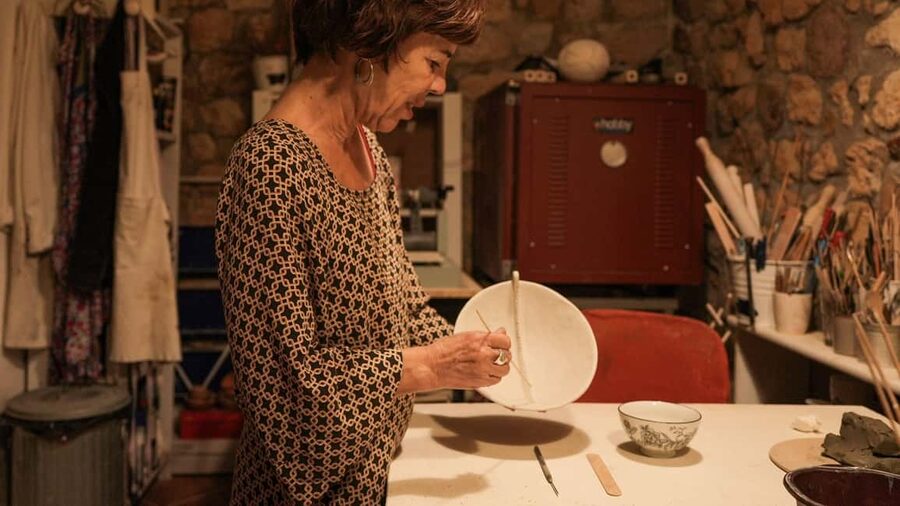
Your hands become Cagliari in two hours. This small-group ceramics workshop in the Castello district pairs hands-on clay time with a real Sardinian wild-herb tea break, all inside a cosy historic house. I like how you start with simple, practical technique and end with something you can actually hold, and you’ll also get a friendly moment to chat and connect with island flavors.
One thing to plan for: your bowl needs to dry before it can be cooked, so you only take it with you if it’s still raw. If you want it fully finished, you’ll either join the bowl exchange or arrange delivery later.
With the instructor Jubanna (Italian and English), the pace stays calm, and group size stays tiny (up to 5). You’ll leave feeling like you’ve done something genuinely local, not just watched art happen.
In This Review
- Key things to know before you go
- Ceramics in Cagliari’s Castello district: what the setting feels like
- Welcome and first lessons: getting from blank clay to a real bowl
- The herbal tea and Sardinian sweets break: more than a pause
- What happens to your bowl: drying, exchange, and take-home choices
- Option 1: Take your bowl now (raw and fragile)
- Option 2: Join the bowl exchange (and go home with someone else’s bowl)
- Option 3: Receive the cooked bowl at home (on request)
- Price and value: is $81 for two hours fair?
- Getting there and what to bring so you stay comfortable
- Who this workshop suits best (and who might not love it)
- A quick reality check before you book
- Should you book Cagliari: Ceramics Workshop?
- FAQ
- How long is the ceramics workshop in Cagliari?
- What does the workshop cost?
- What’s included in the price?
- Do I take my bowl home the same day?
- What is the bowl exchange?
- Can the cooked bowl be delivered to my home?
- What language is the workshop taught in?
- What should I bring and wear?
Key things to know before you go
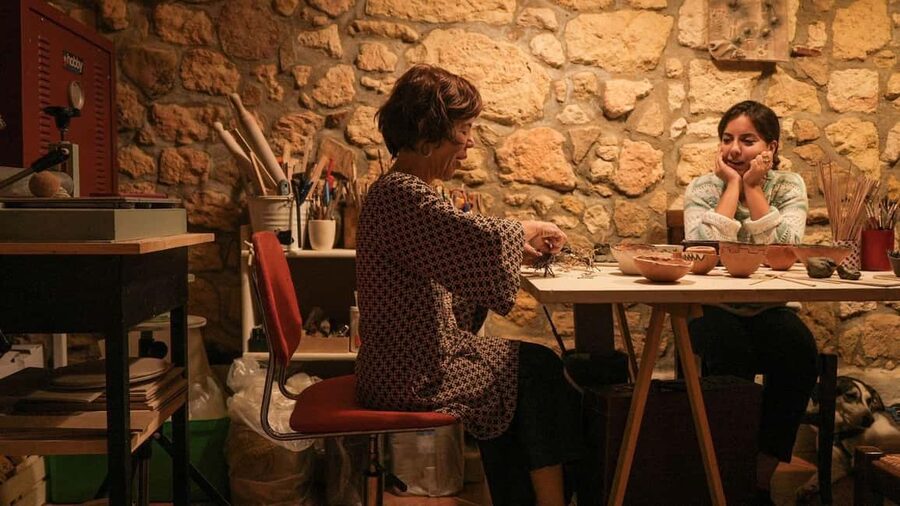
- Up to 5 people means you get real guidance while you shape your bowl
- Castello location puts you in Cagliari’s historic district in a cosy older house setting
- Wild-herb herbal teas and local sweets give you a true Sardinian break mid-workshop
- One bowl per person, then an exchange creates a fun social link with what others made
- Raw take-home vs cooked delivery is the big planning point for timing and packing
One or two more Cagliari outings we rate
- Cagliari: Sardinian Cooking Class with Meal and Drinks★ 5.0 · 56 reviews
- Sardinia Cooking Class: Fresh Handmade Pasta★ 5.0 · 53 reviews
- Homemade fresh pasta cooking class★ 5.0 · 34 reviews
- Traditional Sardinian Lunch and Cooking Class In Cagliari★ 5.0 · 21 reviews
Ceramics in Cagliari’s Castello district: what the setting feels like
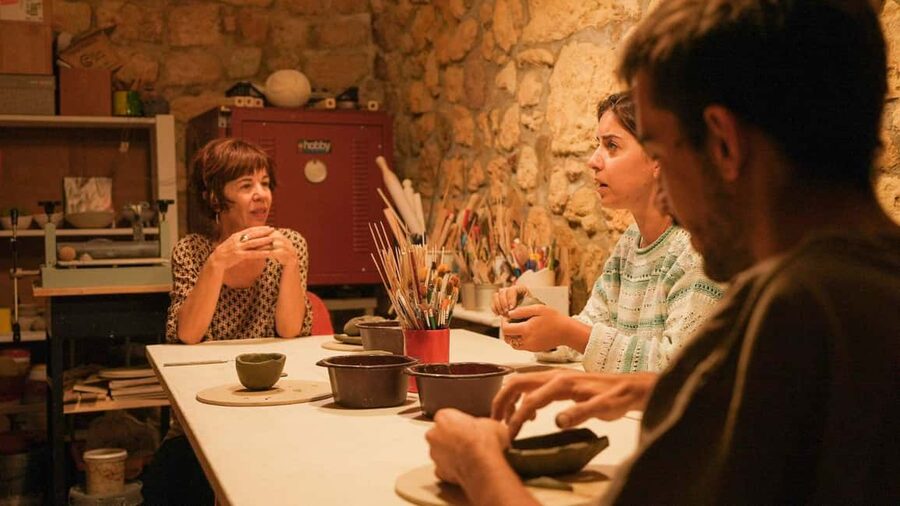
Cagliari’s Castello area is all about narrow streets and older stone buildings, and this workshop is set in a small, cosy historical house. The entrance opens straight onto the street, which makes it easy to find once you’re in the right spot. Expect a warm, lived-in atmosphere where the focus is on doing the work with your hands, not standing around.
The group stays limited to five participants, so you won’t be lost in a crowd. That matters here, because clay is much easier when someone can point out what to change while you’re mid-shape. And because it’s taught in Italian and English, you can follow instructions comfortably even if your Italian is basic.
One practical note: the workshop includes time to change posture and move around while you shape and handle the materials. So wear clothes you’re okay getting stained (see what to bring later).
Welcome and first lessons: getting from blank clay to a real bowl
You start with a welcome and an intro to basic pottery techniques. The goal isn’t to overwhelm you with jargon. It’s more like learning the handful of moves that turn clay from a lump into a form, with simple steps you can repeat.
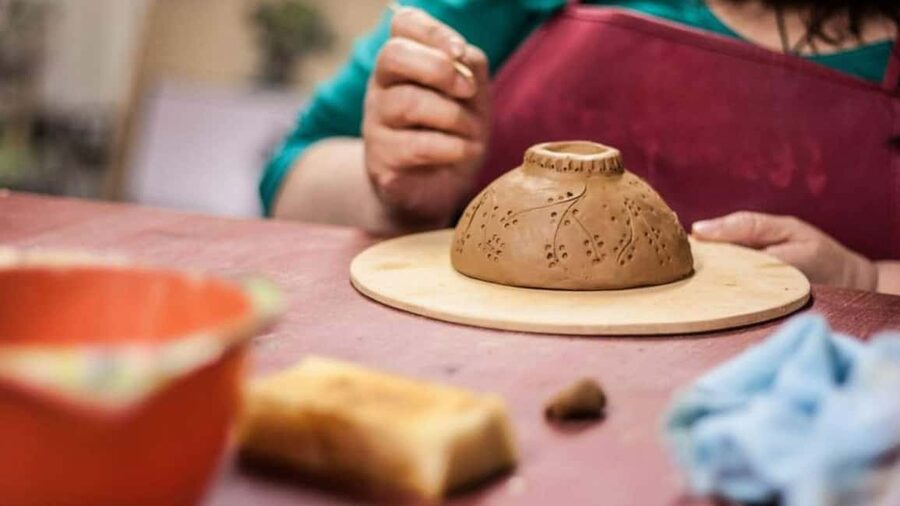
Then comes the main part: creating your own bowl. You’ll follow the guide’s suggestions as you shape the clay, learning how to handle it without rushing or forcing it into the wrong shape. The workshop is built so you can see an actual handmade artefact come to life from your own hands within the session.
The value here is that you don’t just leave with a souvenir. You leave with a small skill set: how to hold the clay, how to shape evenly enough that it dries properly, and how to correct common mistakes while you’re working. Even if you never do ceramics again, that knowledge turns your time into a real experience, not just a photo stop.
The herbal tea and Sardinian sweets break: more than a pause
At some point during the workshop, you’ll get a break for herbal teas and infusions made with wild herbs, plus typical Sardinian sweets. This is one of the best parts of the experience because it slows everything down at the right moment.
You’ve been focused on texture and form, so the tea break gives you a sensory reset. You’re tasting something local while also letting the workshop feel social instead of strictly instructional. The drinks are homemade, and they’re paired with sweets that keep the mood friendly and relaxed.
This pause also helps for practical reasons: you’re about to hear how the bowl will be finished later. If you’re tired or rushed, take-home options can feel confusing. During the tea break, your brain is more ready to absorb the drying and pickup plan.
What happens to your bowl: drying, exchange, and take-home choices
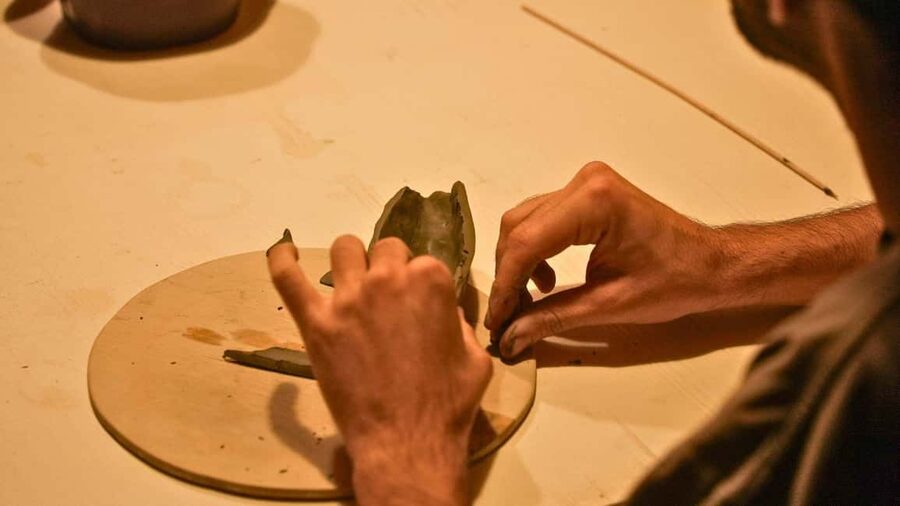
Here’s the key part to understand before you go: your bowl needs time to dry so it can be cooked later. That means the workshop experience has a built-in “later” component. It’s not a grab-it-and-go pottery class.
You’ll have three options:





Option 1: Take your bowl now (raw and fragile)
If you don’t mind handling something still in the raw stage, you can take it with you and finish it by baking it wherever you want. The workshop note is clear: it will be fresh and fragile, and you can only take it if it’s still raw.
Option 2: Join the bowl exchange (and go home with someone else’s bowl)
If you don’t have time, your creation enters into a special exchange. Each participant makes a bowl, leaves it for the next person, and you’ll receive the bowl of the person who came before you. So you might end up taking home a bowl that you didn’t make yourself, but it’s still your time in the story.
This is a clever idea for two reasons. First, it solves the drying and cooking timing problem for everyone. Second, it keeps the experience social in a way that souvenir shops never do. You get a small artifact that reflects the shared workshop session.
Option 3: Receive the cooked bowl at home (on request)
If you prefer the finished, cooked bowl, you can request delivery to your home. The workshop indicates it may take a few weeks. Shipping charges aren’t included, so you should plan for that extra cost if you choose delivery.
Also note: if you care about consistency in thickness and drying, you might feel more comfortable letting the provider cook it after proper drying. That’s one reason Option 3 can be a good fit.
Price and value: is $81 for two hours fair?
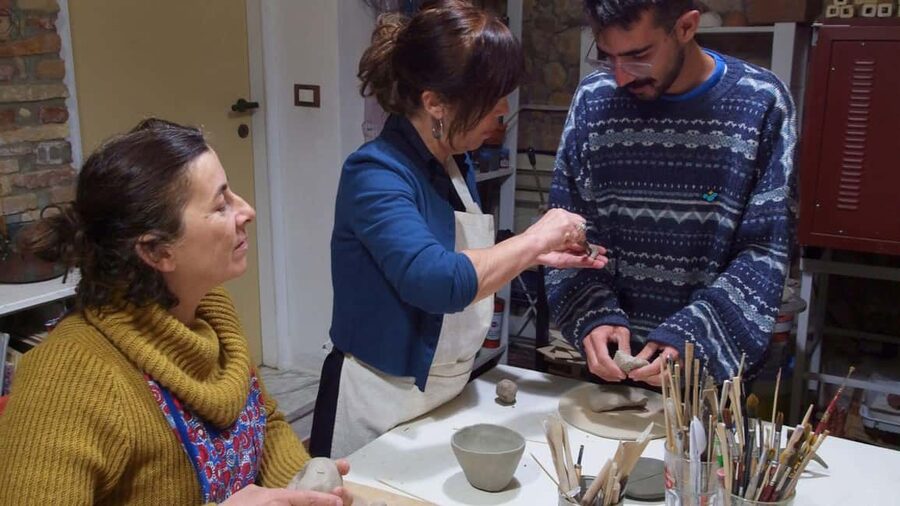
At $81 per person for a 2-hour workshop, you’re paying for more than basic instruction. You’re paying for the materials and tools, the teacher’s guidance, and the included food and drink portion.
What makes it feel like good value is the small group size (max 5). In larger classes, you might spend most of the time waiting your turn. Here, the structure supports individual help, especially while you’re shaping the bowl.
You’re also getting a real break with homemade herbal teas and infusions plus Sardinian sweets. Those are simple add-ons on paper, but they change the feel of the experience. It turns it into an evening-out style activity rather than a short studio task.
The one “hidden” cost risk is only if you choose shipping for a cooked bowl. Shipping charges aren’t included, and the price you see at booking won’t cover that. If you plan to take the raw bowl or use the exchange, you can keep costs closer to the stated amount.
Getting there and what to bring so you stay comfortable
The meeting point is at the entrance of the house that faces directly onto the street. Parking is available in two ways: you can park for free in Viale Buon Cammino, or use paid parking in Via Cammino Nuovo.
Because it’s a Castello-area location, you should expect that streets may be a bit tight for parking convenience. If you’re carrying the workshop bowl later, keep your walking in mind.
Bring:
- Comfortable clothes you can get dirty
- A change of clothes
- Water
- Anything else that makes you feel calm and prepared in a small studio setting
This matters because clay work gets messy. Even when you do everything carefully, your sleeves and hands can pick up residue. Also, the workshop lasts two hours, so water is a simple smart move.
Who this workshop suits best (and who might not love it)
This is a great fit if you want a hands-on activity that feels local, not “tourist craft.” You’ll likely enjoy it most if:
- you like small group settings
- you want a creative output you can hold
- you care about food and drink being part of the activity, not an afterthought
- you’re curious about Sardinian ceramic traditions through practical technique
It’s also family-friendly in spirit, but the note is specific: it’s not suitable for children under 6. And it’s not suitable for people with mobility impairments, so if that’s relevant for you or your travel partner, you’ll want to plan differently.
Languages are Italian and English, so if you want instruction in one of those, you can choose based on what you feel most comfortable with.
A quick reality check before you book
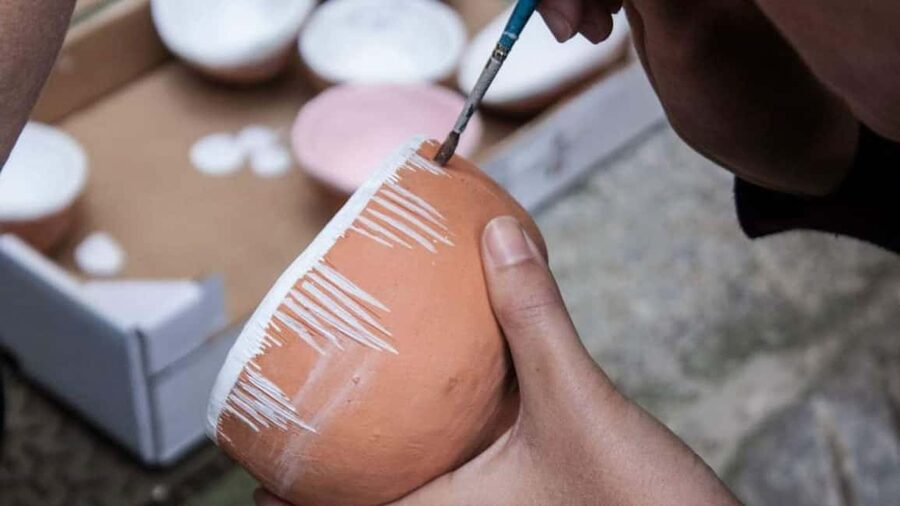
This workshop isn’t “paint a plate and leave.” It’s a real clay session with a drying timeline afterwards. If you hate the idea of managing a raw fragile item, pick the bowl exchange option or plan for cooked delivery.
If you do like hands-on making, you’ll probably love the calm pace. The reviews speak loudly about the warmth of the host and the feeling of being welcomed, and that fits what the format suggests: small group, guided shaping, tea, and a clear community link through the bowl exchange.
The other real advantage is timing. Two hours is enough time to learn, make, and enjoy the tea break without turning it into a half-day commitment.
Should you book Cagliari: Ceramics Workshop?
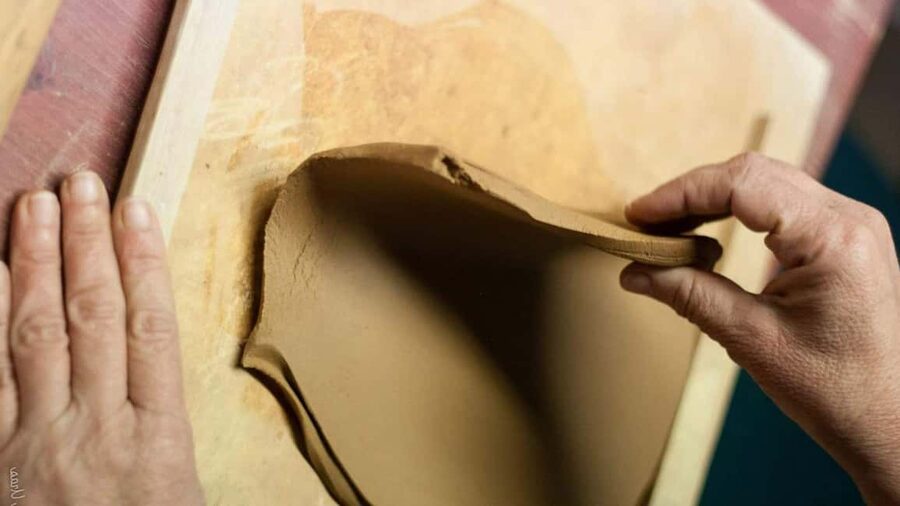
If you’re in Cagliari and you want one activity that mixes hands-on craft, Sardinian flavors, and a small-group vibe, I’d book this. It’s a strong value for the money because you’re getting both instruction and included tea and sweets, and the group size makes you feel supported.
I would hesitate only if you’re unwilling to think about the bowl after the workshop—drying, cooking, raw take-home fragility, or delivery timing. If you can live with that, this is the kind of experience that feels personal long after you leave the studio.
FAQ
How long is the ceramics workshop in Cagliari?
The workshop lasts 2 hours.
What does the workshop cost?
It costs $81 per person.
What’s included in the price?
The price includes the ceramics workshop, materials and tools, homemade herbal teas and infusions, and a selection of typical Sardinian sweets. Shipping charges are not included.
Do I take my bowl home the same day?
You can take it only if it’s still raw. Your bowl has to dry to be cooked, so if you’re not taking it raw, you’ll follow the exchange or delivery options.
What is the bowl exchange?
If you do not have time to take care of the bowl right after, your bowl enters a special exchange. Each participant makes a bowl, leaves it for the next, and you receive the bowl left by the person who came before you.
Can the cooked bowl be delivered to my home?
Yes, on request the cooked bowl can be sent to your home, and it may take a few weeks. Shipping charges may apply.
What language is the workshop taught in?
The instructor teaches in Italian and English.
What should I bring and wear?
Bring a change of clothes and water, wear comfortable clothes, and wear clothes that can get dirty.
Hands On in Cagliari

More Tour Reviews in Cagliari



New in from around Cagliari






Workshops, compared.
 ★ 5.0Culurgiones Cooking Class CagliariFrom $96321 reviews
 ★ 4.9Alghero: Sardinian Home-Cooking Class and MealFrom $123138 reviews
 ★ 5.0Alghero Home Cooking Pasta Class at a Farmhouse with WineFrom $131130 reviews
 ★ 4.5Olbia: Traditional Pasta-Making Guided WorkshopFrom $11473 reviews
 ★ 5.0LONGEVITY TOUR: Pasta Class&BlueZone Secrets with Simonetta BazzuFrom $18169 reviews
 ★ 5.0Cagliari: Sardinian Cooking Class with Meal and DrinksFrom $10556 reviews
 ★ 4.5Cooking Class in a Secret Courtyard – Culurgiones (Sardinian Pasta)From $7255 reviews
 ★ 5.0Sardinia Cooking Class: Fresh Handmade PastaFrom $9253 reviews
Browse the lists this tour appears in