
Reviewed · LUNCH EXPERIENCES
Traditional Sardinian Lunch and Cooking Class In Cagliari
Pasta night in Cagliari beats a museum day. This 3-hour class is a hands-on meal with Damiano in his own kitchen, where you learn classic Sardinian pasta and actually sit down to eat it right after. I love the small group size (max 6), because it stays relaxed and you get real attention while you’re learning. I also like the personal touch: Damiano inherited his skills from his grandmother, so you’re not just copying steps, you’re picking up tradition.
One thing to consider: this is a cooking-and-lunch experience, not a sightseeing tour. If you’re hoping for lots of moving around town or major landmarks, plan your day so you’re happy spending a few focused hours at the table and worktop.
In This Review
- Key things to know before you go
- Why this Sardinian pasta class feels like a true local meal
- Getting set up in Damiano’s home kitchen
- The appetizer start: cheese, sausage, and artichokes
- Making pasta from scratch: technique you can reuse later
- Culurgiones with sev: the stuffed pasta skill that anchors the class
- Lunch at the end: eating what you made (and actually enjoying it)
- How the class timing and group size affect your comfort
- Price and value: is $106 per person worth it?
- Who this Sardinian lunch class is best for
- Final call: should you book this class?
- FAQ
- How long is the Traditional Sardinian Lunch and Cooking Class in Cagliari?
- Where does the class take place?
- What dishes will I learn to make?
- What appetizer is included before the pasta?
- Is the class suitable for beginners?
- How many people are in the group?
- What languages are available during the class?
- Do I need to tell them about allergies or dietary restrictions?
- What is the cancellation and payment flexibility?
Key things to know before you go
- Max 6 people means questions don’t get lost, and the pace stays friendly
- Damiano’s family technique brings a real sense of how Sardinian recipes are passed on
- Stuffed Culurgiones with sev is the signature skill you’ll aim for
- Appetizers first: cheese, sausage, and artichokes set the tone
- 3 hours of hands-on food ends with a sit-down lunch you helped make
Learn to cook it yourself: more Cagliari classes
- Cagliari: Sardinian Cooking Class with Meal and Drinks★ 5.0 · 56 reviews
- Sardinia Cooking Class: Fresh Handmade Pasta★ 5.0 · 53 reviews
- Homemade fresh pasta cooking class★ 5.0 · 34 reviews
- Traditional Sardinian Lunch and Cooking Class In Cagliari★ 5.0 · 21 reviews
Why this Sardinian pasta class feels like a true local meal
Cagliari is a great base for Sardinia, but it’s easy to spend a whole trip only eating from menus. This experience flips that. You’re not just a diner. You’re a participant in Sardinian cooking, learning techniques and then enjoying the results without the awkward feeling of rushing out right after dessert.
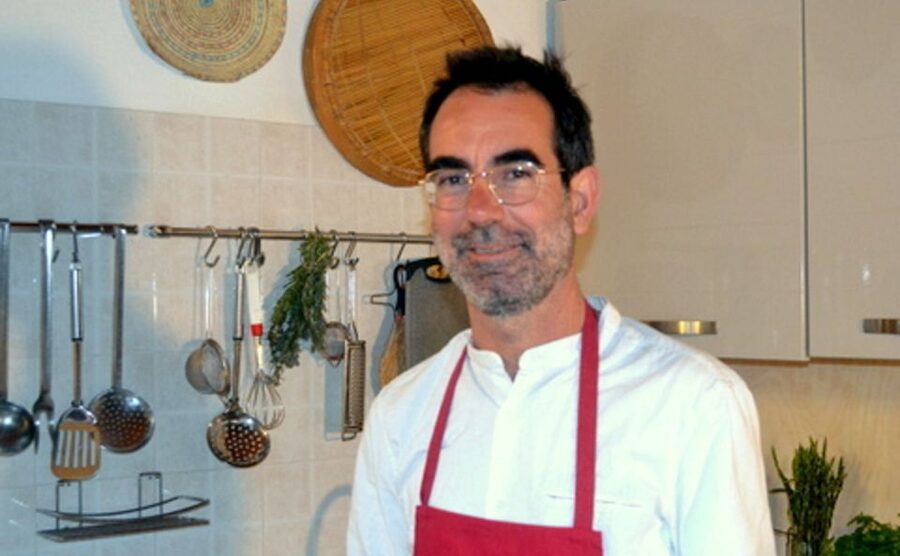
The biggest value is that you’re learning from someone who clearly treats cooking as family knowledge. Damiano inherited his skills from his grandmother, and that shows in the way the class is taught. It’s the kind of learning where you get the why behind the steps, not only the how. And since the class is small, you’re more likely to get corrections and tips that actually help you.
Also, the format is built around comfort. You start with traditional appetizers and then move into the pasta. That matters because it keeps hunger in check while you’re working. Instead of arriving hungry, leaving hungry, or eating only at the end, you get a steady food flow that makes the whole afternoon more enjoyable.
Getting set up in Damiano’s home kitchen
This class takes place in the chef’s home, which is part of what makes it feel personal. It’s not a big studio classroom. That home-kitchen setting can be a plus because it feels like you’ve been invited in, not lined up in a tourist line.
The group stays limited to 6 participants, and the host or greeter speaks English and Italian, so you’re not stuck trying to decode instructions with zero support. For me, that language flexibility is a practical advantage—especially when you’re learning hands-on steps. Cooking instruction works best when you can understand the small details quickly.
One more thing I appreciate: the class is described as easy-to-follow for all levels. That doesn’t mean you’ll never lift a finger, but it does suggest the approach is designed so beginners aren’t left behind and more confident cooks still get useful coaching.
If you’re someone who likes quiet, private learning, keep this in mind: small group cooking still involves conversation. You’ll be working close to others while sharing the same table. In return, you get a warmer vibe and better chances to ask questions without waiting your turn forever.
The appetizer start: cheese, sausage, and artichokes
Most cooking classes jump straight to pasta. This one begins with traditional Italian appetizers, including cheese, sausage, and artichokes. It’s a smart start for two reasons.
First, it gives you a clearer sense of the flavor direction. Sardinian cooking can feel earthy and hearty, and these starters nudge you toward that mindset before you start rolling dough or shaping fillings. Second, it keeps the rhythm from turning stressful. You get good food while you’re still learning, which makes the whole afternoon feel like an actual meal day.
If you have food restrictions, this is where you should pay extra attention. Since sausage and cheese are included at the appetizer stage, you’ll want to communicate any allergy or special diet needs in advance so the host can guide you toward what’s possible.
Making pasta from scratch: technique you can reuse later

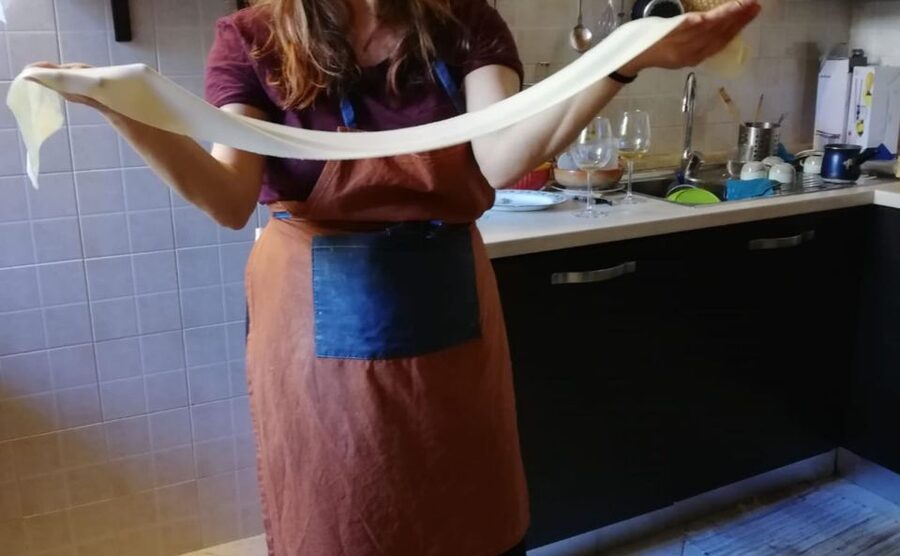
The core of the experience is making classic Sardinian pasta dishes from scratch, guided step by step by Damiano. You’ll learn traditional recipes and pick up cooking skills that go beyond just finishing one plate.
What I like about this approach is that it’s not only about taste at the end—it’s about skill building. A pasta class can sometimes feel like a quick demo where you barely do anything. Here, you’re expected to participate in the process, so you leave with more confidence than you started with.
You also learn techniques passed down through generations. That’s more than a marketing line. In practice, family-taught cooking tends to emphasize texture and consistency: how dough should feel, how fillings should be packed, and what “done” looks like. Even if you don’t recreate the exact same dish back home, that kind of food sense travels with you.
The class timing is also important. With a 3-hour duration, the pacing is tight enough to keep momentum, but it’s long enough to avoid the rushed feeling that can turn cooking lessons frustrating. You’ll have time to learn, cook, and eat without constantly glancing at a clock.
One or two more Cagliari outings we rate
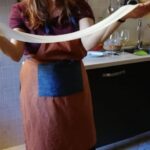
Culurgiones with sev: the stuffed pasta skill that anchors the class
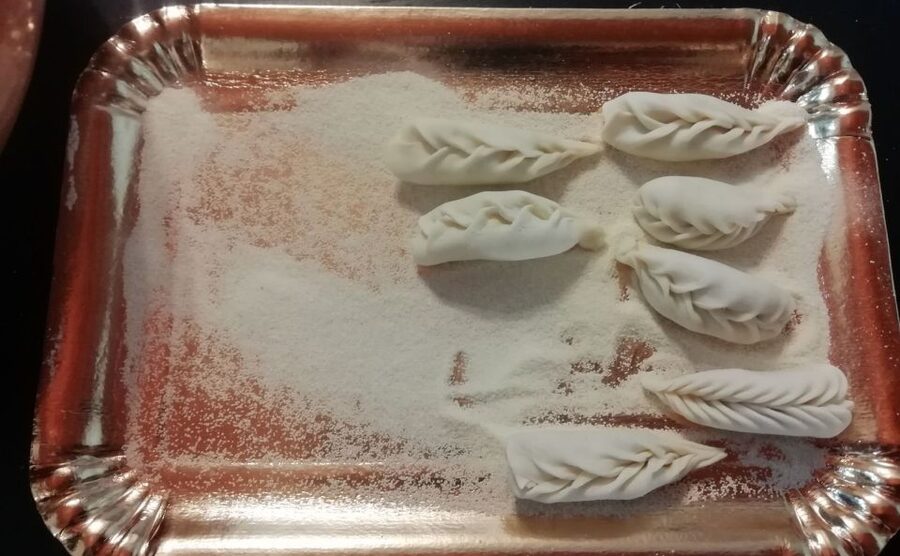
The headline dish is stuffed Culurgiones with sev. If you want one clear takeaway from Sardinia, this is it. Culurgiones are the kind of pasta that feels special even before you try them, because the shaping and filling are the whole point.
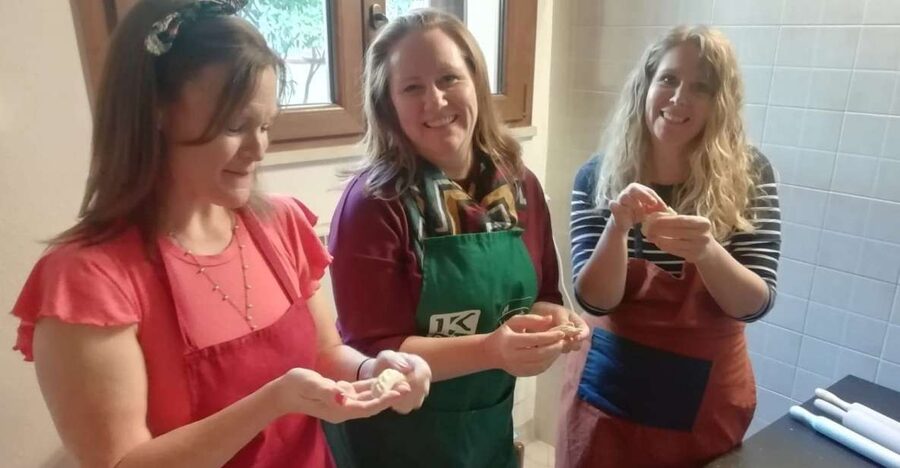
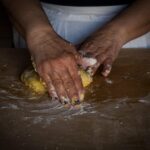
In this class, you’ll learn how to make them and how the dish comes together from start to finish. That means you’re not only tasting culurgiones—you’re understanding the process. The stuffing style matters, and so does the way the pasta is formed to hold it. You’ll work toward the classic result, with Damiano guiding you as you go.
Why I think this is the best part for most people: stuffed pasta is where you learn the most hands-on technique. Plain pasta dough is forgiving. Stuffed pasta forces you to pay attention—because the filling needs to be sealed well and the shape needs to hold. That’s where a teacher who knows the tradition really adds value.
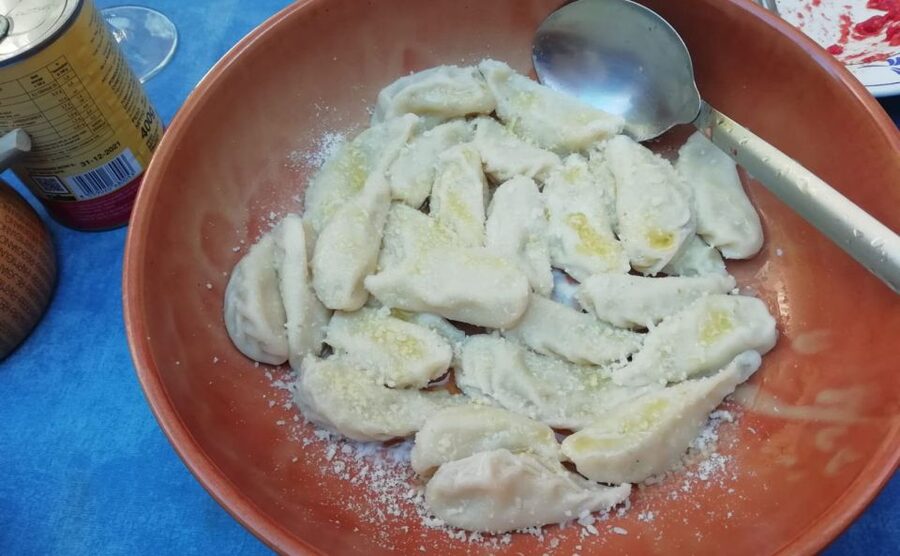
And yes, you’ll also get to taste what you made. There’s something genuinely satisfying about eating food that came from your hands—especially when it’s a Sardinian specialty like culurgiones. It turns the class from a skill exercise into an actual meal experience.
Lunch at the end: eating what you made (and actually enjoying it)
After the cooking work, you sit down to lunch and enjoy the dishes you helped create. This is a key part of the design: you don’t spend the afternoon in a lesson and then get a random plate later. The meal is part of the process.
Since the appetizers come first and the pasta follows, the lunch portion feels like the centerpiece rather than the consolation prize. It’s the payoff stage, when the flavors click and everything you practiced makes sense. For me, that’s when a cooking class becomes memorable: not when you finish a task, but when you taste the result and realize you can do it again.
There’s also a social benefit. With a small group, the lunch table is comfortable and friendly. You’ll likely share observations and learnings naturally as you eat, which makes the experience feel less like a classroom and more like a shared afternoon.
How the class timing and group size affect your comfort
This is a 3-hour experience, designed for small groups of up to 6. That combination is a big deal.
Short enough that you can fit it into a day in Cagliari without rearranging your whole schedule. Long enough that you can learn more than one step and still enjoy lunch without feeling rushed out the door. And because the group is small, you get support when you need it—especially for a technique-heavy dish like stuffed culurgiones.
The host also offers instruction in English and Italian. If you’re traveling with someone who speaks a different language, this bilingual support can reduce friction. It also makes it easier to ask questions mid-process rather than waiting until the end.
If you’re the kind of person who gets overwhelmed in group settings, this size should feel manageable. It’s not a crowd. It’s a working kitchen table.
Price and value: is $106 per person worth it?
At $106 per person for a 3-hour class, you’re paying for three things: instruction, ingredients, and a sit-down lunch that matches what you cooked.
It’s not just the meal. It’s the coaching. Many food experiences in tourist areas give you a tasting but limit hands-on learning. This one is built around making and then eating. If you care about learning a dish properly, that makes the price easier to justify.
You’re also getting a family-style host experience rather than a scripted, generic lesson. Damiano’s background—skills passed down from his grandmother—helps explain why the class feels grounded in tradition instead of turning into a one-size-fits-all show.
So for value, I’d frame it this way: you’re buying a guided afternoon and leaving with a real cooking skill, not only full plates. If you enjoy cooking and you like authentic food, the price is in the fair-to-good range for what’s included.
Who this Sardinian lunch class is best for
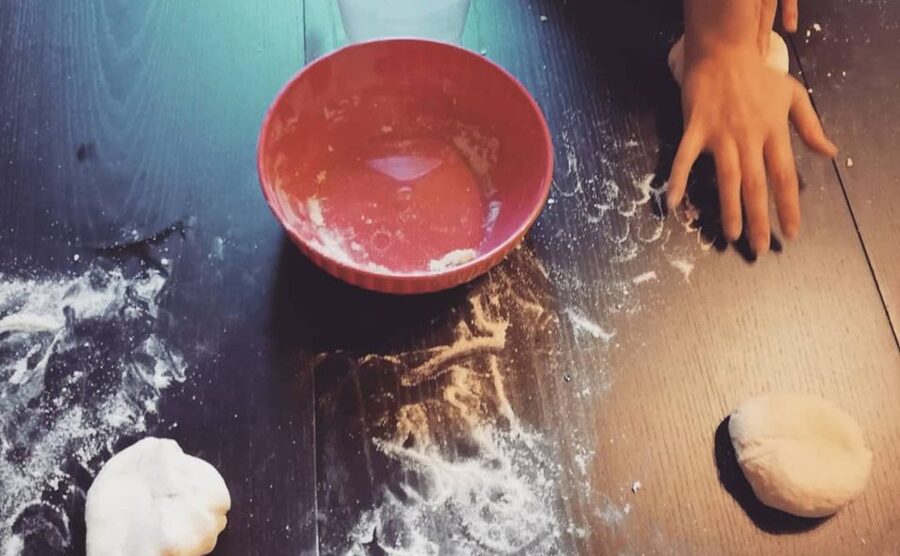
This is a smart choice if you:
- Want to learn one of Sardinia’s most recognizable stuffed pastas, culurgiones
- Prefer small group experiences over big, impersonal groups
- Enjoy hands-on food days more than museum days
- Like your travel experiences to include the meal, not just the tasting
It’s also a good match for first-time cooks, since the class is described as easy-to-follow for all levels. If you’re more advanced, you’ll still benefit from technique cues and texture checks, especially for stuffed pasta shaping and filling.
If you have a sensitive diet or allergies, treat this as a “communicate early” type of experience. Since the class includes appetizers with cheese and sausage, you’ll want to clearly explain your needs before arrival so the host can advise what will work.
Final call: should you book this class?
I’d book it if your idea of a great Cagliari afternoon is hands-on cooking, good traditional food, and learning from a local who cooks the way families pass recipes down. The small group size, bilingual support, and focus on a signature dish like culurgiones make it feel worth your time.
Skip it if you mainly want sightseeing or you dislike kitchen-based activities. Also, if you have restrictions that affect dairy or meat, double-check what’s possible after you message your needs, because the class includes specific traditional items.
If you want a Sardinia experience that ends with you smiling over a plate you helped make, this one is an easy yes.
FAQ
How long is the Traditional Sardinian Lunch and Cooking Class in Cagliari?
It lasts 3 hours.
Where does the class take place?
It takes place in Cagliari, Sardinia, Italy. The full address is provided in the confirmation voucher.
What dishes will I learn to make?
You’ll make classic Sardinian pasta dishes, including stuffed Culurgiones with sev.
What appetizer is included before the pasta?
Traditional Italian appetizers are included, including cheese, sausage and artichokes.
Is the class suitable for beginners?
Yes. It’s described as an easy-to-follow cooking class for all levels.
How many people are in the group?
The group is limited to 6 participants.
What languages are available during the class?
The host or greeter speaks English and Italian.
Do I need to tell them about allergies or dietary restrictions?
Yes. You need to communicate any food restrictions (allergies, special diet, etc.).
What is the cancellation and payment flexibility?
You can cancel up to 24 hours in advance for a full refund, and you can reserve now and pay later (book without paying today).
More Lunch Experiences in Cagliari
Cook It Yourself: Cagliari Classes

More Tour Reviews in Cagliari
New in from around Cagliari


Lunch Experiences, compared.
 ★ 4.9From Palau: La Maddalena Archipelago Catamaran Tour w/ LunchFrom $1841,162 reviews
 ★ 4.9From Palau: Maddalena Archipelago Catamaran Tour with LunchFrom $135407 reviews
 ★ 5.0Sailing day trip on Tall Ship Andrea Jensen with Lunch and WineFrom $169360 reviews
 ★ 4.0Palau: La Maddalena Archipelago Cruise with Lunch and DrinksFrom $90151 reviews
 ★ 5.0Catamaran tour Archipelago Maddalena (lunch included)From $120145 reviews
 ★ 4.8From San Paolo: Tavolara and Molara Island Cruise with LunchFrom $147131 reviews
 ★ 4.9From Stintino: sailing trip to Asinara with LunchFrom $10794 reviews
 ★ 5.0Boat trip to Asinara with lunch in StintinoFrom $14285 reviews
Browse the lists this tour appears in