
Reviewed · CAGLIARI OLD TOWN & CASTELLO WALKS
Cagliari: walking tour through the alleys of Castello
Castello is Cagliari’s history you can walk through. In just 2 hours, this guided stroll threads through the city’s most important old district—towers, bastions, palaces, and that feeling of a fortress rising straight out of the past. You’ll also catch wide views over the port and the sea, then finish with a visit to the Cathedral of Saint Mary and its crypt.
I love how the tour is built around people, power, faith, and defense—Castello wasn’t just where rich families lived. You get a guided explanation that connects centuries of social, political, cultural, military, and religious life to what you’re looking at right now. I also like the way the route uses small, atmospheric alleys first, then pays you back with panoramic viewpoints over the harbor.
One thing to keep in mind: if your chosen language gets paired with another language, you may hear parts repeated, which can make the walk feel stop-start and run longer than you expected.
In This Review
- Key highlights to look for
- Castello’s alleys: the shortcut to Cagliari’s most important district
- From Cagliari 1920 to the start line of history
- Walking the hill: palaces, towers, and bastions you can read
- The Cathedral of Saint Mary and its crypt beneath it
- Panoramic viewpoints over the harbor and sea
- The guides make or break it: Claudia, Sabina, Renato, Elisabeth
- Price and value: is $33 worth a 2-hour Castello walk?
- Who should book this Castello alleys tour (and who shouldn’t)
- Should you book it?
- FAQ
- Where is the meeting point?
- How long is the walking tour?
- How much does it cost?
- What’s included in the price?
- What language is the tour offered in?
- Can the tour happen in two languages?
- What will I see in Castello?
- Is the crypt included?
- Is this tour good for a short visit to Cagliari?
- Is it suitable for people with mobility impairments?
Key highlights to look for
- Castello’s XIII-century roots and the story of why this hill mattered for every kind of power in Cagliari
- Narrow alley atmosphere, where the city feels compact and real instead of staged
- Cathedral of Saint Mary + the crypt of the Saints and Martyrs, a deeper stop than most quick walks
- Views over the port and sea, timed naturally as the route climbs to viewpoints
- Guides who work the room, with time for questions and practical local recommendations
- Great for short stays, especially if you want a first feel for the city without a full-day commitment
Deeper into Cagliari, on foot
- Cagliari: Walking Tour of the Old City★ 4.8 · 560 reviews
- Cagliari Vintage Tour★ 5.0 · 185 reviews
- Cagliari: Molentargius Natural Park Segway Tour with Coffee★ 4.7 · 114 reviews
- Cagliari: walking tour through the alleys of Castello★ 4.9 · 74 reviews
Castello’s alleys: the shortcut to Cagliari’s most important district
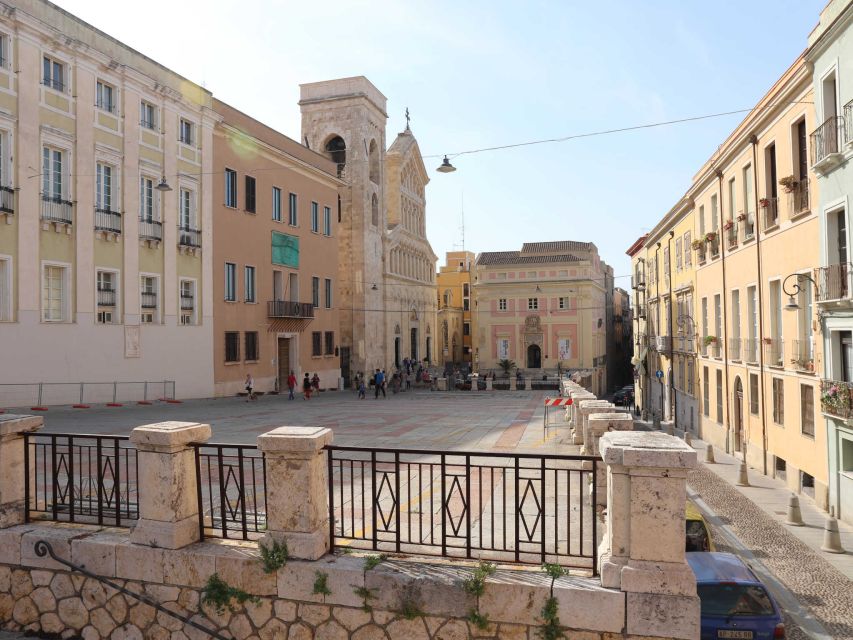
If you only have a couple of hours in Cagliari, Castello is the best place to focus your energy. This is the historic center that shaped daily life and big decisions—social routines, political control, cultural life, military strategy, and religious authority. The district’s origin is tied to the XIII century, and the layout still reflects that old purpose: steep streets, defensive thinking, and tight spaces built for a hilltop stronghold.
What I like about tours like this is that they don’t treat Castello as one museum stop. Instead, they connect “what you see” with “what it meant.” You’re walking through a place where aristocratic palaces sit close to the structures that helped control the city, and where the religious center isn’t an isolated building—it’s part of the same hillside story.
From Cagliari 1920 to the start line of history
You meet your licensed guide in front of the bar/shop called Cagliari 1920, the official Cagliari football team store. It’s a helpful landmark, and it also sets the tone: you’re starting in a normal, everyday street scene, not a remote meeting point.
The tour lasts about 2 hours, which matters. With a short time window, you want an experience that prioritizes the big emotional hits: the feeling of the old fort district, the key monuments, and a couple of viewpoints. This walk is designed for that. It’s also ideal if you’re arriving in Cagliari for the day (for example, from a cruise) and want to get grounded fast—Castello gives you the historical backbone you can build on later.
You should also expect uneven ground. Castello’s lanes are narrow and walking-focused, and the activity is not suitable for people with mobility impairments. If you need smooth sidewalks, you’ll likely find parts of the route tiring.
Walking the hill: palaces, towers, and bastions you can read
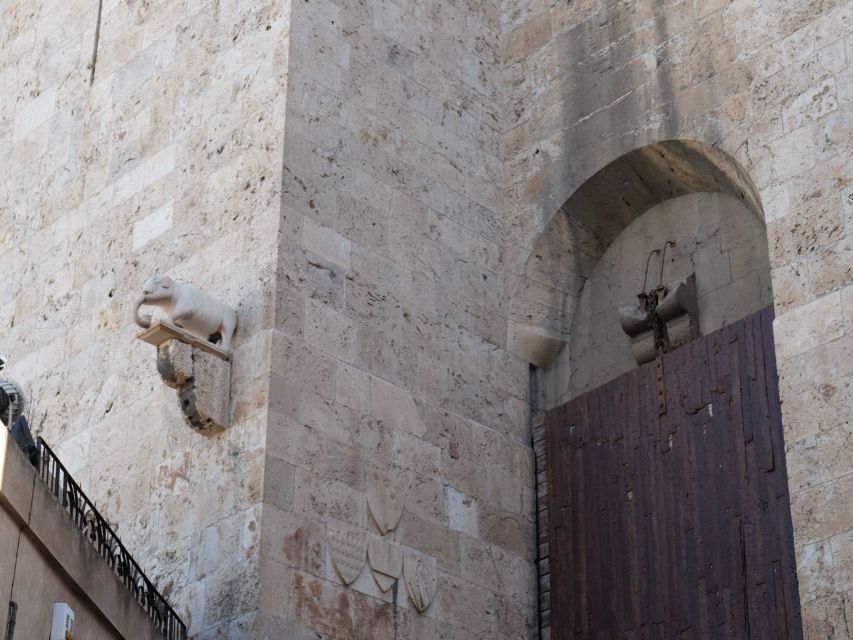
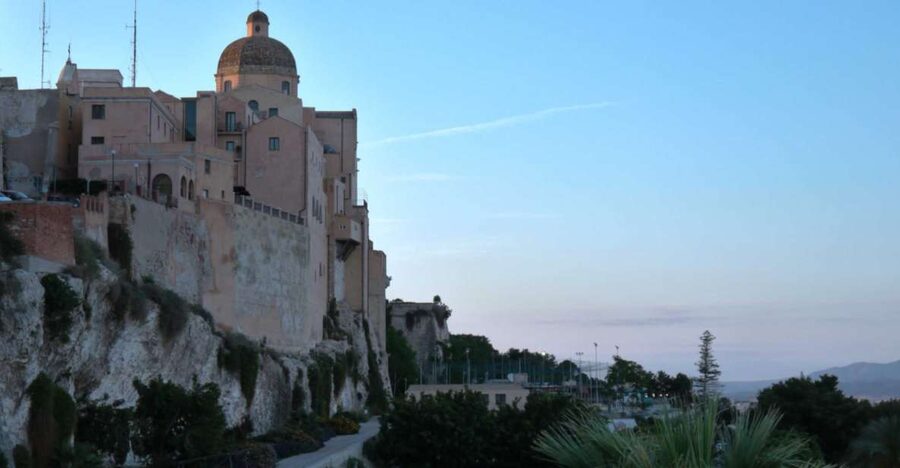
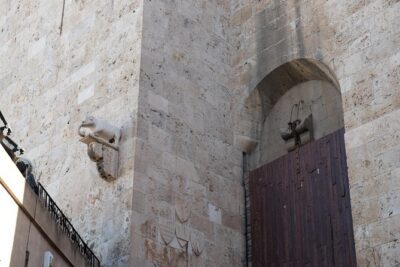
As you move through Castello, you’ll see the kinds of structures that tell you who held power and how that power worked. The walk includes aristocratic palaces, plus towers and bastions that point to a fortress mindset. Even if you’re not a “history person,” these features help you understand the city’s shape: the hill was strategic, and the architecture reflects that.
Here’s what makes this segment work for real travelers: the route is slow enough to notice details, but not so slow that you lose the plot. Your guide points out curiosities and oddities related to the district’s layered population over time. In other words, you’re not just getting dates—you’re getting reasons. Why is this area arranged this way? Who would have lived here? What did these structures protect?
And because this is a sea-side city, the fortress story has an extra angle. Castello is often described as a stronghold by the sea, and you’ll feel that in the way the viewpoints open up as you climb and turn.
The Cathedral of Saint Mary and its crypt beneath it
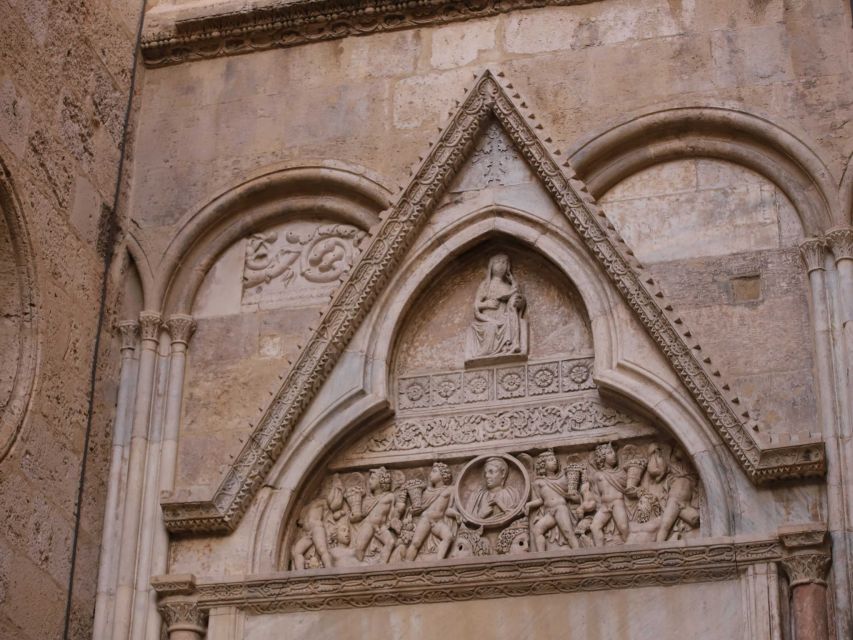
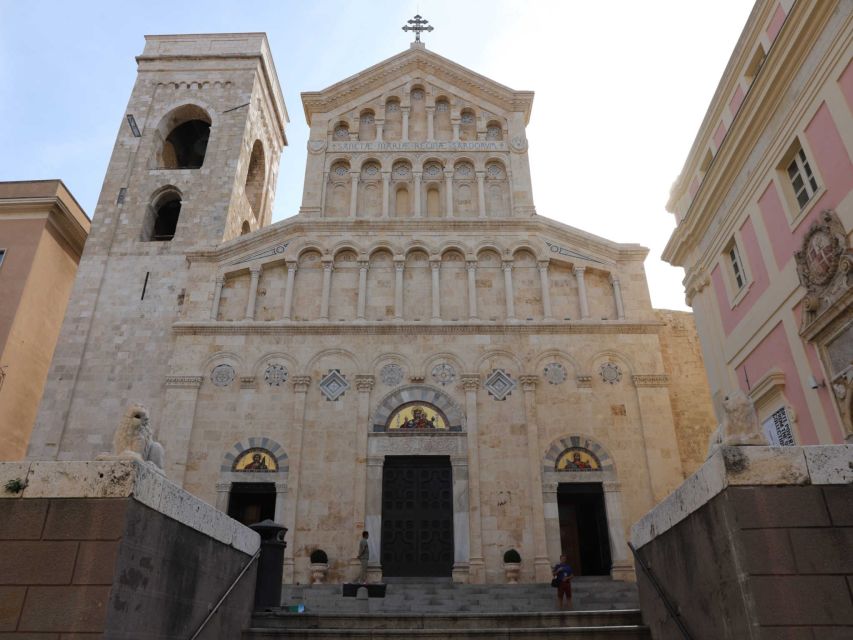
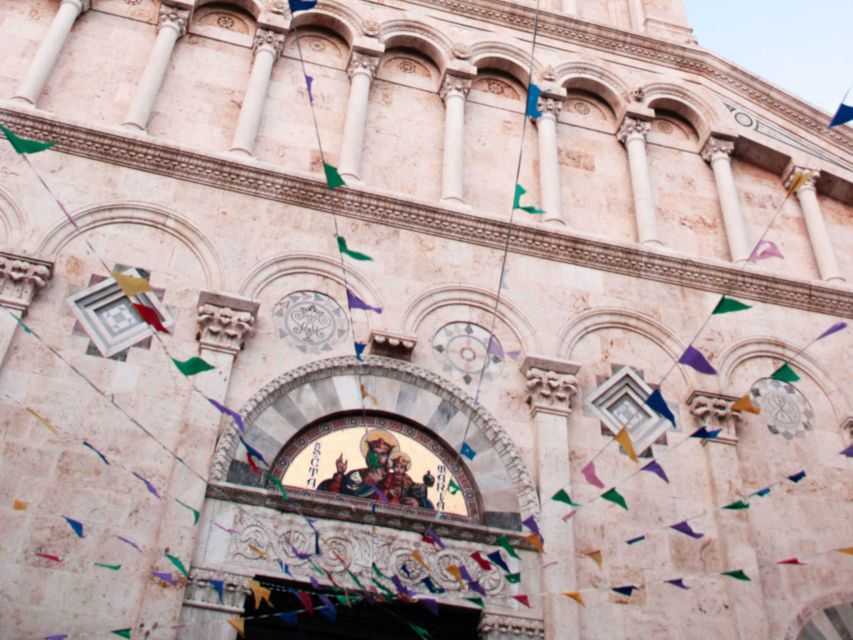
A highlight of this walk is the visit to the Cathedral of Saint Mary, including a stop at its well-hidden gem: the crypt of the Saints and Martyrs. That crypt visit changes the tone of the tour in a good way. You go from outdoor fortress geometry—towers, bastions, walls—to a quieter space where the religious dimension takes over.
What to pay attention to here is contrast. Castello’s open-air streets emphasize public life: defense, politics, social status, and movement through narrow lanes. Then the cathedral and crypt shift you into the spiritual side of that same story. It’s a nice reminder that for centuries, the center of a city wasn’t only about kings and soldiers—it was also about faith and ritual.
Even if your knowledge of Sardinian history is basic, you’ll get guided context to connect this stop back to the district as a whole. It’s also a strong payoff for the time commitment: many short walks skim monuments, but this one goes one layer deeper.
Prefer to see Cagliari at walking pace? A few more





Panoramic viewpoints over the harbor and sea
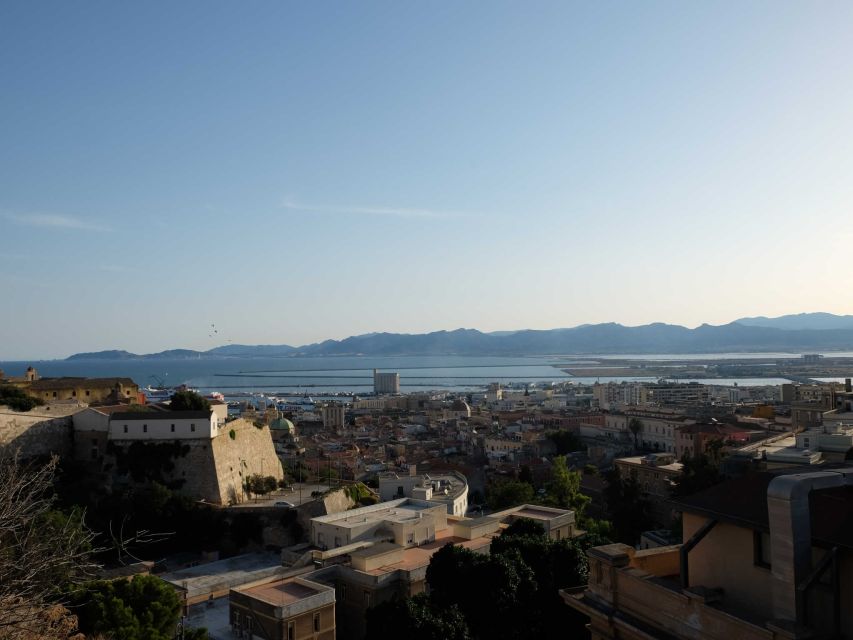
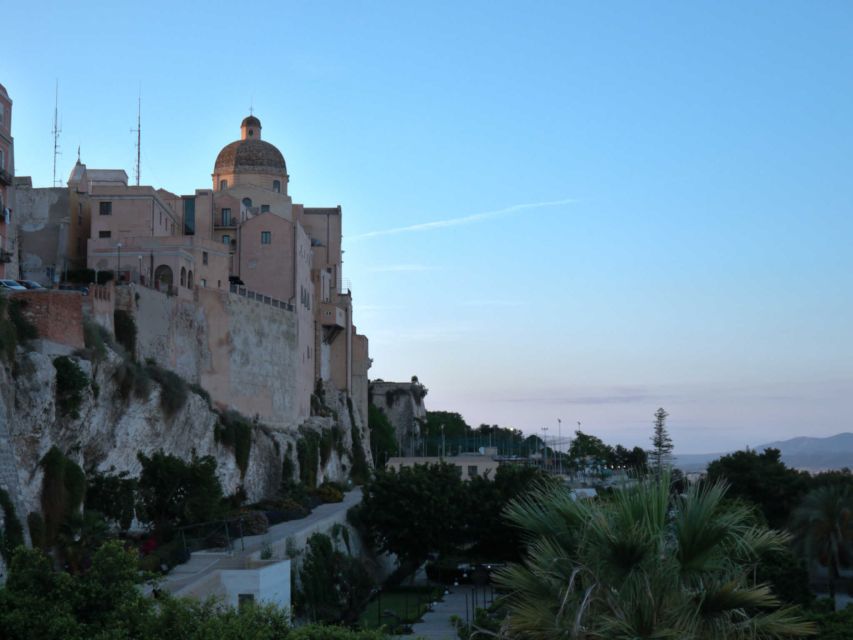
Castello is famous for views, and this tour uses panoramic viewpoints as part of the pacing rather than as a random photo stop. As the route moves, you’ll get shifting angles on the city and the sea—plus a clear read on the port area below.
These views do two jobs at once. First, they help you orient yourself in Cagliari. When you can see how the hill connects to the harbor, the whole “fortress by the sea” idea clicks. Second, they give you a breather. A 2-hour walking tour can get intense in any old town; viewpoints break it up with open air and a sense of scale.
I’d also suggest you bring your phone battery (and a light jacket if you run cold). Sea air can change how you feel fast, and you’ll want to linger for a minute or two at the best overlooks.
The guides make or break it: Claudia, Sabina, Renato, Elisabeth
This is one of those tours where the guide’s style really matters because Castello’s story has layers. The good news: the tour draws guides who know how to bring the district to life and invite questions.
In the guide lineup you might encounter Claudia, who delivered an especially smooth experience in Spanish and gave advice and recommendations beyond the walk itself. You might also meet Sabina, praised for being pleasant and proud of her city, with explanations that stick because they feel personal and clear. Renato is another name associated with an interactive style—meaning you’re not just listening, you’re participating. And Elisabeth is noted for adjusting the experience to the group, including adapting to a public with two teens, which tells me she pays attention to who’s walking with her.
What this means for you: you’ll get more than a list of buildings. You’ll get an explanation of why Castello looked the way it did as different groups dominated the island over time—and how those shifts shaped everyday life. If you like to ask questions, this kind of tour is built for that.
Price and value: is $33 worth a 2-hour Castello walk?
At $33 per person for a 2-hour guided experience, the value mostly comes down to one thing: you’re buying interpretation. You could walk Castello on your own, sure. But a licensed guide helps you connect the dots between monuments, street layout, and centuries of political and religious life.
You’re also getting a visit to the Cathedral of Saint Mary and the crypt of the Saints and Martyrs. That kind of deeper stop is hard to reproduce solo quickly without knowing where to look or what to focus on.
The tour also offers private group availability, which can be a smart move if you’re traveling as a family or want a more tailored pace. If you’re traveling with someone who asks lots of questions, private can turn the walk into a smoother back-and-forth.
And with a strong overall rating—4.9 out of 5 from 74 reviews—the demand for this experience isn’t random. It suggests people consistently feel they got real value for their time.
Who should book this Castello alleys tour (and who shouldn’t)
This walk is especially well suited for you if:
- You’re in Cagliari for only a few hours and want a first impression that actually explains the city
- You enjoy guided history tied to what you’re seeing right now (palaces, towers, bastions, cathedral, crypt)
- You want sea and port views without needing to plan separate stops
- You like asking questions and getting local recommendations from your guide
It’s less suitable if:
- You have mobility limitations. The route includes narrow alleys and is not suitable for people with mobility impairments.
- You’re very sensitive to time changes. If the tour runs in two languages, the need to repeat parts can slow the pace and stretch the feel of the 2 hours.
If you’re the kind of person who prefers long, slow museum hours, you may feel this is “just the essentials.” But if you want the best parts of Castello with guidance, it’s a strong match.
Should you book it?
Yes, I’d book this if you want a compact, high-impact introduction to Cagliari’s old soul. The combination of Castello’s fortress district feel, the cathedral-with-crypt stop, and the port-and-sea viewpoints makes the 2-hour format work. You also get a licensed guide and multiple language options, so you can choose comfort from the start.
I’d only hesitate if you know you’ll be frustrated by repetition due to bilingual delivery or if mobility is a concern. Otherwise, it’s one of the most practical ways to turn a short layover or first day into something you can actually remember.
FAQ
Where is the meeting point?
Your guide waits in front of the bar/shop called Cagliari 1920, the official Cagliari football team store.
How long is the walking tour?
The tour lasts 2 hours.
How much does it cost?
It costs $33 per person.
What’s included in the price?
A licensed tour guide is included.
What language is the tour offered in?
The tour is offered in Italian, English, Spanish, and French.
Can the tour happen in two languages?
Yes. The tour will be in the language you choose, but it may occasionally be done in two languages.
What will I see in Castello?
You’ll explore the Castello historical district, including aristocratic palaces, towers and bastions, and the Cathedral of Saint Mary.
Is the crypt included?
Yes. You’ll visit the crypt of the Saints and Martyrs inside the Cathedral of Saint Mary.
Is this tour good for a short visit to Cagliari?
Yes. It’s described as ideal if you only have a few hours and want a first impression of the main attractions.
Is it suitable for people with mobility impairments?
No. It is not suitable for people with mobility impairments.
More Tours in Cagliari





More Tour Reviews in Cagliari
Cagliari on Foot, Keep Going




New in from around Cagliari



Cagliari Old Town & Castello Walks, compared.
 ★ 4.7Cagliari: Underground Cagliari Walking TourFrom $352,329 reviews
 ★ 4.8Cagliari: Walking Tour of the Old CityFrom $25560 reviews
 ★ 4.5Underground Cagliari tourFrom $36351 reviews
 ★ 5.0Cagliari Segway TourFrom $83199 reviews
 ★ 5.0Cagliari Vintage TourFrom $84185 reviews
 ★ 4.7Cagliari: Molentargius Natural Park Segway Tour with CoffeeFrom $81114 reviews
 ★ 5.0Cagliari Walking tourFrom $3282 reviews
 ★ 4.6Cagliari Old Town: Wine Tasting and local productsFrom $6543 reviews
Browse the lists this tour appears in