
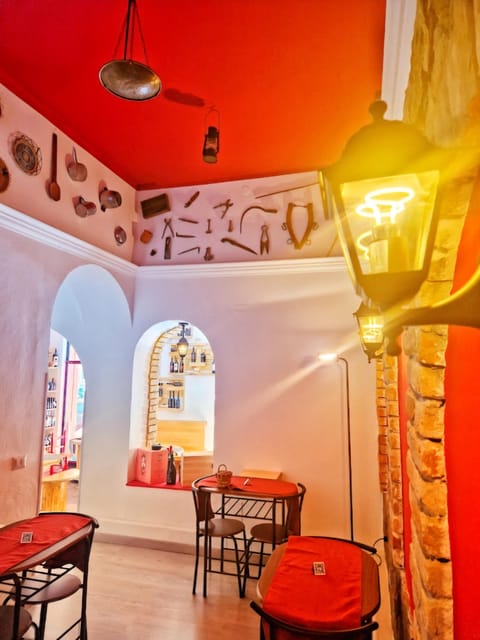
Reviewed · CAGLIARI OLD TOWN & CASTELLO WALKS
Cagliari Old Town: Wine Tasting and local products
Cagliari smells like wine and sea air. In the middle of the Old Town, Sa Binuteca-Gocce di Nicchia turns Sardinia’s everyday flavors into a focused, 2-hour tasting with a real food-and-wine pairing. I like how the experience is built around small local producers, not generic souvenir stuff, and how the guide connects what’s in your glass to how people actually cook and drink on the island. One thing to consider: even though they talk about lots of options, the tasting itself can feel more like a set program in their shop than a hop-around walking tour.
Two standout things I really liked: first, the tasting pairs wines with a meal-style flow, including meats, cheeses, breads/crackers, and produce. Second, the guide (often Stefan/Stefano, depending on how it’s listed) is serious about explaining Sardinian wines in plain language, even when English gets a little stretched and you end up figuring it out together. A possible drawback is that it’s not a long stroll through multiple Old Town stops, so if you’re expecting a moving itinerary around the streets, plan for a sit-down tasting in the shop.
For the right fit, this is a cozy, practical way to learn what makes Sardinia taste like Sardinia. You’ll leave with a better sense of what you like and what to look for later in a shop or restaurant. If you’re price-sensitive, keep your expectations tied to the format: you’re paying for a guided tasting, pairing, and stories, not for a big city tour.
In This Review
- Key things to know before you go
- Sa Binuteca in Cagliari: what kind of experience this really is
- The 2-hour flow: how the tasting moves (and what to expect)
- Wines and typical products: what makes it feel genuinely Sardinian
- The guide factor: how Stefan/Stefano changes the experience
- The “more than 300 wines” promise: how it can play out
- Price and value: is $65 per person fair?
- Timing, pace, and comfort: who should book
- Food intolerances and planning ahead
- What you’ll likely buy afterward (and how to use the tasting)
- Should you book Sa Binuteca’s Cagliari wine tasting?
- FAQ
- FAQ
- How long is the Cagliari Old Town wine tasting?
- Where does the tasting take place?
- What’s included in the price?
- What languages are offered?
- Is it wheelchair accessible?
- Can I cancel for a full refund?
- Can I provide information about food intolerances?
- How many wines will I taste?
Key things to know before you go
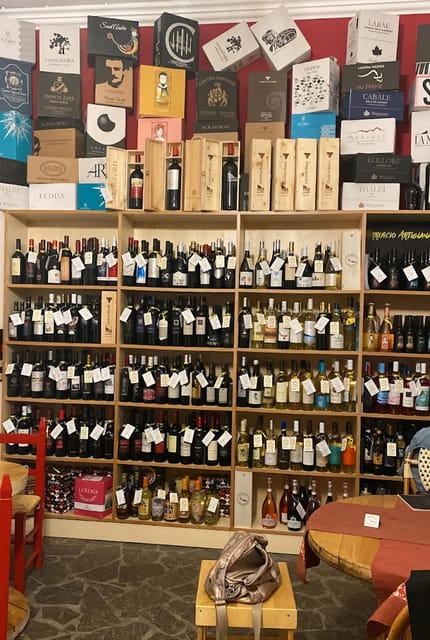
- Right in Cagliari’s center and easy to reach on foot or by public transportation
- 2-hour food-and-wine pairing built around typical Sardinian products from small producers
- Lots of choice on paper, with more than 300 wines, beers, liquors, and gins available in-store
- Skip-the-line entry via a separate entrance (so you’re not waiting outside)
- Live guide in English, Italian, and Spanish to match your comfort level
- Wheelchair accessible, and the format is designed for a seated tasting experience
Deeper into Cagliari, on foot
- Cagliari: Walking Tour of the Old City★ 4.8 · 560 reviews
- Cagliari Vintage Tour★ 5.0 · 185 reviews
- Cagliari: Molentargius Natural Park Segway Tour with Coffee★ 4.7 · 114 reviews
- Cagliari: walking tour through the alleys of Castello★ 4.9 · 74 reviews
Sa Binuteca in Cagliari: what kind of experience this really is
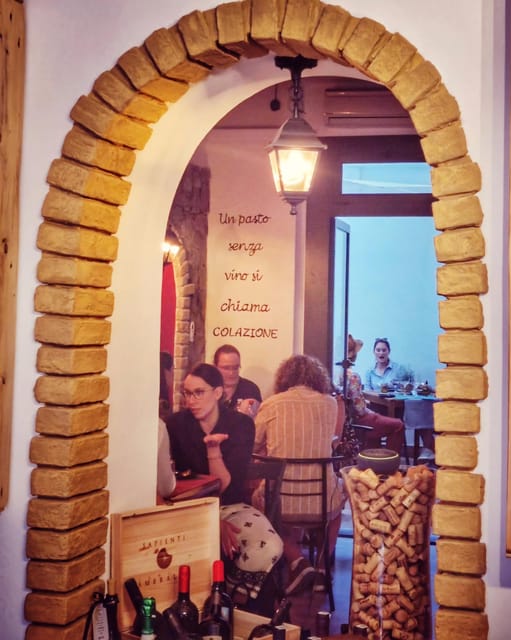
This is a tasting in the Old Town center, not a whole-day sightseeing production. When you arrive at Sa Binuteca-Gocce di Nicchia, the vibe is small and cozy, the kind of place where locals actually hang out and where the shelves matter because the products are the point.
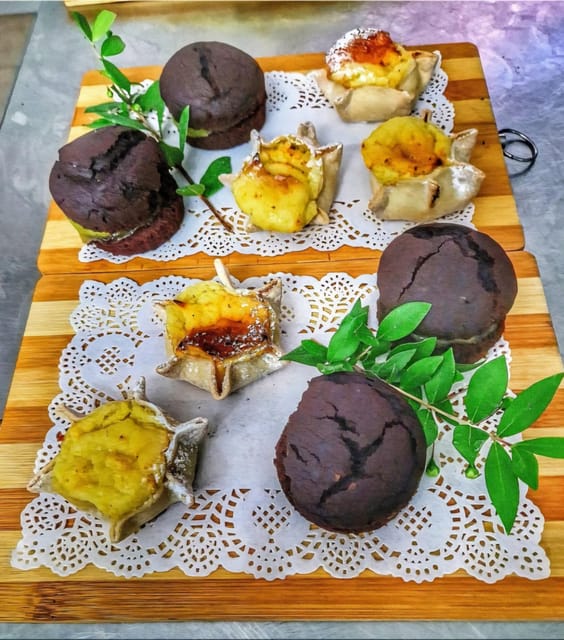
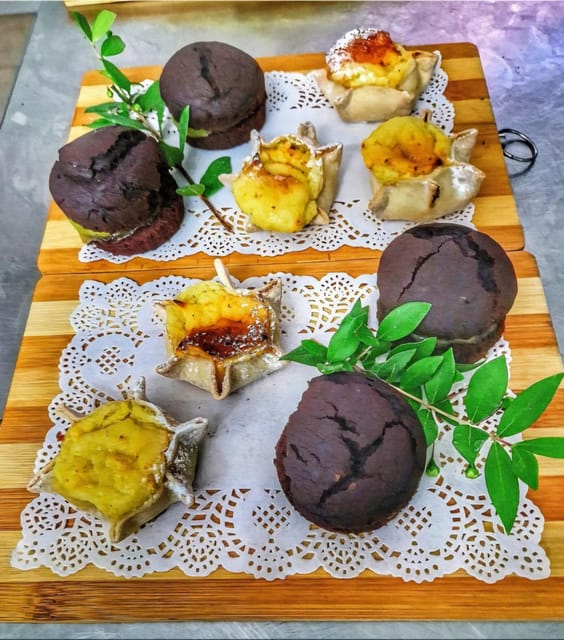
Think of it like a “Sardinia 101” lesson delivered through food and wine. The tour focuses on typical items made by small producers, with the guide explaining what you’re eating and drinking and why it fits together. The highlight list promises descriptions of courses and wine glasses, and the best part is that it doesn’t feel like a lecture. It feels like someone taking your hand and walking you through how the island tastes.
Also, this is one of those experiences where the setting helps. In a big hotel bar, a wine tasting can feel like a performance. In a compact shop, it feels closer to what you’d do if you lived here: try a few things, ask questions, and then pick up a favorite to take home.
The 2-hour flow: how the tasting moves (and what to expect)
The overall duration is 2 hours, and the pacing is meant to keep you fed and not rushed. The tour is built around a complete tasting, which means you’re not just sipping a couple wines and leaving hungry.
Here’s the practical picture of what the experience feels like:
- You start with Sardinian typical products
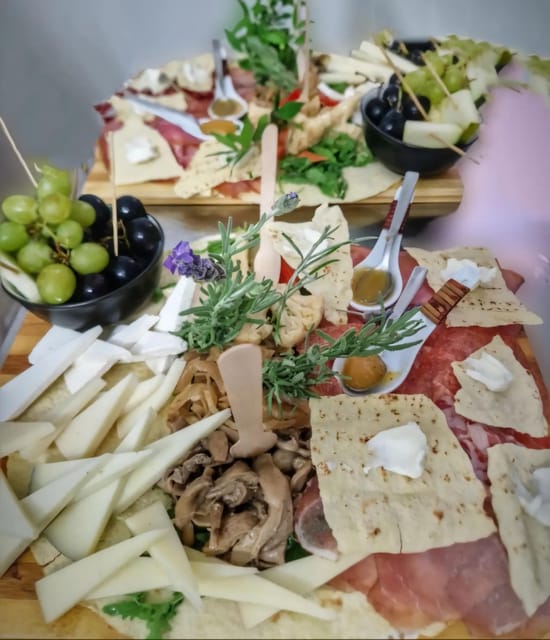
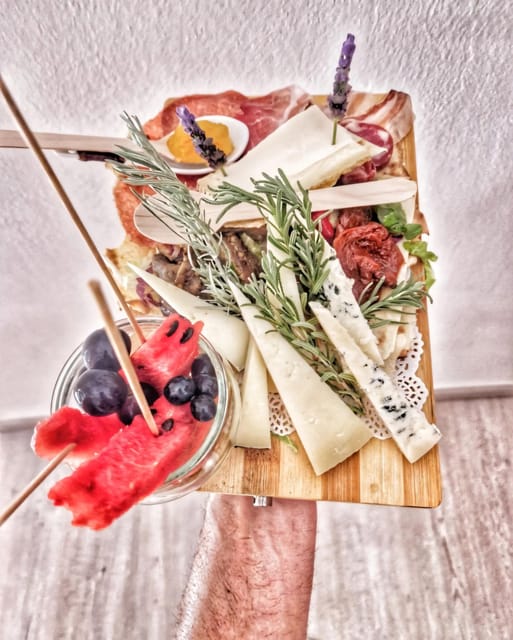
The food portion isn’t a token snack plate. It’s presented as part of a meal-style sequence: items like bread and crackers show up alongside more substantial bites, and the guide ties them back to how grandparents cooked. The goal is to connect flavor with tradition, not just check off foods.
- You move into food-and-wine pairing
Expect multiple pours. In one common format, the tasting includes four wine varietals that turn into six different wines across the sequence. In another session, the tasting included three wines. So the exact number and lineup can vary by session, but you should expect several wines, not just one.
- The guide explains what you’re tasting
The highlight list calls out “description of courses and wine glasses,” and in practice that means you’re shown what to look for: how the glass and wine style shape the aroma, how to notice differences between bottles, and how food changes what you think you taste.
- You finish with a fuller close than a quick sip session
One session included espresso at the end, offered after the tasting flow. If you like your evenings ending with something warm and bittersweet, that kind of finish is a nice touch.
Now, here’s the important consideration. Some people expect a “walk through the Old Town while tasting at stops” based on the vibe of the marketing. The reality is that the tasting happens in the vinotheca setting. If your dream version is a route through multiple streets, this will feel more like a concentrated shop experience.
Wines and typical products: what makes it feel genuinely Sardinian
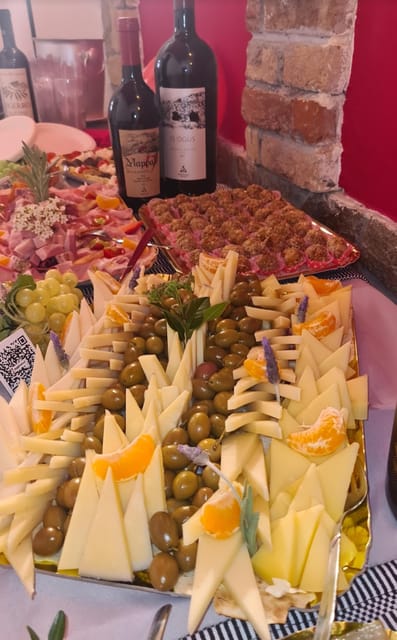
The tour’s real strength is how it treats Sardinian food and drink as a system. Wine isn’t served in isolation, and the food isn’t random. You’re tasting typical products from small local producers and pairing them in a way that helps you notice connections.
From the food described across feedback, you’ll likely see some combination of:
- Cheeses and other dairy-based bites
- Breads, crackers, and bread-based items
- Produce (fresh flavors that help reset your palate)
- Meat elements in a Sardinian style
- A mix of appetizers that feel like a meal, not just appetizers
The guide’s explanations help you understand why pairing works. For example, the same cheese can taste different once you’re drinking a wine with certain acidity or tannin. Bread and crackers are useful not just because they’re filling, but because they help you smooth transitions between wines.
If you’re a “wine geek,” this is also an opportunity to learn what matters to Sardinians themselves. One review described the guide as proud of a shop that carries only Sardinian products, and that detail matters. It’s not a generalist wine bar; it’s about local identity.
The guide factor: how Stefan/Stefano changes the experience
In small tastings, the guide isn’t a background role. The guide is the product.
In the feedback, the name that shows up most often is Stefan/Stefano, and the consistent theme is friendliness plus focus. People appreciated that the staff seemed to concentrate on making the experience work for them and on giving real learning, not just handing out glasses.
Language-wise, the tour is offered in English, Italian, and Spanish. In practice, you’ll likely get solid English if that’s your language, but no one should assume it’s like a TED talk. One common vibe was that if the guide and you meet halfway, the experience gets fun—misunderstandings become small jokes, and you still leave knowing more than you arrived with.
If you prefer very structured presentations with zero improvisation, this may feel too human. If you like conversation and questions, you’ll probably enjoy it a lot.
Hungry for Cagliari? Keep going


The “more than 300 wines” promise: how it can play out
Here’s a point worth clarifying so you don’t walk in with the wrong expectation.
The tour description says you can create a tailor-made package and choose from more than 300 wines, beers, liquors, and gins from the territory. That’s great if you want to browse and build your own shopping list.
But the actual tasting portion can still be a set pairing menu. One shared experience described limited choice during the tasting—people didn’t feel like they had the full freedom implied by the bigger catalog. Another session sounded like the tasting was more flexible.
So my advice is simple: come in with curiosity, but don’t assume you’ll be selecting every bottle on the spot. If you care about specific grape types or styles, ask the guide early and be clear about what you like. Then you can use the wide in-store selection after the tasting to steer your purchases.
Price and value: is $65 per person fair?
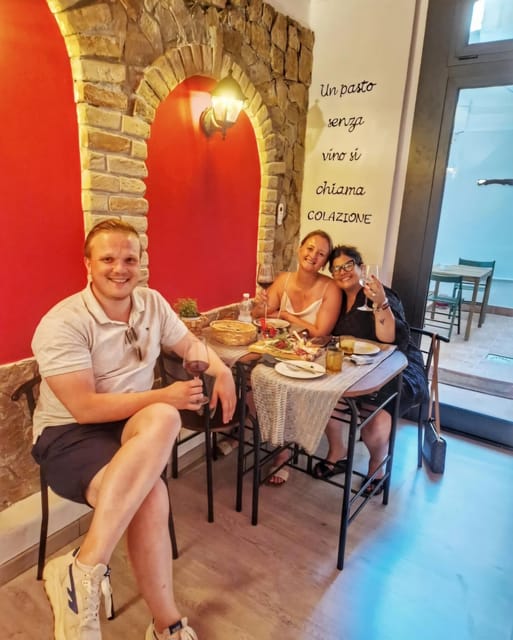
At $65 per person for a 2-hour guided tasting with pairing, water, taxes, and service included, you’re paying for more than wine. You’re paying for:
- a live guide
- a guided food-and-wine sequence
- historical and cultural stories
- water and the included tasting items
Some people felt the experience was worth it, especially those who left feeling they learned a lot and enjoyed a fuller meal-style pairing. Others felt the price was high for what they got, especially if their expectations were for a larger “tour” format or if they felt the tasting choices were limited.
So how do you decide? Use this rule of thumb:
- If you want a guided tasting that helps you buy better later, this can feel like good value.
- If you want a walking itinerary around multiple Old Town stops or you’re expecting lots of selection during the tasting itself, you might feel the price doesn’t match the format.
Given the included guide and pairing, I’d call it a solid value for the people who treat wine learning as a destination activity. For everyone else, it’s still enjoyable—but you should go in knowing it’s mostly a seated tasting in a shop.
Timing, pace, and comfort: who should book
This works best for:
- Couples and small groups who enjoy food and wine more than big-ticket sights
- People who want a quick cultural hit in central Cagliari without committing to a full day
- Anyone who likes to shop after they learn what they like
It may not be ideal if:
- You want an outdoor walking route through multiple places
- You’re bringing a group that needs very customized tasting options
- You’re extremely sensitive to delays—small shop operations can get affected if the place is running busy
That said, the tour includes a separate entrance for skipping the line, so you’re not wasting time waiting at the main doorway. Also, it’s wheelchair accessible, which is a big plus for a tasting-style activity in a historic area.
Food intolerances and planning ahead
One practical note: you should give advance notice of any food intolerances. Because this is a complete food-and-wine tasting, intolerance planning matters. Don’t assume “no problem” on the spot. Send the info ahead of time so the guide can adjust what you’re served.
If you’re gluten-free or avoiding specific proteins, it’s worth being very clear about what you can’t eat. The best outcomes happen when the host knows before you arrive.
What you’ll likely buy afterward (and how to use the tasting)
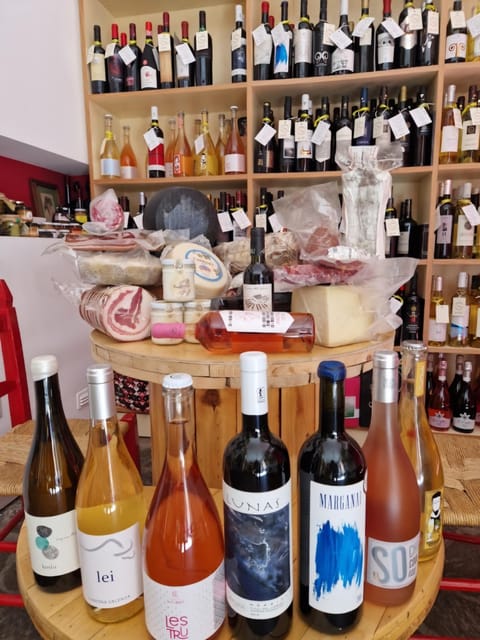
A hidden value of this kind of tasting is what happens after. Since the shop focuses on Sardinian products, the tasting often acts like a guided shopping lesson.
Here are smart ways to use that:
- If you liked a certain wine style, ask what bottle to look for later.
- If a pairing surprised you, ask what producers make similar products (so you can match taste to brand later).
- Buy one or two favorites rather than trying to take home everything you tasted.
Also, the store carries more than just wine—beers, liquors, and gins are mentioned in the broader selection. If you’re not a wine-only person, you can still treat the tasting as a starting point.
Should you book Sa Binuteca’s Cagliari wine tasting?
If your ideal evening in Cagliari is a 2-hour guided food-and-wine pairing in a small shop with Sardinian-only products, then yes, book it. This is the sort of experience that teaches you quickly and helps you taste with better context.
I’d especially recommend it if you:
- enjoy learning through food
- like cozy, local spaces over big tours
- want something in the center that fits easily into a day
Skip it or choose carefully if:
- you’re expecting a walking route through the Old Town
- you want lots of in-tasting choice and zero structure
- you’re very price-sensitive relative to a shop-based format
If you match the vibe, you’ll come away with a clearer idea of what Sardinia tastes like, and you’ll know exactly what to hunt for next time you see those labels.
FAQ
FAQ
How long is the Cagliari Old Town wine tasting?
The experience lasts 2 hours.
Where does the tasting take place?
It takes place in Sa Binuteca-Gocce di Nicchia, right in the center of Cagliari, and it’s reachable on foot or by public transportation.
What’s included in the price?
You get a complete food and wine tasting, a guide, water, taxes and service, plus historical and cultural stories.
What languages are offered?
The live guide is available in English, Italian, and Spanish.
Is it wheelchair accessible?
Yes, the experience is wheelchair accessible.
Can I cancel for a full refund?
Yes. You can cancel up to 24 hours in advance for a full refund.
Can I provide information about food intolerances?
Yes. You should give advance notice of any food intolerances.
How many wines will I taste?
The exact lineup can vary by session, but the tasting includes multiple wines. Some sessions were described as tasting three wines, and another as tasting four varietals (six wines).
At the Cagliari Table
More Tour Reviews in Cagliari




Cagliari on Foot, Keep Going



New in from around Cagliari



Cagliari Old Town & Castello Walks, compared.
 ★ 4.7Cagliari: Underground Cagliari Walking TourFrom $352,329 reviews
 ★ 4.8Cagliari: Walking Tour of the Old CityFrom $25560 reviews
 ★ 4.5Underground Cagliari tourFrom $36351 reviews
 ★ 5.0Cagliari Segway TourFrom $83199 reviews
 ★ 5.0Cagliari Vintage TourFrom $84185 reviews
 ★ 4.7Cagliari: Molentargius Natural Park Segway Tour with CoffeeFrom $81114 reviews
 ★ 5.0Cagliari Walking tourFrom $3282 reviews
 ★ 4.9Cagliari: walking tour through the alleys of CastelloFrom $3374 reviews
Browse the lists this tour appears in