
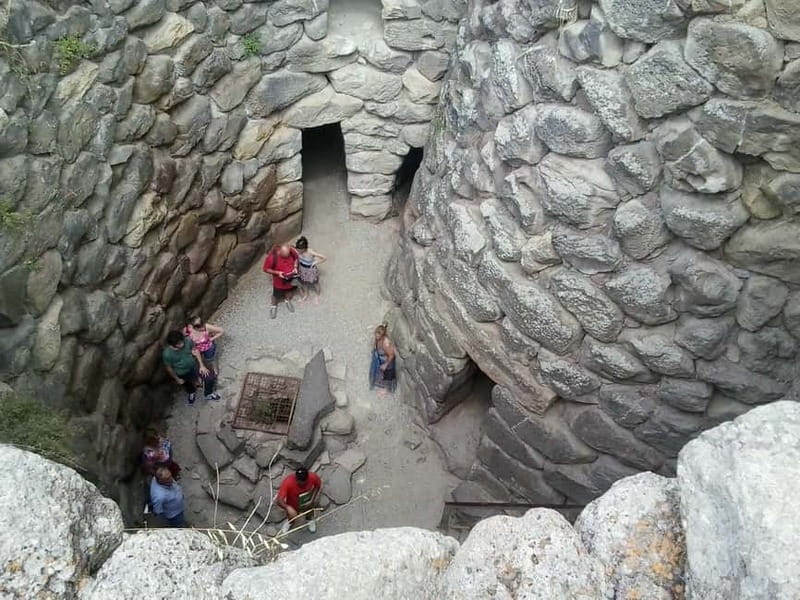
Reviewed · NURAGHI & ANCIENT SARDINIA
Cagliari: Su Nuraxi di Barumini UNESCO Site Guided Tour
Five towers, one hill, and big Sardinian questions.
This guided day trip from Cagliari takes you to Su Nuraxi—the UNESCO World Heritage nuraghe in Barumini—and then strings together a few more ancient stops that explain how people lived and believed here long before modern roads. You’ll ride out by car with a local guide, learn the stories behind the stone, and end back in town with a stronger sense of why Sardinia guards these sites like family heirlooms.
I love two things most: first, how the guide helps you read Su Nuraxi instead of just looking at it, including the layout of the central tower and the surrounding four. Second, the added stops make the day feel like a real timeline—Casa Zapata for the nuraghe-related ruins, then Domus de Janas for the Neolithic necropolis and its rock-cut legends. In the group, you’ll likely hear guide energy from folks like Fabio, Francesca, or Micki, who were praised for being friendly and for packing a lot of meaning into the walk.
One consideration: the entry tickets for Su Nuraxi and Casa Zapata aren’t included in the price, so plan for an extra cost on top of the tour.
In This Review
- Key highlights to look for
- Su Nuraxi di Barumini: UNESCO in real scale, not postcard scale
- The walk at Su Nuraxi: what to watch for (and what shoes you’ll thank yourself for)
- Casa Zapata Museum: the stop that makes the stones make sense
- Domus de Janas: Neolithic tombs and the power of local legends
- Optional extras: Giara wild horses or the Basilica of Bonaria
- The day’s pace: 5–6 hours with real time for explanations
- Price and value: paying for access and a guide, not just transit
- Who should book this, and who should skip it
- Tips to get more out of the tour
- Should you book this Cagliari-to-Barumini day trip?
- FAQ
- How long is the tour?
- What stops are included?
- Where do we meet the guide in Cagliari?
- How long is the visit at Su Nuraxi di Barumini?
- Are entry tickets included?
- What is the language of the guided tour?
- Is transportation included?
- Is the tour suitable for wheelchair users?
- Is it suitable for people with claustrophobia?
- What should I wear or bring?
Key highlights to look for
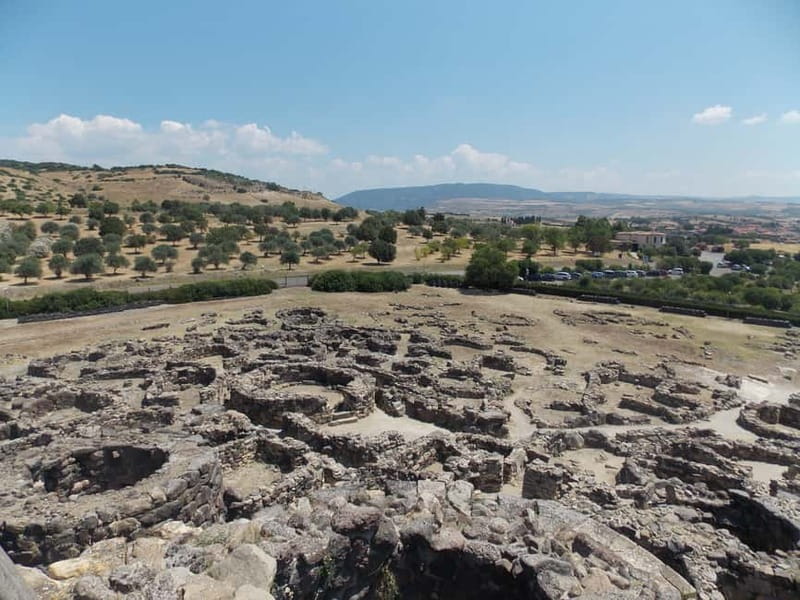
- Su Nuraxi’s five-tower layout explained in a guided 2-hour visit at the hilltop site
- Casa Zapata Museum housing ruins tied to Su Nuraxi ’e Cresia
- Domus de Janas necropolis in the countryside, with Neolithic “House of the Fairies” style legends
- Flexible add-ons: a guided walk in Giara with small wild horses, or a stop at the Basilica of Bonaria (options vary)
- Local guide throughout the day (English and Italian), with time to ask questions
- A full 5–6 hour archaeologically-focused loop that feels like more than a quick photo stop
More of ancient Sardinia and its nuraghi
- SU NURAXI BARUMINI Unesco World Heritage Site★ 5.0 · 129 reviews
- Cagliari: Su Nuraxi di Barumini UNESCO Site Guided Tour★ 4.9 · 92 reviews
- Barumini Unesco Site and Giara of Gesturi Tour from Cagliari★ 5.0 · 79 reviews
- The Nuraghe Tour: Day Trip from Cagliari★ 4.9 · 38 reviews
Su Nuraxi di Barumini: UNESCO in real scale, not postcard scale
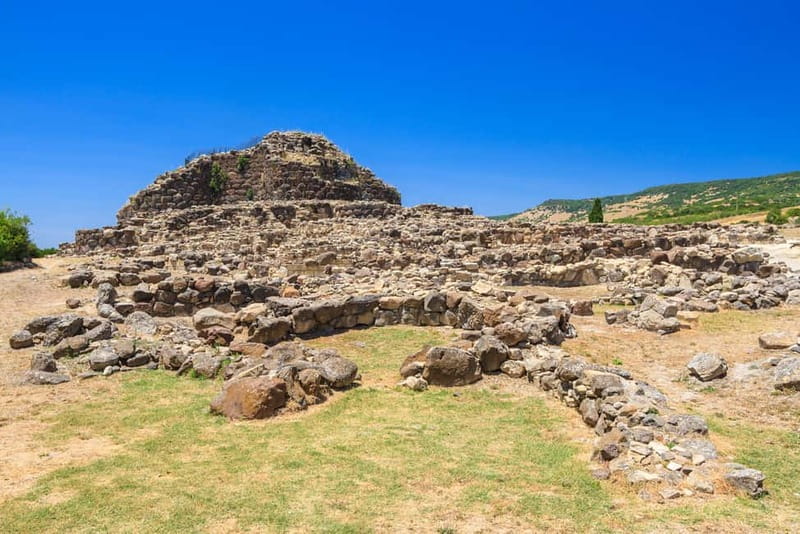
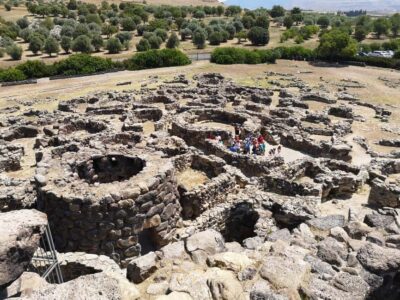
Su Nuraxi di Barumini is one of those places where the world heritage label makes sense the moment you arrive. The nuraghe sits on a hill above the countryside of Marmilla, and what hits you is how complex it looks for something that’s basically stacked stone—towers within towers, with structure that has survived far better than you’d expect.
On your visit, your guide will walk you through the parts most people miss when they arrive with only a map and hope. You’ll focus on the central tower and the four surrounding towers, plus the walls and the traces of an older village area. The effect is simple: you stop thinking of it as one monument and start seeing it as a system people built, lived around, and modified over time.
I also like that the tour framing treats nuraghes as a living symbol for Sardinia. You’re not just hearing facts—you’re hearing why the island takes pride in these shapes and stories, and why they still feel important to modern local identity.
The walk at Su Nuraxi: what to watch for (and what shoes you’ll thank yourself for)
This is a guided outdoor visit, and the main value is the explanation while you’re standing in place. If you’re the type who likes turning your phone camera off long enough to actually look, you’ll do well here.
The terrain is generally manageable, but you should come ready for uneven ground and some walking time. Wear comfortable shoes even if you normally travel in sneakers. You’ll be moving around the site while the guide points out details like how the towers relate to each other and how the walls shaped the compound.
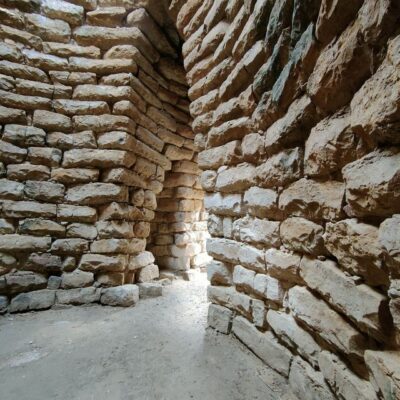
If you’re claustrophobic, take note: you may be around tighter stone features depending on how the guide leads the route and what sections are emphasized. The tour isn’t designed for wheelchair users, and it’s also not listed as suitable for people with claustrophobia—so be honest with yourself before booking if enclosed spaces make you feel uneasy.
Casa Zapata Museum: the stop that makes the stones make sense
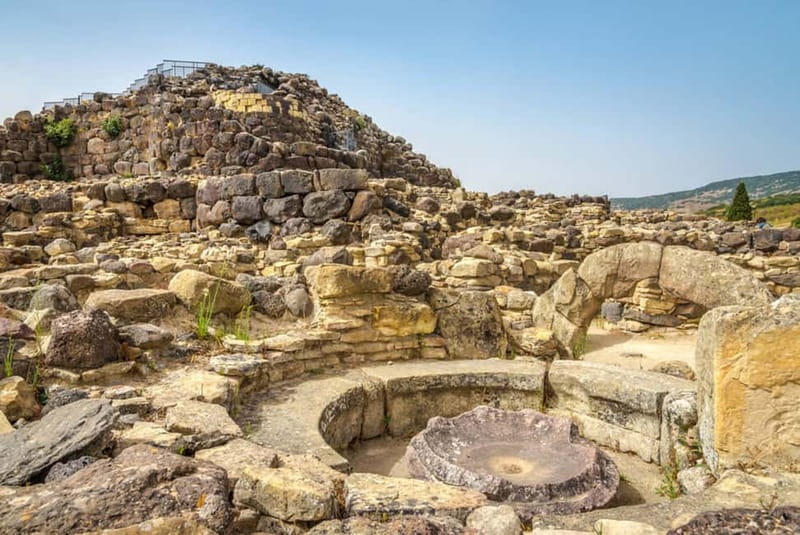
After the hilltop, the tour shifts gears to Casa Zapata (about a 30-minute guided visit). This is where your brain gets to organize what you saw outside. The museum encloses ruins associated with Su Nuraxi ’e Cresia, which helps connect the “big standout” nuraghe to the broader world of smaller structures and surrounding settlement life.
Think of it as the tour’s translation layer. Outside, you’re absorbing shapes and scale; inside, you’re learning how archaeologists and historians interpret those stones and what the ruins suggest about how communities lived and built.
The fact that the museum is tied to specific nuraghe-related remnants makes it more useful than a generic museum stop. You can walk out with a clearer picture of how one famous site fits into a larger local pattern—without having to be an expert to follow along.
Domus de Janas: Neolithic tombs and the power of local legends
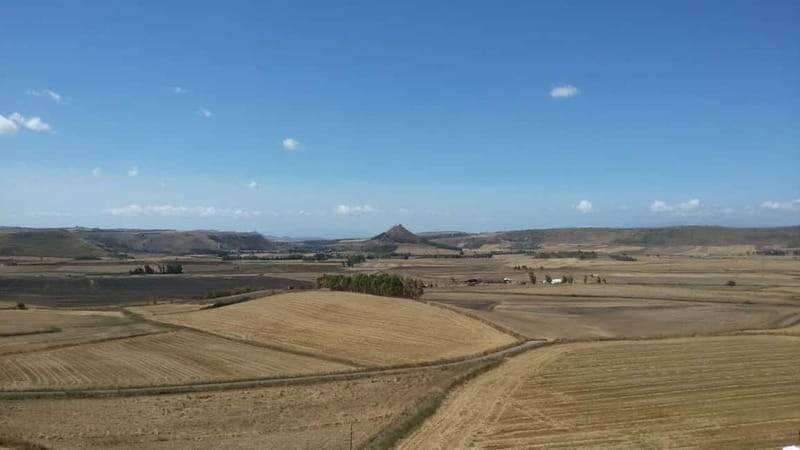
The last major ancient stop is Domus de Janas, a Neolithic necropolis. Your visit focuses on De S’ Acqua Salida – Pranu Efis, and the setting adds weight: you’re not in a city museum. You’re in the countryside, looking across the same kind of space people would have lived around thousands of years ago.
Domus de Janas is famous for being rock-cut “house” tombs. You’ll hear old legends connected to these spaces, and that’s part of why this stop often feels surprising in a good way. It’s not just another site with a sign; it’s a place where the relationship between people, landscape, and belief comes through quickly.
Also: this is one reason I think guides matter here. A strong guide doesn’t just describe the doorway and chamber. They explain how the site fits into Neolithic practices and why the mythology stuck. The better guides—like those praised for being engaging and friendly—make it easier to picture the human side of the archaeology.
Rather have a local along? More guided Cagliari days


Optional extras: Giara wild horses or the Basilica of Bonaria
A neat part of this tour is the way it can branch into one of two extras (you’ll pick an option when booking, depending on availability):
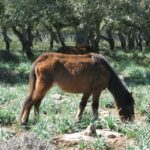
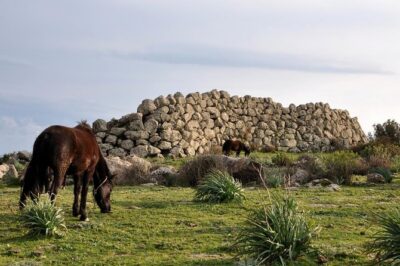
- Giara walking option: You can include a guided walk on the volcanic plateau of Giara, where small wild horses live. If you like being out in open air and seeing a different kind of Sardinian terrain, this option pairs naturally with the archaeological day by adding a nature layer.
- Basilica of Bonaria option: You can also opt for a stop at the Basilica of Bonaria in Cagliari. Choose this if you’d rather keep the day more city-and-history oriented rather than adding another countryside walk.
Either way, I’d treat these options as a “style” choice. If you’re already happy with ruins and tombs, go for the church stop. If you want a bit more movement and scenery after Barumini, Giara is the obvious fit.
The day’s pace: 5–6 hours with real time for explanations
This isn’t a sprint tour. It runs about 5–6 hours, including transportation by car, guided visits, and the drive time between Cagliari and Barumini-area sites.
The itinerary flow works because it alternates between active outdoor viewing and a more structured museum stop. That balance helps you retain information. The last stop also benefits from the earlier context, since Domus de Janas lands better when you’ve already learned how people organized space around stone structures.
You’ll meet at Largo Carlo Felice, 76, where your guide meets you in front of the Cagliari 1920 cafe. The tour returns you back to the same point at the end. That makes it easy to plan dinner right after without needing a taxi hunt.
Price and value: paying for access and a guide, not just transit
The tour is priced at $79.30 per person, and what you’re really buying is guided access plus transportation by car. Tickets are extra: entry tickets for Su Nuraxi and Casa Zapata are not included (listed at 8.50€ per person).
Here’s how I think about value in plain terms. If you tried to DIY this day, you’d spend time figuring out timing, transport, and how to interpret what you’re seeing at each site. This tour bundles the hard part—guidance—into a single day, and the guide is part of why people rate it extremely highly. Many comments praised guides for enthusiasm and for explaining the history so it clicks while you’re there.
So yes, it costs more than a bus ticket. But it’s also less than what your day would feel like if you’re constantly guessing. If you enjoy understanding sites rather than just collecting stamps, the guide-led format is the value.
Who should book this, and who should skip it
This works best for you if:
- You like guided interpretation at archaeological sites
- You want a focused day with Su Nuraxi + Casa Zapata + Domus de Janas in one loop
- You’d enjoy optional add-ons like Giara (wild horses) or a city church stop in Cagliari
- You’re comfortable with guided walking on uneven ground
I’d consider skipping or choosing a different format if:
- You need wheelchair access (the tour is not suitable for wheelchair users)
- You have mobility limitations that make small-site walking difficult
- You’re claustrophobic, since tomb-like stone spaces can be challenging in general
Tips to get more out of the tour
A few small things make a noticeable difference:
- Bring comfortable shoes. You’ll thank yourself at Su Nuraxi and possibly at Domus de Janas.
- Go ready to ask questions. The guides praised for being approachable were the ones who turned the day into more than a script.
- Decide your add-on style. Want nature after ruins? Choose Giara. Prefer more city history? Pick Basilica of Bonaria.
- Budget for entry tickets so the day feels smooth financially.
Should you book this Cagliari-to-Barumini day trip?
If you want a high-impact archaeology day that doesn’t require planning skills beyond showing up, I think this tour is a strong choice. The biggest reason is the pairing: Su Nuraxi gives you the iconic nuraghe structure, Casa Zapata helps you interpret it, and Domus de Janas adds the Neolithic story and legends that make Sardinia feel like a place with long memory.
I’d book it if you like guided explanations and you’re comfortable with walking outdoors and around stone features. I’d hesitate only if your mobility needs or claustrophobia concerns might make the tomb stop feel stressful.
Bottom line: for $79.30 plus entry tickets, you’re paying for guided clarity and efficient transport between sites. That’s exactly what makes this kind of day trip worth doing.
FAQ
How long is the tour?
The tour runs about 5 to 6 hours. Starting times depend on availability.
What stops are included?
The guided day includes Su Nuraxi di Barumini, Casa Zapata, and Domus de Janas. You may also add either a walk in Giara or a stop at the Basilica of Bonaria, depending on the option you choose.
Where do we meet the guide in Cagliari?
Meet at Largo Carlo Felice, 76, in front of the Cagliari 1920 cafe.
How long is the visit at Su Nuraxi di Barumini?
The guided tour of Su Nuraxi di Barumini is about 2 hours.
Are entry tickets included?
No. Su Nuraxi di Barumini and Casa Zapata entry tickets are not included, listed at 8.50€ per person.
What is the language of the guided tour?
The guide provides live commentary in English and Italian.
Is transportation included?
Yes. Transportation by car is included, along with a local guide.
Is the tour suitable for wheelchair users?
No. It is listed as not suitable for wheelchair users.
Is it suitable for people with claustrophobia?
No. It is listed as not suitable for people with claustrophobia.
What should I wear or bring?
Bring comfortable shoes for the outdoor walking portions.
More Tours in Cagliari


More Tour Reviews in Cagliari
More Nuraghi and Ancient Sites
New in from around Cagliari

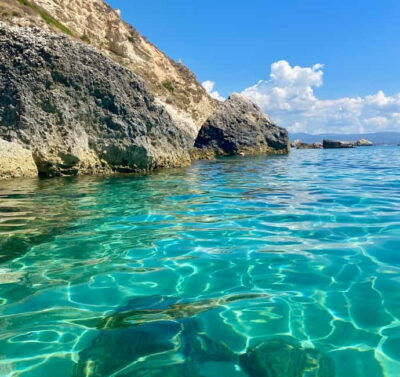
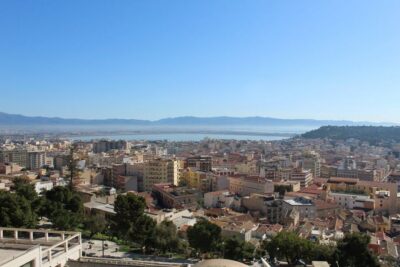

Nuraghi & Ancient Sardinia, compared.
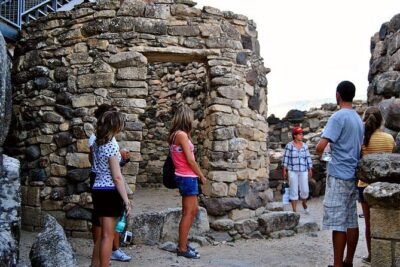 ★ 5.0SU NURAXI BARUMINI Unesco World Heritage SiteFrom $108129 reviews
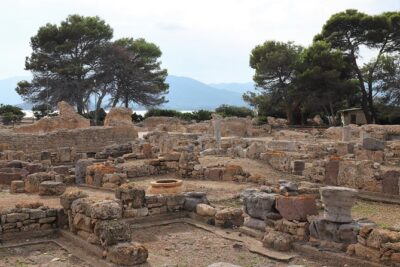 ★ 5.0Tour to the archaeological site of Nora – from CagliariFrom $9080 reviews
 ★ 5.0Barumini Unesco Site and Giara of Gesturi Tour from CagliariFrom $10879 reviews
 ★ 5.0Tiscali mount guided hikeFrom $7853 reviews
 ★ 4.9The Nuraghe Tour: Day Trip from CagliariFrom $10038 reviews
 ★ 5.0Barumini Nuraghe Tour from CagliariFrom $10637 reviews
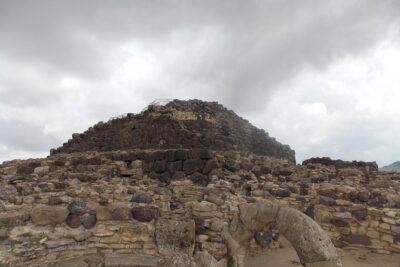 ★ 5.0Su Nuraxi of Barumini World Heritage UNESCO site TourFrom $8336 reviews
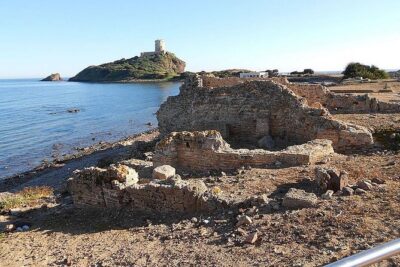 ★ 4.9Nora Tour from Cagliari27 reviews
Browse the lists this tour appears in