
Reviewed · NURAGHI & ANCIENT SARDINIA
Tour to the archaeological site of Nora – from Cagliari
Roman ruins, minus the hassle. I love the way this Nora day trip from Cagliari gets you to the archaeological site without messing around with public transport, plus it includes prebooked admission so you start sightseeing sooner. What really sells it, though, is the guide-led attention—experts like Frederica Picciau and Renato can turn a pile of old stones into a clear story you can follow. The main thing to consider is schedule risk: if weather is bad or the site has an event that limits access, plans can change fast.
The other big win is the small group feel (kept to an intimate size, with a maximum of eight travelers overall), so you’re not shouting over a busload of chatter. Expect a focused 4-hour outing that returns you to Largo Carlo Felice, with time inside Nora for the highlights. Still, this is an outdoor site experience, so bring sensible shoes and a weather-ready mindset.
In This Review
- Key Nora Tour Takeaways
- Nora from Cagliari: why this ruins stop is worth a trip
- Meet-up in Cagliari and getting there without the public transport headache
- Area Archeologica di Nora: theatre, thermal baths, mosaics, and sea views
- The theatre: preserved enough to “get” the place
- Roman thermal baths: the human scale of daily life
- Roman mosaics: small details that repay attention
- The views: ruins by the sea
- The Punic-to-Roman story: how layers make Nora click
- Small-group size (up to four per group): why your guide time matters
- Price and value: what you’re really paying for at $90.51
- Timing, what you’ll do first, and what to expect at the site
- Practicalities: weather, walking comfort, and who it fits
- Who should skip it (or at least think twice)
- Should you book this Nora tour from Cagliari?
- FAQ
- Where is the meeting point for the Nora tour from Cagliari?
- How long is the tour to the archaeological site of Nora?
- Is admission to the Nora Archaeological Area included?
- What group size should I expect?
- Is the tour offered in English?
- Do I get a mobile ticket?
- Is there free cancellation?
- What happens if the weather is bad?
Key Nora Tour Takeaways
- Prebooked entry time-saver so you don’t waste your visit lining up for admission
- English-guided explanations that connect what you see to how people lived in the Punic and Roman eras
- Small-group pace that makes it easier to ask questions and actually hear the answers
- Top Nora sights in one outing including thermal baths, a well-preserved theatre, and Roman mosaics
- Sea-view ruins that make the place feel bigger than a museum floor
More of ancient Sardinia and its nuraghi
- Tour to the archaeological site of Nora – from Cagliari★ 5.0 · 80 reviews
- Tiscali mount guided hike★ 5.0 · 53 reviews
- Su Nuraxi of Barumini World Heritage UNESCO site Tour★ 5.0 · 36 reviews
- Nora Tour from Cagliari★ 5.0 · 24 reviews
Nora from Cagliari: why this ruins stop is worth a trip
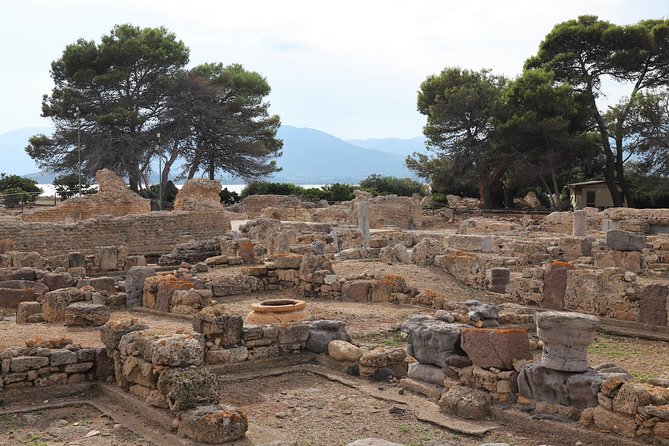
Nora sits right by the sea, and that matters. When you’re standing among ruins that face the water, the whole settlement feels less like a history lesson and more like a real place people chose to live—work, pray, trade, and entertain. You get a mix of Punic and Roman remains, which gives you two layers to compare as you walk from structure to structure.
From Cagliari, this tour is a clean way to get there for a focused visit without building a full DIY plan. You’re not trying to decode routes, timetables, or who has what ticket counters open that day. Instead, you meet at Largo Carlo Felice and let the day trip framework do the heavy lifting.
The best part is that the guide doesn’t treat Nora like a single “Roman ruins” stop. You’ll hear how Punic, Carthaginian, and Roman presence shaped life on Sardinia—then you’ll connect that story to specific places, like the theatre and the thermal baths. For a first visit, that’s exactly what you want: clarity, context, and a route that hits the big moments.
Meet-up in Cagliari and getting there without the public transport headache
You start at Largo Carlo Felice, 76, Cagliari, and you’ll be back there at the end. That round-trip structure is useful when you’re only in Sardinia for a short stay and you don’t want to burn half a day figuring out connections.
The highlight here is simple: skip the public transport hassle and enjoy a guided day trip format instead. You’re not locked into bus transfers, uncertainty, or timing gaps. It’s also a straightforward plan for your first full day in Cagliari, because it doesn’t require you to be in charge of navigation.
The tour runs about 4 hours total. Inside that, you get a dedicated Nora visit period (about 1 hour 15 minutes) with the admission ticket included. That balance is important. Too-short visits leave you with photos and no understanding. Too-long tours can feel like you’re parked in the heat with a group that keeps moving on without you. This one is set up for a strong highlight-focused experience.
Also, you’ll be in a small group setting, with a maximum of eight travelers. Combined with the fact that the tour is offered in English, it’s easier to follow the guide and keep the energy from turning into a scramble.
Area Archeologica di Nora: theatre, thermal baths, mosaics, and sea views
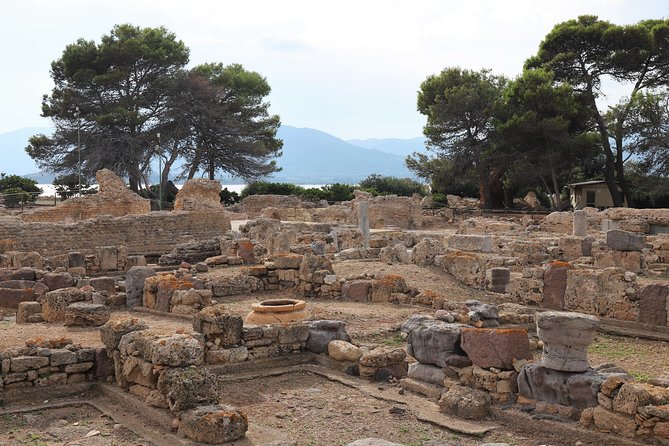
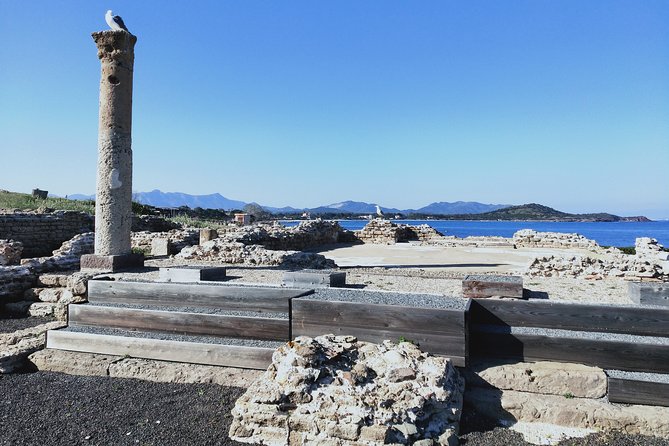
Nora is not shy about its best moments. In your Nora stop, you’ll see a Punic and Roman settlement with several standout features.
The theatre: preserved enough to “get” the place
A very well-preserved theatre is one of the headliners here. Even if you don’t know ancient architecture, you can usually read a theatre fast: the space, the scale, and the logic of where people would have sat. With a guide, you’ll get more than an exterior view—you’ll learn what the theatre meant in daily life and how Roman culture used built spaces for community events.
The theatre also gives you a natural viewpoint. You’re not just staring at ruins up close; you’re starting to see how the settlement fits into the coastline.




Roman thermal baths: the human scale of daily life
The thermal baths are another highlight. Baths tend to do one thing well: they make the ancient world feel practical. They hint at routines—social time, relaxation, and shared public life. When you hear the story behind the baths while you’re looking at what’s still there, Nora stops being abstract.
A good guide will help you notice what makes the baths feel different from a typical ruin pile. You start imagining water routes, movement through spaces, and why people valued that kind of facility.
Roman mosaics: small details that repay attention
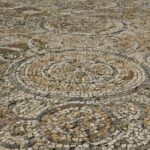
Roman mosaics are a highlight too, and this is where you’ll want to slow down for a few minutes. Mosaics can look like “pattern art” if you rush. If you’re given context, they become a snapshot of taste, trade, and who had access to better materials.
The guide-led explanations help you notice what you’re seeing instead of just walking past it for a quick photo.
The views: ruins by the sea
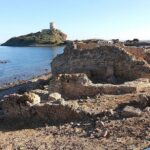
The best free feature is the setting itself. Nora’s ruins have beautiful views of the sea, and that changes the way you remember the visit. Instead of feeling like you toured a closed building, you’ll finish with images of coastline and settlement lines in your head.
The Punic-to-Roman story: how layers make Nora click
Nora’s identity is part of why the tour works so well. You’re not only shown Roman architecture. You also learn about the earlier Punic and Carthaginian presence, then how Roman rule and culture took over and reshaped what people built and how they lived.
In plain terms, the settlement reads like a timeline you can walk through. Punic and Roman layers don’t always blend neatly, but that contrast is the point. You get to compare what changes and what stays familiar: public spaces, entertainment, and the idea of a town laid out for daily rhythms.
Guides you might hear from—like Frederica Picciau, Valentina, Renato, and Francesca—tend to focus on explaining presence and influence, not just naming structures. That includes why Nora mattered in Sardinia’s life and economy. You may come away with a better sense of how the island functioned, not only how the buildings looked.
If you like archaeology that tells a story (rather than archaeology that sounds like a textbook), this tour’s structure is a good fit. One hour fifteen minutes inside the site is enough to follow the main plot without turning it into homework.
Small-group size (up to four per group): why your guide time matters
Here’s the practical reason the group size is a selling point: with fewer people, you actually hear the guide. You’re not forced into the back row. You’re also more likely to get answers to your real questions instead of the guide rushing through a script.
The tour is described as intimate, with groups capped at just four people per group, and an overall maximum of eight travelers. That combo usually means the pace stays manageable. You get time to look, pause, and ask, without constantly feeling that you’re holding everyone back.
It also helps with photo-taking. Nora has visual moments: mosaics, the theatre’s structure, and sea-facing angles. If the tour were crowded, you’d spend more time waiting for gaps than actually composing shots. Here, the pace supports the viewing.
And because the tour is offered in English, you’re not piecing together meaning from gestures and stray words. One of the most common praise points for this type of tour is that the guide’s background and clarity help you learn what you’d miss on your own. You’ll see it in action: guides with strong archaeology education and teaching experience tend to explain what you’re looking at, not just that it exists.
Price and value: what you’re really paying for at $90.51
$90.51 per person sounds like a “tour price,” but the value depends on what it replaces. Here, you’re paying for three things:
First, prebooked admission to the Nora Archaeological Area. That saves you time and reduces stress on arrival. Second, you’re paying for guided context—history you can understand while you’re in front of the thermal baths, theatre, and mosaics. Third, you’re paying for transportation convenience from Cagliari, so you can skip public transport planning.
If you were to DIY it, you’d likely spend money on admission anyway, then add your own transport costs and time. With a small group and a guided route, your visit stays efficient. It’s not trying to do everything in Sardinia. It’s doing Nora well.
Also consider this: the tour averages around 43 days in advance booking. That’s a sign it’s a popular add-on for people who want their archaeological day planned ahead. If you wait until the last minute, you might find limited availability, especially if weather conditions affect operations.
Timing, what you’ll do first, and what to expect at the site
Your day is built around one main stop: Area Archeologica di Nora. You’ll spend about 1 hour 15 minutes on-site, with admission included. The rest of the 4-hour total is the “getting there and back” time.
That timing is ideal if you want the best parts of Nora without spending all day in one location. Nora can reward a longer visit, sure. But for most people, a guided highlight route beats wandering slowly and ending up with photos but no understanding.
A smart way to approach the visit is to treat your time like this:
- Look first at the layout and big structures (the theatre and the overall settlement feel).
- Then focus on details (mosaics) once you understand what kind of spaces you’re looking at.
- Finish by connecting daily life to place (thermal baths) so Nora feels lived-in, not just monumental.
Since the tour requires good weather, you’ll be more comfortable if you dress for sun and wind. Even in mild weather, ruins by the sea can feel breezy.
Practicalities: weather, walking comfort, and who it fits
This experience requires good weather. If weather is poor, you’ll be offered a different date or a full refund. That’s important in Sardinia because coastal plans can get affected quickly by conditions.
Most travelers can participate, and service animals are allowed. The tour also lists the meeting point as near public transportation, which is helpful if you’re not staying far from the center.
What you should plan for: the site is outdoors and you’ll be moving between areas. Even with a short total time inside, it’s still a “ruins day,” meaning comfortable shoes and a light layer matter more than fashion choices.
Who should book this tour?
- First-timers to Nora who want the best highlights in limited time
- People who care about how cultures blend, especially Punic to Roman influence
- Anyone who wants a guided narrative while standing where it happened
- Small-group fans who like hearing details without crowd noise
Who should skip it (or at least think twice)
If you’re the type who likes long, self-paced archaeology wandering, this may feel a bit structured. The on-site time is about 1 hour 15 minutes. It’s not designed to let you take your sweet time at every nook and corner.
Also, if your itinerary is extremely tight and you’re only in Cagliari for one day, consider booking earlier in your trip. The tour is weather-dependent and can shift if access changes due to a site event. You’ll sleep better if you’re not scheduling it as your only archaeological option.
Should you book this Nora tour from Cagliari?
Yes—if you want an efficient, guided Nora visit that connects the big sights to the culture behind them. This is a strong choice when you’d rather spend your time learning on-site than figuring out logistics. The small-group format helps you actually hear the guide and take in the Roman theatre, thermal baths, mosaics, and sea views without feeling rushed.
Book it especially if you love architecture and want context: you’ll come away with a clearer sense of how Punic and Roman presence shaped life in Sardinia, not just a stack of pictures.
If you’re flexible on timing and you’re comfortable with outdoor walking, it’s an easy “yes” for most people visiting Cagliari.
FAQ
Where is the meeting point for the Nora tour from Cagliari?
The tour starts at Largo Carlo Felice, 76, 09123 Cagliari CA, Italy, and it ends back at the same meeting point.
How long is the tour to the archaeological site of Nora?
The duration is about 4 hours, with around 1 hour 15 minutes at the archaeological area.
Is admission to the Nora Archaeological Area included?
Yes. The admission ticket to the Area Archeologica di Nora is included.
What group size should I expect?
The experience has a maximum of 8 travelers, and the tour is described as intimate with groups capped at four people per group.
Is the tour offered in English?
Yes, the tour is offered in English.
Do I get a mobile ticket?
Yes, the tour includes a mobile ticket.
Is there free cancellation?
Yes. You can cancel for a full refund if you cancel up to 24 hours in advance of the experience’s start time.
What happens if the weather is bad?
The tour requires good weather. If it’s canceled due to poor weather, you’ll be offered a different date or a full refund.
More Tours in Sardinia



More Tour Reviews in Sardinia

More Nuraghi and Ancient Sites
New in from around Sardinia

Nuraghi & Ancient Sardinia, compared.
 ★ 5.0SU NURAXI BARUMINI Unesco World Heritage SiteFrom $108129 reviews
 ★ 4.9Cagliari: Su Nuraxi di Barumini UNESCO Site Guided TourFrom $7992 reviews
 ★ 5.0Barumini Unesco Site and Giara of Gesturi Tour from CagliariFrom $10879 reviews
 ★ 5.0Tiscali mount guided hikeFrom $7853 reviews
 ★ 4.9The Nuraghe Tour: Day Trip from CagliariFrom $10038 reviews
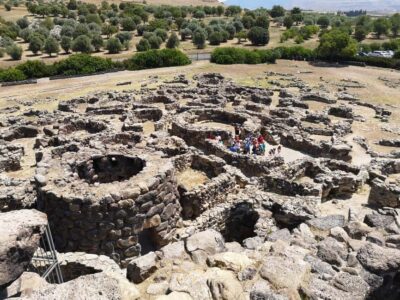 ★ 5.0Barumini Nuraghe Tour from CagliariFrom $10637 reviews
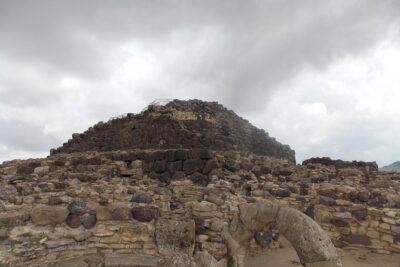 ★ 5.0Su Nuraxi of Barumini World Heritage UNESCO site TourFrom $8336 reviews
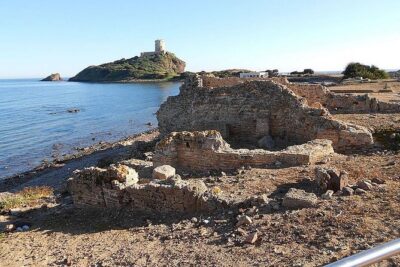 ★ 4.9Nora Tour from Cagliari27 reviews
Browse the lists this tour appears in