
Reviewed · NURAGHI & ANCIENT SARDINIA
Nora Tour from Cagliari
Ruins and flamingos show up in the same afternoon. This Nora tour mixes real Sardinian layers—Nuragic, Phoenician, Punic, then Roman—with a stop by the Lagoon of Santa Gilla to watch elegant pink flamingos in their natural setting. I also like how the driving portion is not wasted time; you get context on the road, in English and Italian, with a guide who uses visuals to explain Nora’s story.
One possible drawback: you’ll do a fair amount of walking between the beach area, the church stop, and the main ruin circuit, so it’s not the best pick if you want a totally light, sit-and-stretch outing.
In This Review
- Key things that make this tour work
- From Viale La Plaia to the Lagoon of Santa Gilla
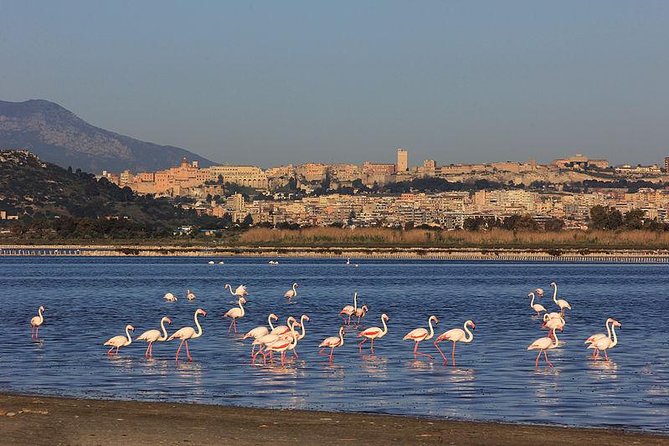
- Pink flamingos by Santa Gilla and the salt flats
- Beach time in front of Nora and the Saint Efisio pause
- Nora’s ruins in real layers: from Nuragic to Roman
- Theatre, thermal baths, mosaics, and temples
- The “walk the beach, then read the stones” rhythm
- Why the guide matters more than the site alone
- Logistics, pacing, and what you’ll want to plan for
- Who this tour suits best (and who might rethink it)
- Should you book this Nora and flamingos tour from Cagliari?
- FAQ
- How long is the Nora Tour from Cagliari?
- Where do I meet the tour in Cagliari?
- What languages is the live guide available in?
- Is the group limited in size?
- Do I need to buy tickets, and is there a ticket line?
- What stops are included during the tour?
- What ancient civilizations are covered at Nora?
- What’s the cancellation policy?
Key things that make this tour work
- Small group (up to 6): easier questions and less time waiting around.
- Flamingos en route: you see why Santa Gilla is famous before you even reach Nora.
- Saint Efisio stop: a quick cultural pause by an 11th-century church tied to Sardinia’s traditions.
- Skip-the-line entry: you trade paperwork time for ruins time.
- A structured Nora tour (2 hours): the guide keeps the story clear, not just a list of stones.
More of ancient Sardinia and its nuraghi
- SU NURAXI BARUMINI Unesco World Heritage Site★ 5.0 · 129 reviews
- Cagliari: Su Nuraxi di Barumini UNESCO Site Guided Tour★ 4.9 · 92 reviews
- Barumini Unesco Site and Giara of Gesturi Tour from Cagliari★ 5.0 · 79 reviews
- The Nuraghe Tour: Day Trip from Cagliari★ 4.9 · 38 reviews
From Viale La Plaia to the Lagoon of Santa Gilla
You start the day at Viale La Plaia, 1 in Cagliari, right in front of the ENI Gas Station. It’s an easy-to-find pickup point with coordinates if you like to plot it, and it helps everything feel organized from the jump. From there, the group heads out with a local professional guide and gets moving toward Nora and the coast.
This is one of those tours where the transfer matters. As the vehicle rolls past the Santa Gilla area, you’re not just traveling—you’re building a mental picture for what you’ll see next. The guide’s job is to connect places and eras, so when you arrive near Nora, you’re not starting from zero.
Pink flamingos by Santa Gilla and the salt flats
Santa Gilla is the kind of place that rewards patience. The tour stops so you can admire and photograph the pink flamingos in their environment, which is the whole point of this “on the way” experience. Seeing them from a practical viewing spot beats trying to piece it together on your own, especially if it’s your first time in Sardinia.
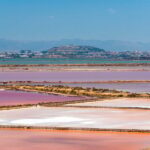
A second thing I like: the route also includes passing by the salt flats. That matters because it gives context for how this coastline has been used by people for a long time. Even if you only get brief views, it helps the day feel connected, not like random stops glued together.
Timing note: flamingo viewing is part of the 4-hour schedule, not a separate half-day excursion. So bring your camera, but don’t expect hours of birdwatching. The value is that you combine nature with history in one smooth block.
Beach time in front of Nora and the Saint Efisio pause
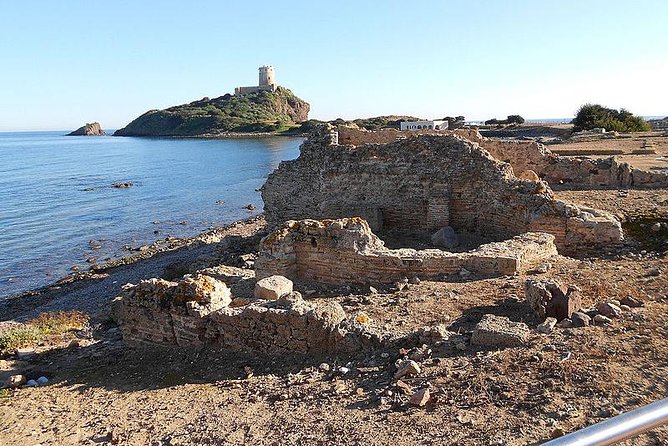
Once you reach the small peninsula of Pula, the tour shifts to Nora’s immediate setting. You start with a walk along the beach in front of the site. This is a smart move for two reasons. First, it stretches your legs before the ruins. Second, it gives you a sense of how Nora sits on the coast—coastal access, sea proximity, and the feel of the place you’re about to explore.
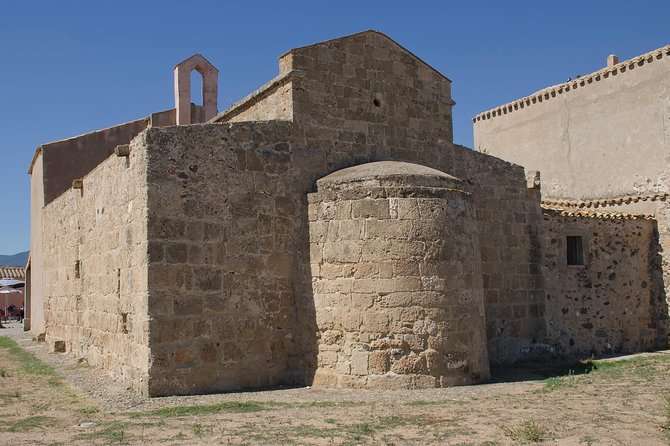
Then comes a cultural stop: the little church of Saint Efisio, described as dating back to the 11th century. The tour includes learning about the tradition of Saint Efisio, which is a big part of Sardinian identity. Even if you’re not a “church-history” person, I find these pauses make the archaeological site feel less like an isolated museum and more like a living landscape.
What you’ll probably notice: the church is a compact moment compared to the ruins. It’s not meant to steal time from Nora. It’s meant to give you one grounded reason to care about what happens around these stones, long after the Romans left.
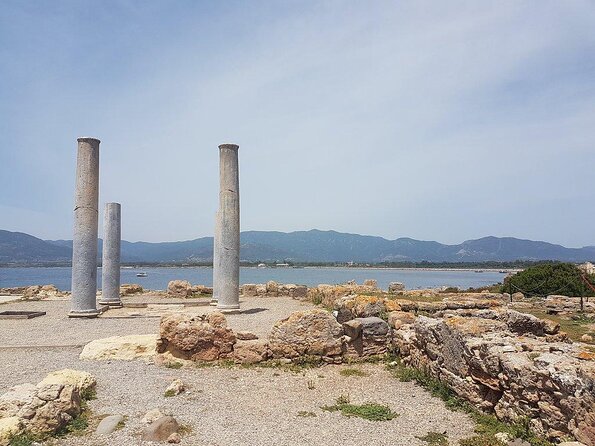
Nora’s ruins in real layers: from Nuragic to Roman
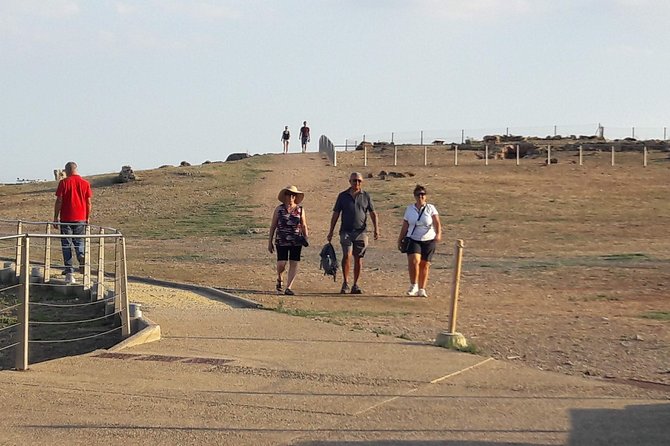
This is the heart of the day: Nora’s archaeology. You get a guided walk through the site for 2 hours, which is long enough to understand it as a story, not just a quick circuit.
The site is presented as a sequence of civilizations living (and rebuilding) in the same area:
- Nuragic
- Phoenician
- Punic
- Roman
That’s the big lesson. Nora isn’t one snapshot in time. It’s an evolving settlement where later cultures reuse, adapt, and leave marks on what’s already there. If you like history that shows change over time, this format is excellent.


Theatre, thermal baths, mosaics, and temples
The guide’s route focuses on some of Nora’s most recognizable elements:
- the theatre
- the thermal baths
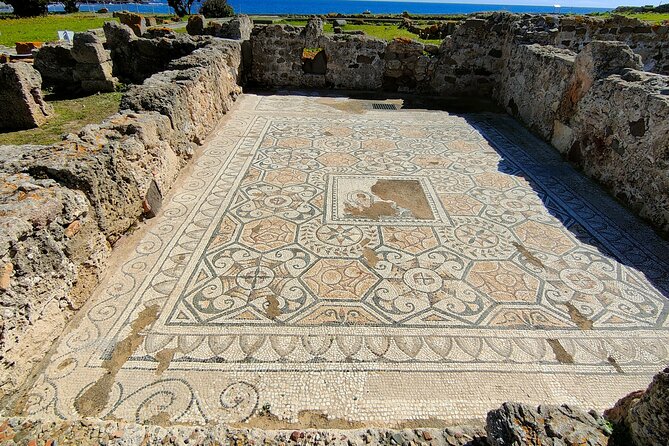
- mosaics
- temples
- and several different areas across town
Here’s what to watch for as you walk: the mix of public and private spaces. The theatre and temples suggest civic life and worship. The thermal baths point to daily routine and social culture. Mosaics are the kind of detail that can feel small until the guide connects them to how people lived, decorated, and signaled status.
One more practical perk: because the group is small and the guide keeps the pacing, you’re more likely to spot what you’d otherwise miss. In the feedback, the guide experience is praised for clear explanations plus visual support that helps you follow Nora’s life cycle. That combination tends to make the ruin walk stick.
The “walk the beach, then read the stones” rhythm
I like the order here: you get coastal atmosphere, then you get the site. It prevents that common “stone fatigue” feeling where ruins start to blur together. You’ll probably feel like the morning is about place, and the afternoon is about interpretation.
Why the guide matters more than the site alone
Nora is impressive on its own. But what makes this tour rate highly is the guidance style. In the available reviews, Claudia is highlighted for passion and for turning Nora into a clear storyline. The feedback also praises explanations that are easy to follow and delivered in English and Italian, plus a comfortable, informative drive before you ever reach the ruins.
So if you’re deciding between a self-guided trip and a guided one, here’s the practical difference you’ll feel:
- With a guide, you spend less time guessing what you’re looking at.
- You get context that helps the ruins connect to Sardinia’s bigger identity.
- The visuals (mentioned in feedback) can make the timeline feel logical instead of scattered.
If you’re the type who likes archaeology but also wants it to make sense, a guided format like this is usually the best use of limited time.
Logistics, pacing, and what you’ll want to plan for
This tour is designed around a 4-hour total timeframe, with the ruins portion described as guided for 2 hours. That structure is helpful. You get enough depth at Nora to understand it, and you still have time for flamingos, beach walking, and the Saint Efisio stop.
A couple practical points based on what’s described:
- Skip the ticket line: you start the ruins segment faster, which matters when you’re on a fixed schedule.
- Small group (max 6): you move as a unit, but it’s not crowded. That keeps questions and photos from becoming a hassle.
- Comfortable transfer: the drive is part of the experience, not a painful necessity.
What to bring:
- Comfortable walking shoes for uneven ground at archaeological sites.
- Sun protection and water, especially if you’re touring during hotter months.
- A camera that can handle both bird shots and close-up ruin details.
Pacing consideration: because you’ll move through multiple areas in one afternoon, this is best for travelers who like active sightseeing with built-in stops, not for those who need long breaks.
Who this tour suits best (and who might rethink it)
This is a great fit if you:
- want Nora in one organized, guided visit rather than piecing it together yourself
- care about seeing Sardinia’s layered past in a chronological, guided way
- enjoy nature photography and want flamingos added without turning it into a full birdwatching day
- appreciate a small-group format and bilingual guidance
You might think twice if you:
- prefer long, unhurried time at one single attraction
- need a fully sedentary pace
- don’t like walking between scenic stops (beach, church, ruins)
Should you book this Nora and flamingos tour from Cagliari?
If you only have a short window in Cagliari and you want one outing that combines archaeology + coastal nature + Sardinian tradition, I’d book it. The skip-the-line piece, the small group size, and the fact that the ruins get a full guided 2 hours are what make it feel efficient without being rushed.
I’d especially recommend it if you like your history explained. A key strength here is that the guide turns Nora into a clear story with visual support, so you leave knowing what you saw and why it matters.
If you’re the type who hates group tours or needs tons of solo time, you may prefer a self-guided plan. But for most first-time visitors, this is a smart, balanced way to see Nora and still enjoy Sardinia’s living wildlife and culture in the same afternoon.
FAQ
How long is the Nora Tour from Cagliari?
The tour lasts 4 hours.
Where do I meet the tour in Cagliari?
Meet in Viale La Plaia, 1 in Cagliari in front of the ENI Gas Station.
What languages is the live guide available in?
The live tour guide operates in English and Italian.
Is the group limited in size?
Yes. It’s a small group limited to 6 participants.
Do I need to buy tickets, and is there a ticket line?
You skip the ticket line.
What stops are included during the tour?
You visit the Lagoon of Santa Gilla area for flamingos, the beach in front of Nora, the church of Saint Efisio, and the archaeological ruins of Nora.
What ancient civilizations are covered at Nora?
Nora is presented as an ancient Nuragic, Phoenician, Punic, and Roman city.
What’s the cancellation policy?
Free cancellation is available up to 24 hours in advance for a full refund.
More Tours in Cagliari

More Tour Reviews in Cagliari
More Nuraghi and Ancient Sites
New in from around Cagliari
Nuraghi & Ancient Sardinia, compared.
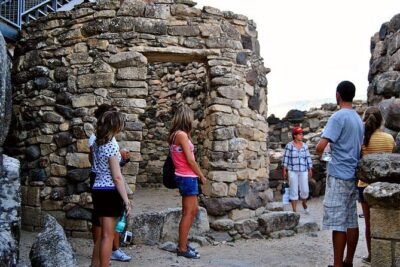 ★ 5.0SU NURAXI BARUMINI Unesco World Heritage SiteFrom $108129 reviews
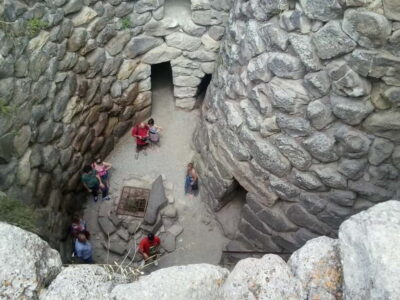 ★ 4.9Cagliari: Su Nuraxi di Barumini UNESCO Site Guided TourFrom $7992 reviews
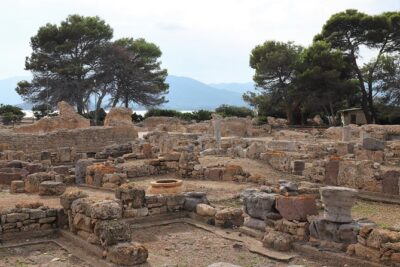 ★ 5.0Tour to the archaeological site of Nora – from CagliariFrom $9080 reviews
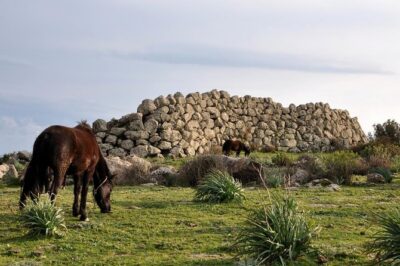 ★ 5.0Barumini Unesco Site and Giara of Gesturi Tour from CagliariFrom $10879 reviews
 ★ 5.0Tiscali mount guided hikeFrom $7853 reviews
 ★ 4.9The Nuraghe Tour: Day Trip from CagliariFrom $10038 reviews
 ★ 5.0Barumini Nuraghe Tour from CagliariFrom $10637 reviews
 ★ 5.0Su Nuraxi of Barumini World Heritage UNESCO site TourFrom $8336 reviews
Browse the lists this tour appears in