Reviewed · COOKING CLASSES
Cagliari: Pasta art Cooking Class with 3-Course Dinner
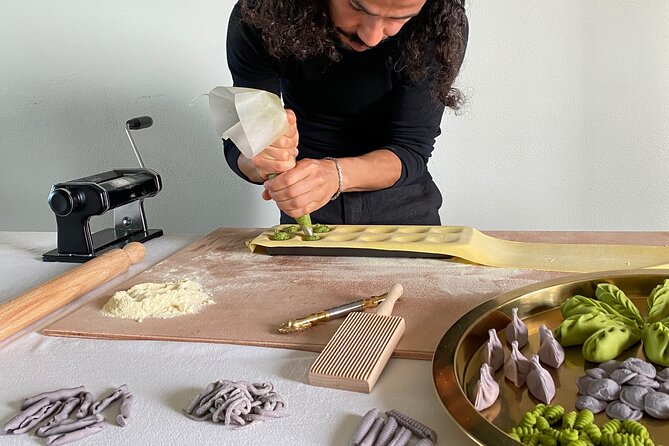
Pasta-making in Sardinia is oddly satisfying. In this Cagliari-area class, chef Ovan guides you through classic hand shapes like Malloreddus and Lorighittas, with a healthy, whole-wheat, plant-based approach built in.
I love the hands-on step-by-step teaching and the fact you eat a true 3-course meal made from what you made. I also like the way the class focuses on taste and texture, not just shapes. One possible drawback: if you only want traditional, meat-heavy pasta flavors, the plant-based and whole wheat angle may not be your preference.
In This Review
- Key things to look forward to
- Where this Cagliari pasta art class fits (and why it’s worth your time)
- Meeting point reality check: plan for a smooth start
- Your pasta lesson begins: dough, texture, and learning by doing
- The Sardinian shapes lesson: Malloreddus, Andarinos, and Lorighittas
- Culurgiones filling: where flavor teamwork really happens
- The 3-course lunch you actually helped make
- Healthy whole wheat and plant-based pasta: what changes in practice
- Group size and comfort: why max 8 matters
- Price and value: what $107.18 gets you
- Who this pasta art class is best for (and who might skip)
- Should you book the Cagliari pasta art Cooking Class?
- FAQ
- How long is the cooking class and dinner?
- Is the class offered in English?
- What is the group size limit?
- What’s included in the price?
- What dishes are on the menu?
- Is alcohol included?
- Where do I meet for the tour?
- Can I cancel for free?
Key things to look forward to
- Chef Ovan’s calm, patient coaching while you form pasta by hand
- Sardinian shapes made with your own hands: Malloreddus, Andarinos, Lorighittas
- Culurgiones practice, including how to get a filling that tastes right together
- A 3-course dinner where you actually eat what you prepare
- Health-forward ingredients: plant-based options plus whole wheat pasta flour
- Small group size (max 8) that keeps the class feeling personal
Learn to cook it yourself: more Sardinia classes
- Culurgiones Cooking Class Cagliari★ 5.0 · 321 reviews
- Alghero Home Cooking Pasta Class at a Farmhouse with Wine★ 5.0 · 130 reviews
- Cooking Class in a Secret Courtyard – Culurgiones (Sardinian Pasta)★ 4.5 · 55 reviews
- Cagliari: Pasta art Cooking Class with 3-Course Dinner★ 5.0 · 13 reviews
Where this Cagliari pasta art class fits (and why it’s worth your time)
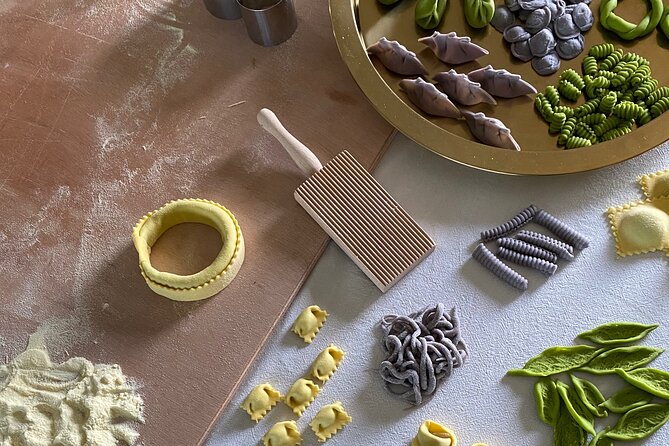
This is a 3-hour, one-location experience in the Cagliari region, starting at Via delle Robinie, 7, 09045 Quartu Sant’Elena CA. The setup is simple: you meet, cook, then you sit down to eat a 3-course pasta dinner that comes from your work.
What makes it feel different from a quick pasta tasting is the focus on technique. You’re not just sampling finished dishes. You’re learning how to make different pasta shapes by hand, plus how to make (and pair) filling for culurgiones. If you like the hands-on side of cooking, this is a great use of a short window in Sardinia.
Another reason I’d pick it: the class is open to both beginners and experienced cooks. That matters because pasta can feel intimidating if you’re starting from scratch—yet it can still be fun if you already know your way around dough. The teaching is meant to be flexible.
Finally, there’s a healthy angle that doesn’t feel like an afterthought. The class uses plant-based ingredients and whole wheat pasta flour, so you can keep the meal more “everyday friendly” without turning it into something bland or novelty.
Meeting point reality check: plan for a smooth start
Start time and exact logistics aren’t spelled out here, but the meeting point is specific: Via delle Robinie, 7, 09045 Quartu Sant’Elena CA, Italy. The activity ends back at that same meeting point, so you’re not dealing with transport across town during the meal.
A small practical tip: if you’re arriving from Cagliari, give yourself a little buffer. Even a short class can feel long if you’re stressed at the start. And because the group is capped at 8 people, late arrivals can throw off the rhythm for everyone.
You’ll also have a mobile ticket, which is convenient if you’re traveling light and relying on your phone for everything.
Your pasta lesson begins: dough, texture, and learning by doing
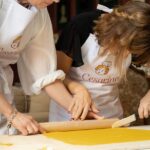
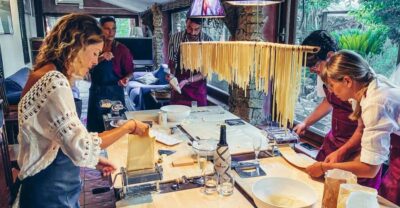
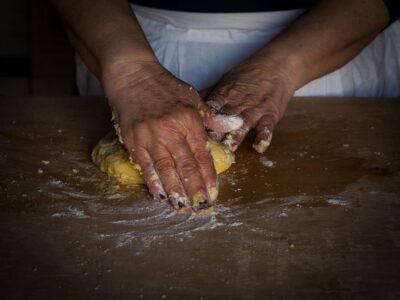
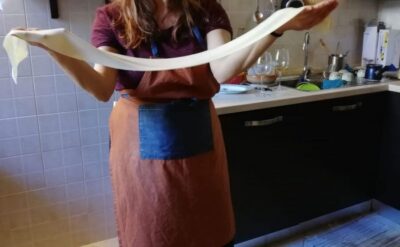
The core of this experience is learning how to make pasta by hand, not just watching someone else do it. Chef Ovan leads the workshop step by step, with time for you to practice the motions that matter—rolling, shaping, and handling the dough so it behaves the way it should.
The biggest payoff, in my opinion, is the focus on texture and taste. Pasta quality is often about small things: how the dough feels, how it holds together, and how the shape affects the bite. Here, you’re being guided toward that “perfect” feel, not left guessing.
You’ll also be encouraged to get creative. The class doesn’t just teach one rigid method. It helps you understand the principles so you can create your own variations. That’s the difference between a fun meal and an experience that actually upgrades what you can do later at home.
And yes—this is the part where you’ll likely get a little flour on your hands. That’s normal. Embrace it. Cooking classes like this are about participation, not photo ops from the sidelines.
The Sardinian shapes lesson: Malloreddus, Andarinos, and Lorighittas
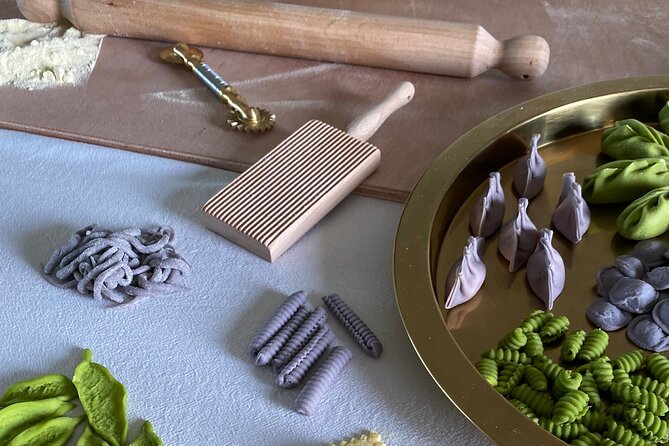
One of the most interesting parts is that the pasta isn’t generic. You’re inspired by Sardinian shapes, including Malloreddus, Andarinos, and Lorighittas. These names matter because they connect the shapes to Sardinia’s food identity, not just Italian pasta in general.
Here’s what you should take away from learning these shapes:
- Malloreddus: you’re practicing a classic Sardinian pasta form that’s known for how well it holds onto sauces. Shaping affects the whole eating experience.
- Andarinos: another hand shape that keeps the workshop varied, so you’re not doing one thing for the entire session.
- Lorighittas: a distinctive shape that teaches control—because this is where technique shows.
Even if you’ve never made pasta before, having multiple shapes keeps your learning active. You’re constantly applying what you just learned. If you’re an experienced cook, it’s still satisfying because you’re working on specific styles instead of repeating one basic dough task.
The class also ties shaping to real flavor work later. You’re not learning shapes in isolation—you’re learning them with the expectation you’ll build to fillings and sauces.
One or two more Sardinia outings we rate
Culurgiones filling: where flavor teamwork really happens
After learning several pasta shapes, the workshop turns to culurgiones. This is the part I’d call the “brain of the class,” because a stuffed pasta lives or dies by the filling and how it balances with the rest of the dish.
You’ll learn how to make the perfect filling for culurgiones and how to combine it harmoniously with a tasty sauce. The point isn’t just to get the filling done—it’s to get it right so it tastes like a finished Sardinian meal, not like a kitchen experiment.
If you’ve ever had stuffed pasta that feels heavy or one-note, you already understand why this matters. Filling ratio, texture, and flavor balance are everything. In this class, you’re guided toward that balance step by step.
You’ll also have support for adjusting your technique depending on what you’re making. That’s helpful because hand-shaped pasta changes slightly based on dough feel, humidity, and how confident you are with handling.
The 3-course lunch you actually helped make
The class ends with lunch: a 3-course pasta dinner featuring the dishes you helped prepare. Coffee and/or tea, plus water, are included—so you’re not scrambling for drinks mid-meal.
Based on the menu, you can expect:
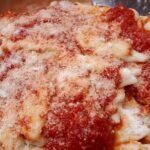
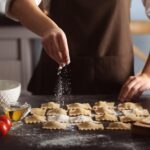
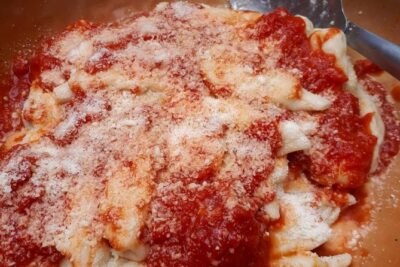
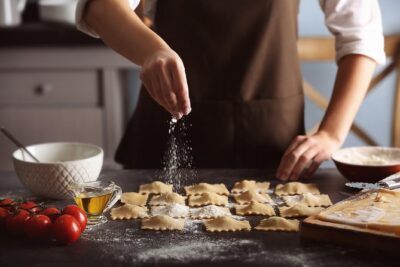
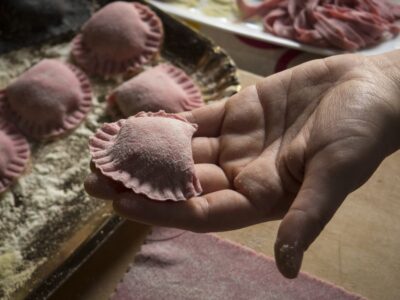
- Handmade stuffed ravioli
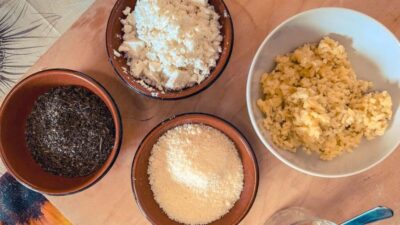
- Traditional culurgiones filled with creamy mashed potatoes
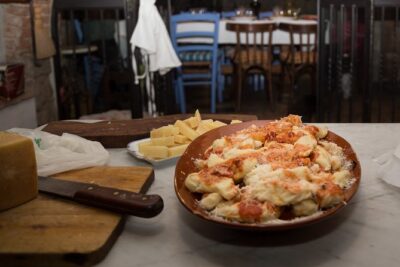
- Malloreddus with a slow-cooked lentil and tofu ragù
Two things I like about this lineup:
- It covers multiple types of pasta work—stuffed ravioli and culurgiones, plus Malloreddus paired with a ragù.
- It keeps the focus on filling and sauce pairing, which is exactly what you learned in the workshop.
There’s also an extra option you can add for an additional charge: a botanical non-alcoholic wine pairing. If you enjoy food-and-drink pairing experiences, this is a fun add-on. And if you’re booking around alcohol restrictions, note the minimum age for alcohol is 18 years.
One more practical note: because the group size is small (max 8), you’re more likely to get an actual seat and a real meal flow, instead of eating standing up while the next group comes in.
Healthy whole wheat and plant-based pasta: what changes in practice
This class is built around healthy variations of pasta. That means plant-based ingredients and whole wheat pasta flour aren’t marketing fluff—they’re part of how the meal is structured.
So what changes for you?
- You may taste a slightly different flavor and texture compared with 100% white-flour pasta. Whole wheat can be earthier and more hearty, which can be a good thing if you like “real food” textures.
- Plant-based sauces and ragùs can still feel rich when the technique and ingredients are right. Here, the menu includes a slow-cooked lentil and tofu ragù, which suggests the class is aiming for comfort food vibes without relying on traditional animal-based richness.
- The class is positioned as suitable for different cooking levels, so the healthy ingredient choice doesn’t turn the workshop into a separate track. You’re still learning the fundamentals.
In plain terms: you leave with pasta you can feel good about eating, and you learn how health-focused choices can still deliver a satisfying plate.
Group size and comfort: why max 8 matters
A maximum of 8 travelers is a big deal in a hands-on cooking class. Pasta requires attention—kneading, shaping, adjusting thickness. Smaller groups mean less waiting and more feedback.
The class also lists a minimum of 2 adult people. So it can run as a small pairing or a tight group, which is great if you want something more personal than a large tour.
If you’re the type of traveler who doesn’t want to spend your whole vacation standing in a line, this size helps. You get to work with the ingredients and focus on your own progress rather than feeling rushed.
Price and value: what $107.18 gets you
At $107.18 per person, you’re paying for more than a snack and a quick demo. You’re getting:
- a guided pasta workshop (3 hours approx.)
- instructions on making multiple Sardinian-style shapes
- help with culurgiones filling and sauce pairing
- lunch: a 3-course pasta dinner made from your work
- coffee and/or tea plus water
That turns the price into a “food experience” category, not just a cooking activity. If you’d otherwise spend money on a sit-down lunch plus a separate class or food tour, this can feel like good value—especially because the meal is included.
One thing to consider: if you’re purely looking for a low-cost activity, the price may feel steep compared with a standard meal. But if you want hands-on skill-building with a full lunch attached, the math starts to make sense.
Who this pasta art class is best for (and who might skip)
This is best for you if:
- you love pasta and want to make it by hand
- you like Sardinian food culture and want specific shapes, not generic ones
- you enjoy learning fillings and sauce logic, not just assembling ingredients
- you want a small-group class that feels more intimate
It might be less ideal if:
- you only want very traditional, meat-and-cheese-heavy flavors (the class leans plant-based and whole wheat)
- you’re hoping for a mostly watch-and-take-photos style experience
Should you book the Cagliari pasta art Cooking Class?
I’d book it if you want a hands-on food lesson that ends with an actual sit-down meal—and you’re okay with the healthy, plant-based, whole-wheat approach. The small group size and chef Ovan’s patient, step-by-step style make it a strong pick for both first-timers and cooks who want to learn Sardinian specifics.
If that healthy angle worries you, check your own taste preferences first. But if you’re open-minded and excited to form pasta shapes and build culurgiones filling, this is the kind of class that leaves you with real skills, not just memories.
FAQ
How long is the cooking class and dinner?
The experience lasts about 3 hours.
Is the class offered in English?
Yes, it’s offered in English.
What is the group size limit?
There’s a maximum of 8 travelers.
What’s included in the price?
Coffee and/or tea, water, and lunch are included. You eat a 3-course pasta dinner based on what you prepared.
What dishes are on the menu?
The menu includes handmade stuffed ravioli, traditional culurgiones filled with creamy mashed potatoes, and malloreddus with a slow-cooked lentil and tofu ragù.
Is alcohol included?
A botanical non-alcoholic wine pairing is available for an additional charge. The minimum age for alcohol is 18 years.
Where do I meet for the tour?
You start at Via delle Robinie, 7, 09045 Quartu Sant’Elena CA, Italy.
Can I cancel for free?
Yes. You can cancel for a full refund up to 24 hours in advance of the experience start time.
More Dining Experiences in Sardinia
Cook It Yourself: Sardinia Classes
More Tour Reviews in Sardinia

New in from around Sardinia
Cooking Classes, compared.
 ★ 5.0Culurgiones Cooking Class CagliariFrom $96321 reviews
 ★ 4.9Alghero: Sardinian Home-Cooking Class and MealFrom $123138 reviews
 ★ 5.0Alghero Home Cooking Pasta Class at a Farmhouse with WineFrom $131130 reviews
 ★ 5.0Cagliari: Sardinian Cooking Class with Meal and DrinksFrom $10556 reviews
 ★ 4.5Cooking Class in a Secret Courtyard – Culurgiones (Sardinian Pasta)From $7255 reviews
 ★ 5.0Sardinia Cooking Class: Fresh Handmade PastaFrom $9253 reviews
 ★ 5.0Homemade fresh pasta cooking classFrom $9034 reviews
 ★ 5.0Traditional Sardinian Lunch and Cooking Class In CagliariFrom $10621 reviews
Browse the lists this tour appears in