Reviewed · SARDINIAN FOOD, WINE & VERMENTINO
Farm to Table Cooking Experience in a small Village
Pasta made in a family kitchen in the mountains. This 6-hour farm-to-table experience takes you up into Montresta, where you cook with the family, taste local products, and walk away with a real feel for how life works in the inland hills. What I like most is that it’s not staged for a show; it’s built around people, food, and place.
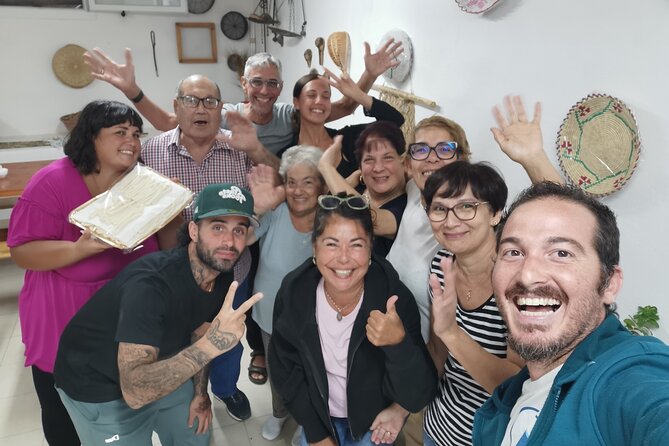
You also get a strong guiding hand from Davide, with Leonarda and other family members welcoming you into their home. The hands-on pasta work (including traditional shapes and tools) turns you from an observer into part of the day—messy in a good way.
One thing to consider: this is a long, active food day. There’s real cooking, sampling, and a village stroll, plus some mountain driving—so it’s best if you’re comfortable spending most of your time doing rather than just sightseeing.
In This Review
- Key highlights you’ll care about
- A small-group Sardinia food day built around Montresta life
- Stop 1: Villanova Monteleone road time and an early sense of inland Sardinia
- Stop 2: Cooking in Montresta with Leonarda and the family kitchen
- Meeting the hosts, starting with food before you even cook
- Pasta-making with traditional tools and shapes
- Making ricotta and understanding the dairy cycle
- Dessert, honey, wine, and the food you just made
- The village walk and the “Blue Zone” discussion
- Stop 3: The drive back with cliff-and-canyon views toward Alghero
- What makes this farm-to-table in Sardinia feel different
- You don’t just taste; you participate
- The ingredients are local in the most literal way
- The “off-grid” feel is part of the value
- Price and value: what $168.58 buys you in the real world
- Who should book this and who should skip it
- Quick practical tips before you go
- Should you book this Montresta farm-to-table experience?
- FAQ
- How long is the farm-to-table cooking experience?
- What time does it start, and where do I meet?
- What’s included in the price?
- How many people are in the group?
- Is the experience offered in English?
- What is the cancellation policy?
Key highlights you’ll care about
- Max 8 people: small-group pace, more questions, less waiting around.
- Hands-on pasta and dairy: expect to make multiple items, not just watch.
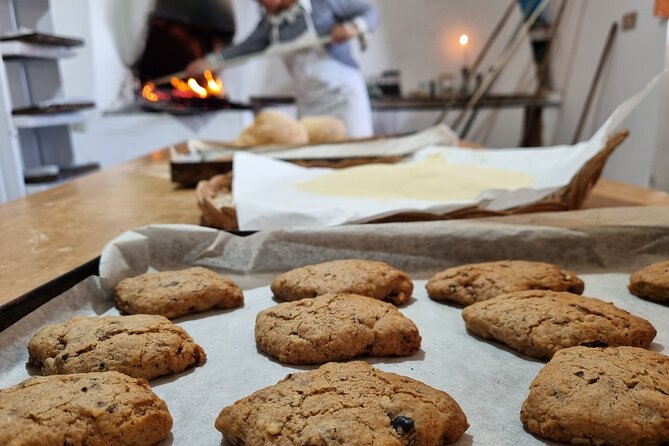
- Wood-oven and local ingredients: bread, cheeses like ricotta, and seasonal products from the area.
- Davide’s storytelling: history, daily mountain life, and practical context for what you’re eating.
- Small-village walk in Montresta: you leave with a sense of how the village is changing.
A little more Sardinian cooking and Vermentino
- Cooking Class in a Secret Courtyard – Culurgiones (Sardinian Pasta)★ 4.5 · 55 reviews
- Cagliari Olive Oil Farm & Tasting (Since 1600, 20 Minutes Away)★ 5.0 · 26 reviews
- Archeology, visit to a vineyard and wine and pecorino cheese tasting★ 5.0 · 19 reviews
- Visit to the dairy★ 5.0 · 16 reviews
A small-group Sardinia food day built around Montresta life
If you’re chasing the kind of day where the food has a story attached to it, this is one of the better ways to do it in Sardinia. The plan centers on Montresta, a tiny mountain village (under 400 residents), and the family who shares their home and kitchen with you.
The group stays small—up to 8 people—and the format feels intimate. You’re not shuttled through rooms at ten different stops. Instead, you get time to cook, eat, talk, and then take an unhurried stroll.
And yes, the language piece matters: the tour is offered in English, and the guide (Davide) handles the explanations so you can follow what’s happening in the kitchen without feeling lost.
Stop 1: Villanova Monteleone road time and an early sense of inland Sardinia
The day starts with a scenic provincial road drive, and one of the first named stops is Villanova Monteleone. This part is short—around 30 minutes—but it sets the tone. You’re moving away from coast-mode and into inland mountain rhythms.
What makes this useful for you is timing and context. Early on, you get the kind of background that helps the later village experience land better. Instead of arriving in Montresta and having it feel random, you start the day with a sense of what you’re looking at and why it’s different from the coast.
The one consideration here is simple: it’s still a drive day. If you hate being in a car before you’ve even had your coffee, you might wish this opening segment were longer—but most people find the views and orientation worth it.
Stop 2: Cooking in Montresta with Leonarda and the family kitchen
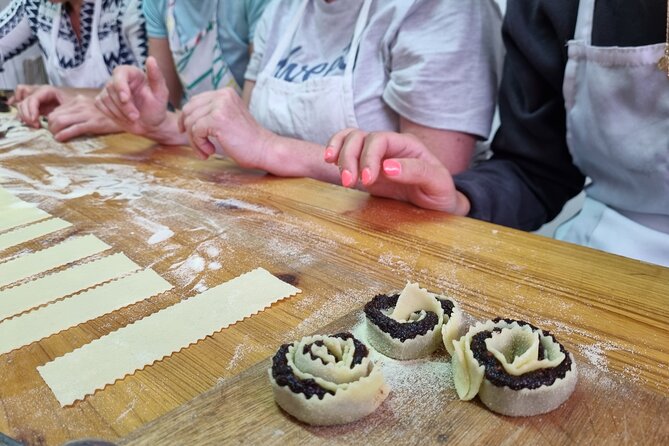
This is the heart of the day, about 5 hours in Montresta. You’re heading up into the hills to meet a shepherd family at their home, and the “cooking class” part is very much real participation.
Meeting the hosts, starting with food before you even cook
When you arrive, you’re not handed an instruction sheet and sent to your station. You’re welcomed with coffee and homemade cakes, and there are usually already treats on the table—fresh bread baked in a wood oven is specifically mentioned, along with things like bruschetta.
That matters because it changes your mindset. You start the day eating, chatting, and settling in. By the time you start making pasta, you feel like you belong to the flow of the household rather than being a visitor clocking tasks.
Learn to cook it yourself: more Sardinia classes
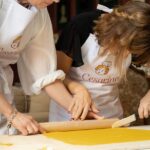
Pasta-making with traditional tools and shapes
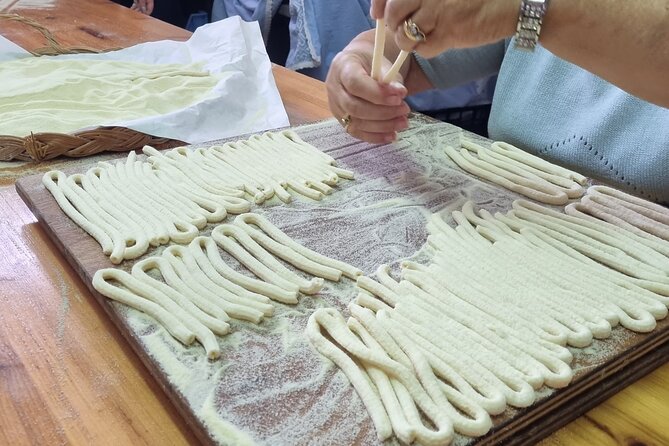
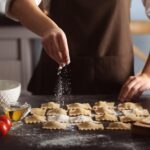
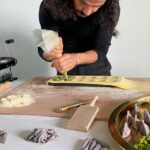
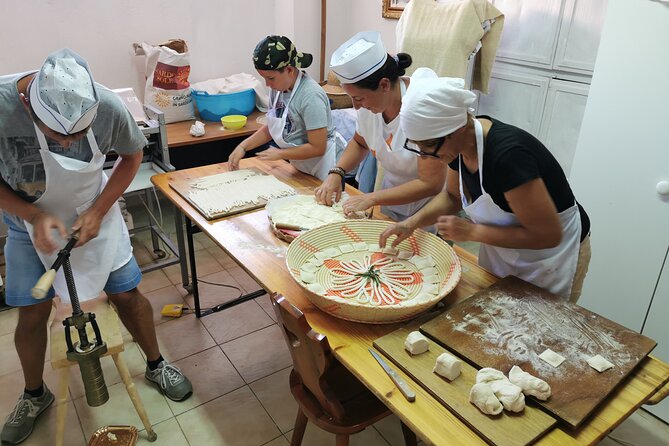
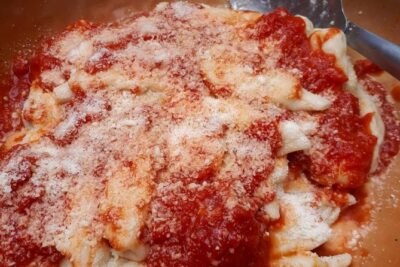
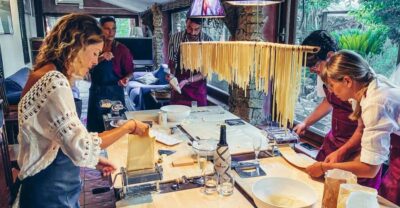
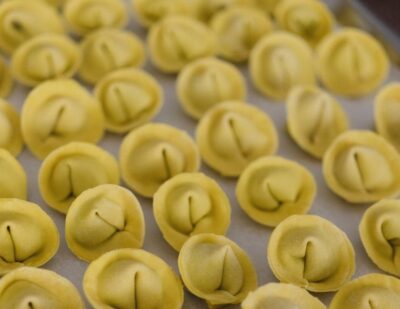
The kitchen work is hands-on and structured around local ingredients. You can expect multiple pasta preparations, including ravioli filled with eggs, ricotta, and pecorino (made or grown by the family), plus other pasta shapes using traditional methods.
From the details shared, you’ll likely work with semolina and traditional shaping tools. Some shapes mentioned include:
- simpler shapes made with everyday tools like a fork
- traditional Malloreddus using a wicker mat or butter pat
- pasta made with an older press called a torchio (described as a sit-down press)
Even if you don’t consider yourself a strong cook, this format is friendly because you’re learning by doing, with the family guiding and the guide translating.
Making ricotta and understanding the dairy cycle
This experience also touches dairy in a practical way. Ricotta is made by hand, using warm milk. In at least one description, you can also find steps like pressing curds into cheese.
The best part is the “nothing wasted” attitude. You might hear how whey is saved for pigs, and how other byproducts are reused around the farm. That’s not just trivia—it explains why the food tastes the way it does. It’s part of living close to the land, not buying everything processed and labeled.
Dessert, honey, wine, and the food you just made
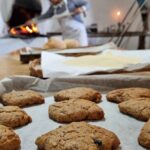
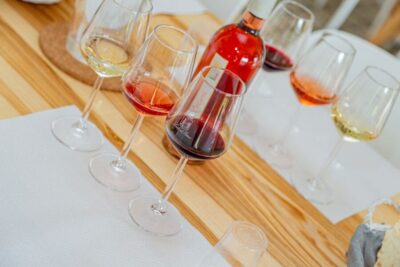
After pasta and dairy work, the meal comes together with what you produced. You can expect dessert such as semolina cookies and local honey, and there’s also mention of local wine being served with the shared lunch.
Lunch itself is typically a full plate: the pasta you make is paired with something like a veal ragout, plus bread and more local products, followed by dessert.
I love how the day rewards you in sequence. First there’s the work, then tasting your own results. It turns the meal into a payoff rather than an afterthought.
The village walk and the “Blue Zone” discussion
After cooking and lunch, you’ll take a leisurely stroll through Montresta with Davide. This is where the day expands beyond food.
One of the specific themes mentioned is the idea that this area is part of a Blue Zone—not a vague label, but something the hosts and guide link to daily habits and how people live. You also get conversation about rural change, including depopulation and loss of skills, plus why keeping traditions matters.
If you care about sustainability in a real-world way, this section helps. It’s not just about ingredients; it’s about how communities survive and what changes when younger generations move away.
Stop 3: The drive back with cliff-and-canyon views toward Alghero
The last segment is about 30 minutes, tied to Alghero and the scenic road movement through cliffs and canyons in the Mediterranean area. The tour describes this as a road exploring natural features between Bosa and Alghero, so you get a quick, visual finish to match the food-and-culture main event.
Is this the time for photos? Yes, if you’re the kind of person who stops to look at rock shapes, coastal views, and mountain edges instead of rushing back to the beach.
The drawback is that it’s short. If you want long photo breaks or a full sightseeing hit list, this tour won’t be that. It’s designed as a single anchored day in Montresta, with driving time used as context—not a replacement for a separate nature day.
What makes this farm-to-table in Sardinia feel different
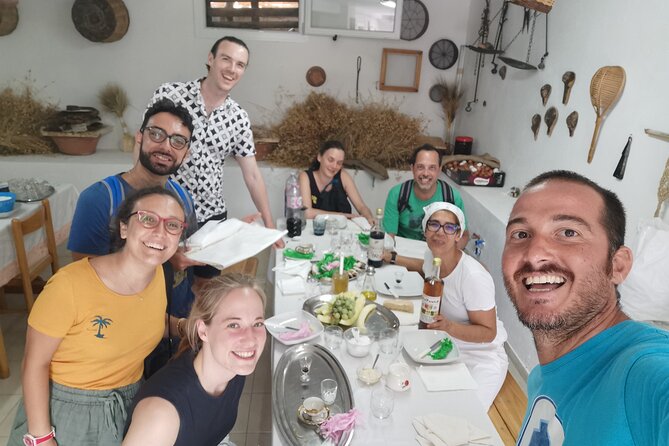
A lot of food tours say farm-to-table. This one does better, mainly because you see the human and farm connections in the workflow.
You don’t just taste; you participate
The most praised element across the experience details is that you roll up your sleeves and get to do real prep: multiple pasta types, shaping, and even dairy steps like ricotta.
That has a practical benefit for you. You learn what ingredients do (texture, flavor, timing) and you leave with a memory stronger than just a full belly.
The ingredients are local in the most literal way
The family uses products they grow or make nearby. Details include pecorino cheese, ricotta, honey, wine, and local flour. There are also mentions of seasonal products like porcini and wild boar as part of what gets used in dishes and tasting.
Even where you might not recognize every ingredient, the experience makes it easier to understand why they fit together. You taste the region as a system, not as scattered food samples.
The “off-grid” feel is part of the value
This is described as an experience in a small village home and workshop, not a polished venue. That off-grid feel is exactly why it’s memorable: conversations run long enough to matter, and the cooking doesn’t feel like a script.
It also explains why the lunch isn’t a bland set menu. It’s built around what the household and immediate locality have available.
Price and value: what $168.58 buys you in the real world
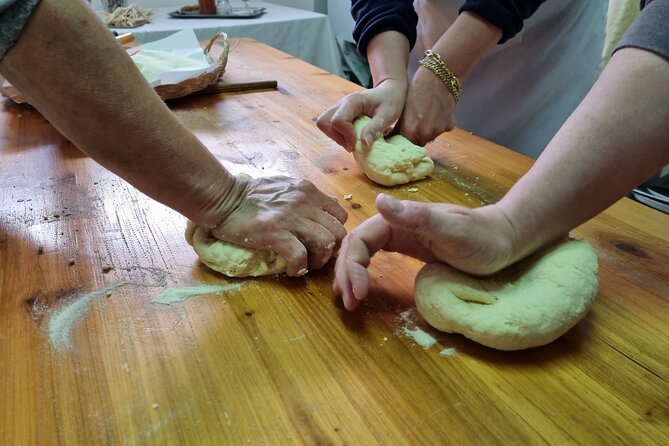
At $168.58 per person for about 6 hours, you’re paying for several things bundled together:
- lunch featuring typical Sardinian products
- transportation
- a multilanguage local guide, offered in English
- a small group limit (max 8)
If you compare this to doing pasta-making elsewhere on the island, the value often comes down to access. Here you’re hosted at a family home in Montresta, and you’re learning alongside the people who make the food part of their daily life.
The other value lever is time. A half-day cooking class is one thing. Spending about five hours in the village, plus driving and a guided walk back, means you get the full arc: welcome, work, lunch, then context.
If your budget is tight, you could decide this is a “one big food day” rather than something you stack with other premium activities. But for a hands-on culinary and cultural morning-to-afternoon plan, the price makes sense.
Who should book this and who should skip it
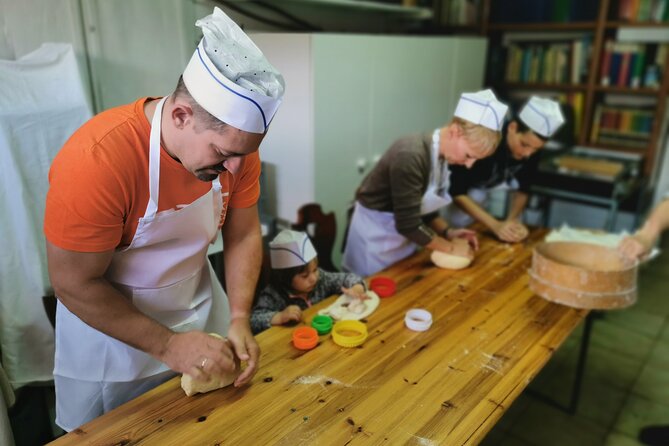
This experience fits you best if you want:
- a small-group day with real participation
- pasta-making that includes traditional shapes and tools
- a family-hosted lunch rather than a restaurant meal
- stories about rural life and sustainability in the inland part of Sardinia
It might be less ideal if:
- you want mostly passive sightseeing
- you hate long drives and don’t like structured schedules
- you’re looking for a quick stop-and-snack experience
One more practical point: come ready to eat. Multiple parts of the day involve tasting and full meal components, and you’ll likely be working with dough and dairy prep where you don’t want to start the day underfed.
Quick practical tips before you go
- Wear comfortable clothes you don’t mind getting flour on. Even with care, this kind of pasta day is hands-on.
- Plan for warm weather if you’re visiting in summer months, since the village walk and outdoor steps can mean direct sun.
- Ask your guide if you have dietary needs. The tour data doesn’t spell out specific accommodations, so it’s smart to confirm early.
If you’re the type who likes to ask questions, this day rewards that. Davide’s role is not just translation; he also connects what you’re doing with the local geography and how people live up there.
Should you book this Montresta farm-to-table experience?
I’d book it if you want a genuine food-and-people day in Sardinia’s inland hills, not a cookie-cutter cooking session. The strongest selling points are the small group size, the hands-on pasta and dairy work, and the fact that the meal is built from what happens in the kitchen and garden.
Also, if you’re curious about why this part of Sardinia still preserves traditional methods—and what’s changing—you’ll get that context through the village stroll and conversations with hosts like Leonarda (and family members such as Ica, Ina, and Lorenzo, depending on the day).
If you want a beach-first itinerary with minimal commitment, this probably isn’t the day to choose. But for a food-focused cultural experience in Sardinia, it’s the kind of day that sticks.
FAQ
How long is the farm-to-table cooking experience?
It lasts about 6 hours.
What time does it start, and where do I meet?
It starts at 9:00 am. The meeting point is Via Lido, 73, 07041 Alghero SS, Italy.
What’s included in the price?
The price includes lunch with typical Sardinian products, transportation, and a multilanguage local guide.
How many people are in the group?
The tour has a maximum of 8 travelers.
Is the experience offered in English?
Yes, it’s offered in English (and also described as multilanguage).
What is the cancellation policy?
You can cancel for a full refund up to 24 hours before the experience’s start time. Free cancellation is offered if you cancel at least 24 hours in advance.
Cook It Yourself: Sardinia Classes
More Tour Reviews in Sardinia

More Sardinian Tables and Cellars
New in from around Sardinia
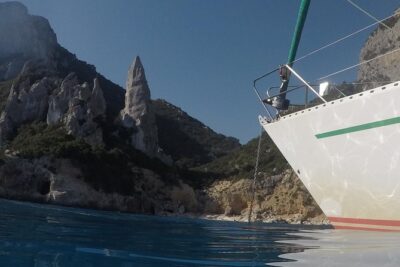
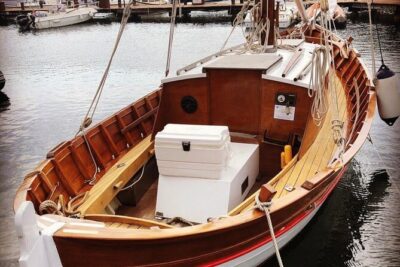
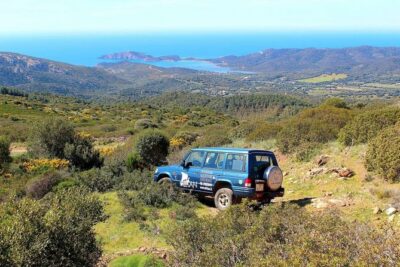
Sardinian Food, Wine & Vermentino, compared.
 ★ 4.7Olbia: Gallura Winery Guided Tour with TastingFrom $61451 reviews
 ★ 5.0Culurgiones Cooking Class CagliariFrom $96321 reviews
 ★ 4.8Alghero: Wine and Olive Oil Tasting at a Local FarmFrom $43294 reviews
 ★ 5.0Guided Wine and Olive oil tastingFrom $40158 reviews
 ★ 4.9Alghero: Sardinian Home-Cooking Class and MealFrom $123138 reviews
 ★ 4.6Olbia: Chef-Prepared Sardinian Tapas Tasting with WineFrom $7384 reviews
 ★ 4.5Olbia: Traditional Pasta-Making Guided WorkshopFrom $11473 reviews
 ★ 5.0LONGEVITY TOUR: Pasta Class&BlueZone Secrets with Simonetta BazzuFrom $18169 reviews
Browse the lists this tour appears in