
Reviewed · ALGHERO & THE CORAL COAST
Alghero: Wine and Olive Oil Tasting at a Local Farm
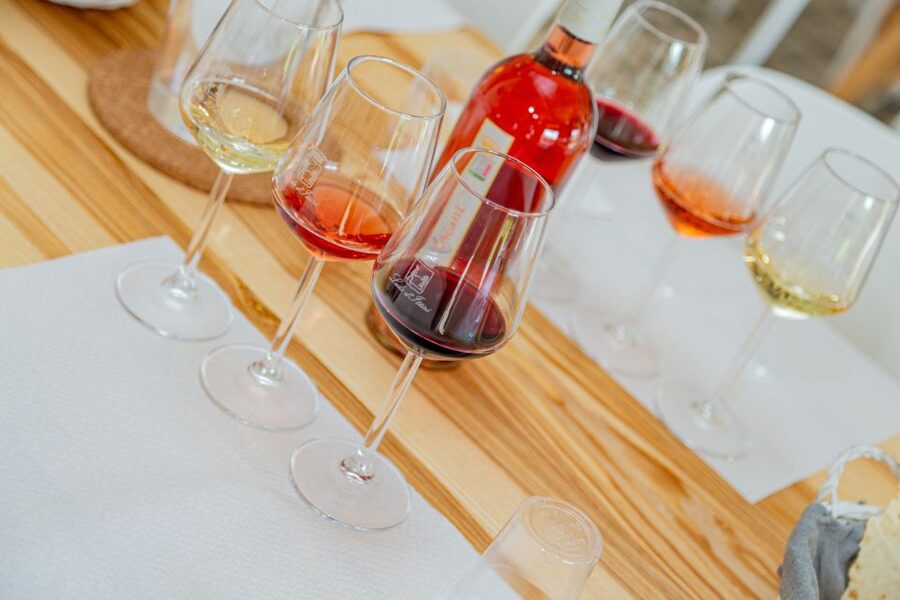
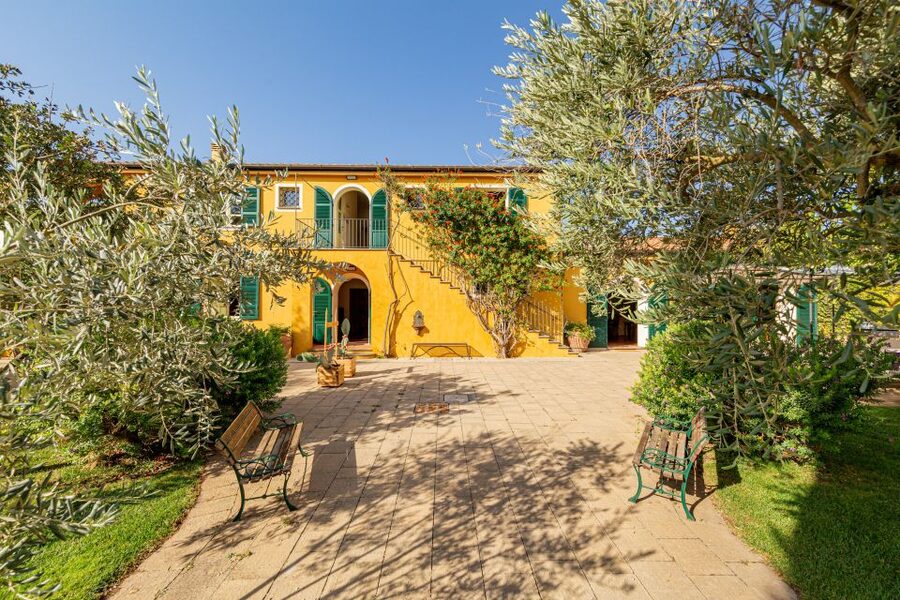
Sardinia tastes better when you walk the rows. At Ledà d’Ittiri Wine Resort, you’ll get a guided tasting of five local wines paired with Sardinian pecorino cheese, homemade table olives, and traditional bread. The setting is small and farm-focused, so the whole hour feels more like a real stop on someone’s land than a big production.
Two things I really like: the food-and-wine pairing style (not just sipping, but tasting with purpose), and the way the guide connects the wines to local farming—vines, olive trees, and the details behind each pour. One consideration: you’ll need your own plan to get there, since there’s no public transport in the area and the farm is about 10 km from Alghero.
Key highlights
- Five wine samples explained with grape variety, aroma, flavor, and suggested pairings
- Pecorino cheese + olives + bread served in small bites that match each wine
- Extra-virgin olive oil proof with traditional cold-press technique and bread
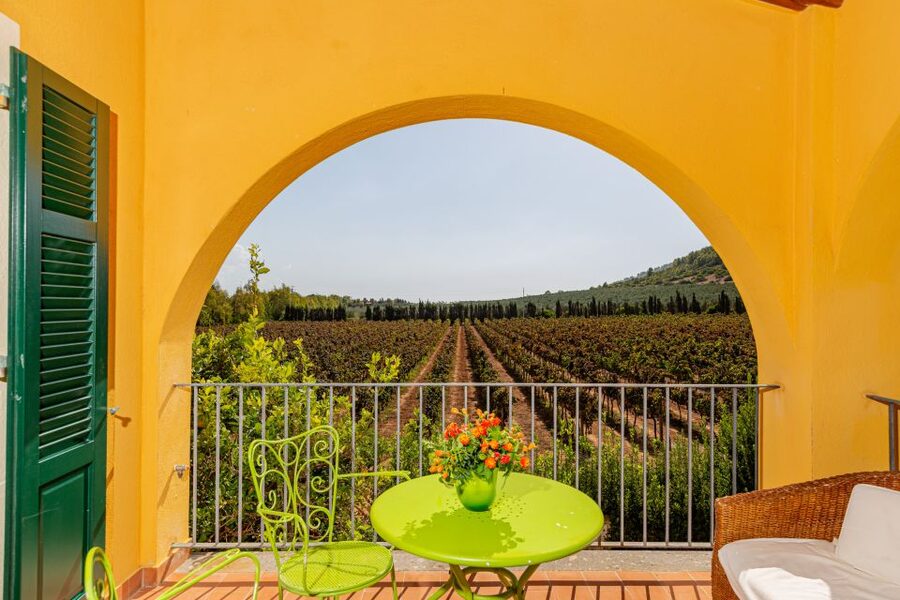
- Vineyard and olive grove walking time for photos after the tasting indoors
- English-speaking guide leading the whole experience at a small boutique farm
In This Review
- Why Ledà d’Ittiri feels more like a real Sardinian farm stop
- Arriving at the farm: what your 1-hour tasting really includes
- The tasting room setup: five glasses, prepped bites, and a clear flow
- Sardinian wine lessons you can actually use when you order later
- Pecorino, olives, and bread: why the pairing matters
- The olive oil “proof”: cold pressing and simple bread
- Walk the vineyards after the tasting (and consider the longer yard tour)
- Price and value for $43: what you’re paying for
- Getting there from Alghero: plan transport before you book
- Who this is best for (and who should skip it)
- Should you book this Alghero wine and olive oil tasting?
- FAQ
- How long is the wine and olive oil tasting?
- How many wines will I sample?
- Are food pairings included?
- Is transportation from Alghero included?
- Where do I meet the tour?
- Is the tasting indoors?
- Can children attend?
- Is it wheelchair accessible?
- Can I bring pets or record video?
- Is there time after the tasting to walk or shop?
Why Ledà d’Ittiri feels more like a real Sardinian farm stop
This experience is built around something Sardinia does well: using what grows there, then turning it into food you actually want to eat. You’re not just tasting liquids in a room. You’re tasting what happens when vines and olive trees are treated as a long-term craft.
Ledà d’Ittiri is a boutique wine resort, but the focus is still farming. It’s the kind of place where the story matters: how local traditions shape the wines, how olives become oil, and how the farm runs at a guest-friendly pace. A few reviewers also mention the producer is small and focuses on selling enough wine for their on-site guests each year, which fits the vibe you get when you’re at a table already set for tastings.
If you’re a wine beginner, this is also approachable. The guide doesn’t have to “prove” anything with jargon. The goal is to help you notice the differences: what the wine smells like, what it tastes like, and what it goes best with.
Around Alghero and the Coral Coast
- Alghero: Sunset Sailing Aperitif Experience★ 4.9 · 367 reviews
- Alghero – Dolphin Watching and Guided Snorkeling (summer tour)★ 5.0 · 311 reviews
- Alghero: Wine and Olive Oil Tasting at a Local Farm★ 4.8 · 294 reviews
- Porto Conte: Half-day catamaran tour with aperitif★ 4.8 · 228 reviews
Arriving at the farm: what your 1-hour tasting really includes
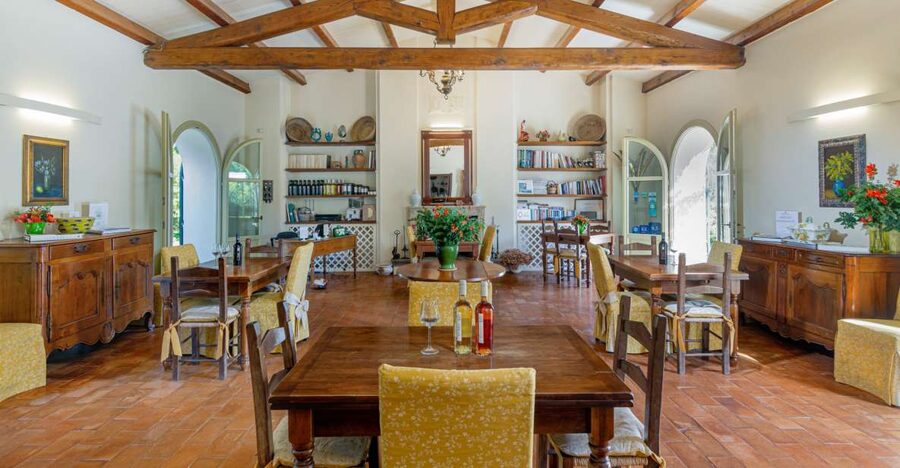
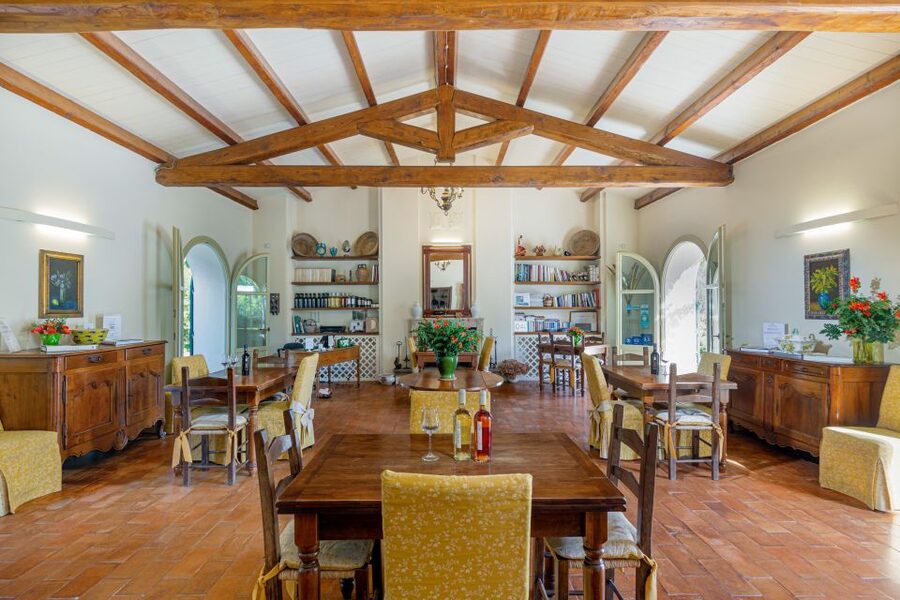
You start at Wine Resort Ledà d’Ittiri. The instruction is to follow the Wine Resort sign and arrive about 10 minutes early so you can settle in before the tasting begins. You’ll be directed to your table in the tasting room by your guide.
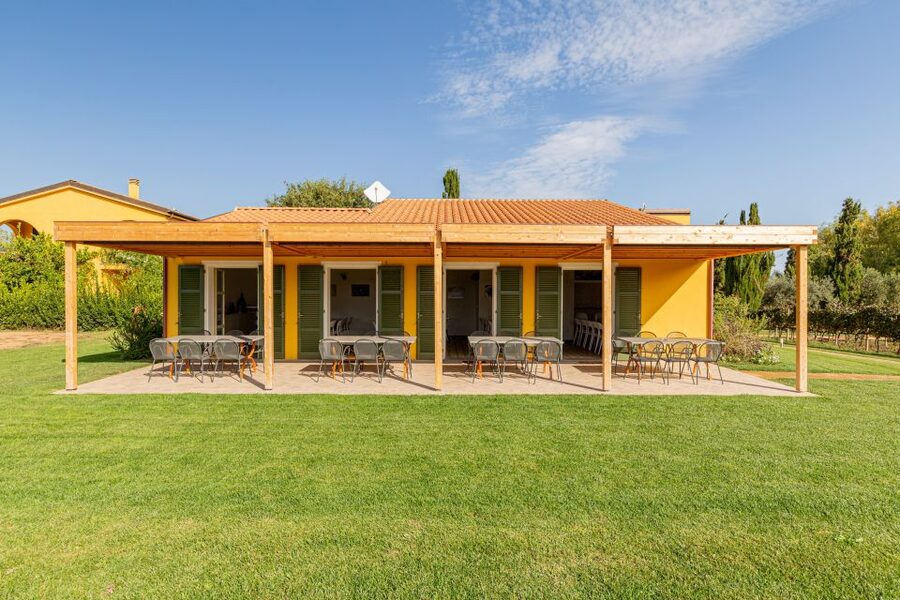
Even though the total duration is about 1 hour, the experience is paced so you don’t feel rushed. Your table is set ahead of time with five different glasses, plus a small tray of appetizers meant to pair with each wine. Water is on the table too, which matters because tasting works best when you can reset between pours.
Then the guide leads you through the farm context first—history of the farm, what’s special about the local area, and how local culture connects to the wines and olive oil. After that comes the guided tasting, wine by wine.
Finally, the session ends with the olive oil “proof” served with traditional bread. After the tasting, you get a little breathing room and time for shopping at the venue.
The tasting room setup: five glasses, prepped bites, and a clear flow
One of the most practical parts here is how they stage the tasting. When you sit down, everything is already laid out: five glasses, bread, water, and small bites designed to match what you’re drinking. That means you can pay attention instead of trying to figure out what’s coming next.
The guide starts the session by explaining each wine in a way you can follow: grape variety, what you might notice in the perfume (aroma), how it tastes, and which foods work best with it. You’re tasting in sequence, so your palate has time to adjust as flavors change.
Food is not an afterthought. The pairing elements rotate through the tasting: pecorino cheese, olive oil and olives, and traditional bread. This is the part I’d call “learnable.” After a tasting like this, you’ll often understand why certain wines work with salty cheese, and why olive oil can make a wine taste either rounder or sharper depending on the pour.
A helpful small note: the tasting happens indoors, so weather isn’t the main issue. You still should wear comfortable shoes for the vineyard walk afterward.
Sardinian wine lessons you can actually use when you order later
You’re tasting five wines, and the guide frames each one with practical tasting cues. You’ll hear about grape types and what to expect in aroma and flavor. That turns the tasting from random sips into something you can remember—especially if you’re the type who likes to compare wines side by side.
What I like most about this format is that it teaches you a method. You’re not expected to be a wine expert. Instead, you learn how to read the wine: how perfume can signal fruit or floral notes, how taste can shift from light to structured, and how pairings can pull flavors into focus.
One bonus mentioned in reviews is that the guide sometimes shares local context beyond wine—like how the vineyard’s microclimate affects the grapes, plus history related to the area (including references to local dialects in Alghero). That kind of story doesn’t feel like trivia. It helps explain why the wines have a particular character in this region.
If you’re planning a longer Sardinia trip, this is the kind of tasting that improves what you notice at wine shops and restaurants afterward.
Pecorino, olives, and bread: why the pairing matters
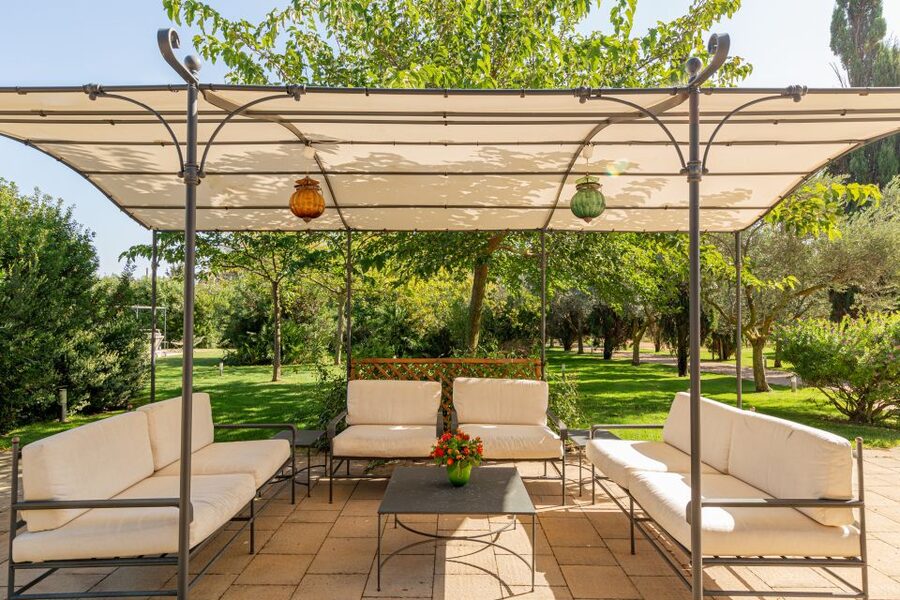
Wine is the headline, but the supporting cast is where you’ll feel the value. You’ll taste local pecorino cheese paired with the wines, along with traditional table olives and bread that are part of the tasting rhythm.
Here’s why that matters: pecorino is salty and sharp, and it can either clash with the wrong wine or make the whole tasting taste cleaner. The olives add brininess and earthy flavor, and bread works as a palate reset. This isn’t “snacks on the side.” It’s part of how you understand what each wine is doing.
A lot of strong reviews specifically call out the cheese pairings and the olive oil quality, which matches the way the tasting is structured: you’re constantly going back and forth between wine and bites, so the pairing is real-time, not theoretical.
Also, the small bites are a good sign for comfort. You’re not dealing with heavy meals. It stays light, which makes the full hour feel more like an enjoyable guided tasting than a formal dinner.
A little more Sardinian cooking and Vermentino

The olive oil “proof”: cold pressing and simple bread
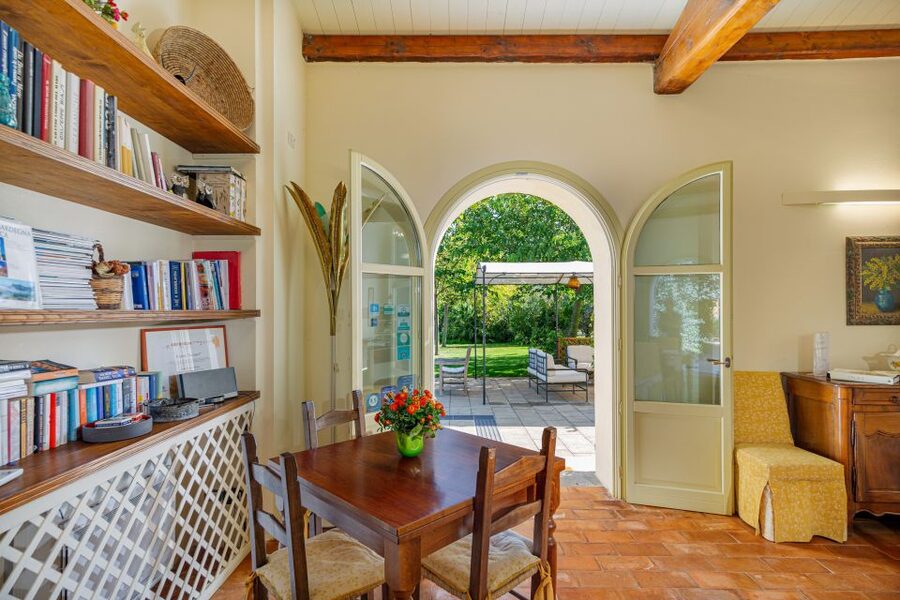
The tasting wraps up with an extra-virgin olive oil “proof.” The oil is prepared using traditional cold pressing techniques and served with bread.
This part is worth taking seriously. Cold-pressed extra-virgin olive oil is often where you can taste freshness and complexity—peppery notes, green-fruit character, or a more mellow finish depending on the olive varieties and processing. Even if you’ve had olive oil before, tasting it in a focused way changes how you read what’s in the bottle at home.
Served with bread, it’s not complicated. The point is to taste the oil on its own, then understand how it fits the flavors you’ve been sampling all hour.
If you buy anything at the end (and many people do), this is also the section that helps you decide what you actually like, not just what sounds good on a label.
Walk the vineyards after the tasting (and consider the longer yard tour)
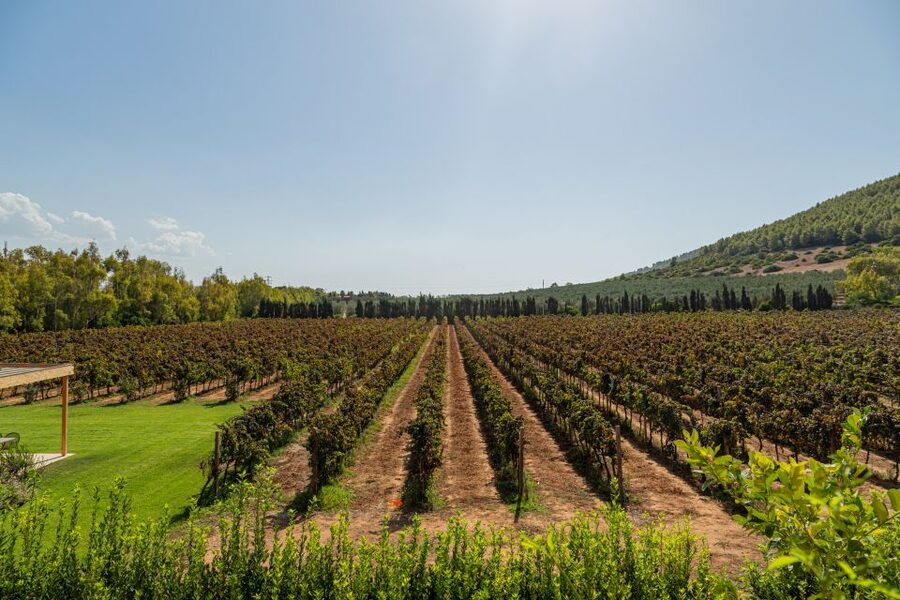
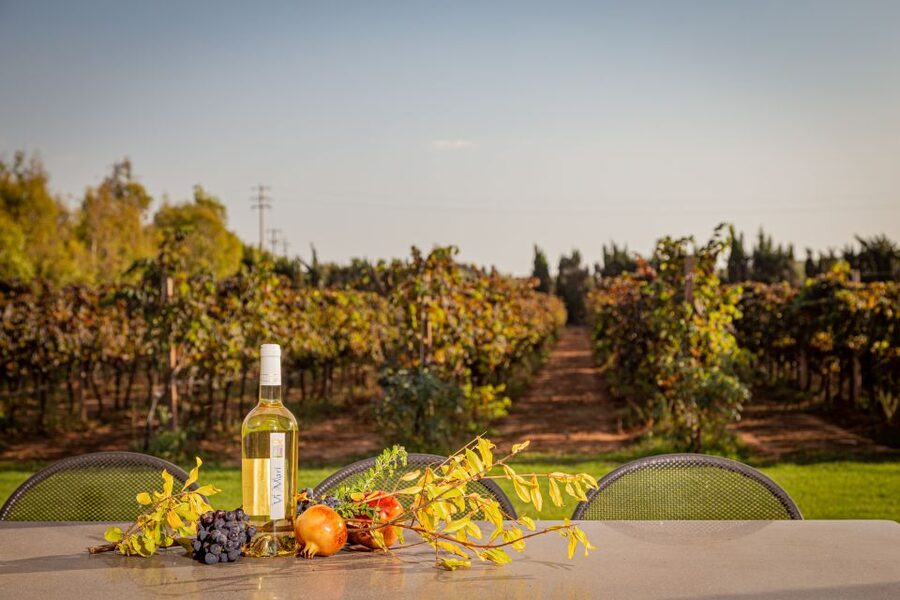
Your tasting is indoors, then after it ends, you can take your own walk through the vineyard and olive trees to take pictures. This is the decompression moment. You leave the tasting room and suddenly it’s easier to understand what you just tasted because you’re standing near the source.
One practical catch: the experience includes time for walking, but you should still wear shoes you’re comfortable in. You’re on a working farm, not a flat boardwalk.
There’s also an optional add-on some people mention: a guided tour around the wine and olive yard for an extra €5 per person. Reviewers say this option is worth it because it extends the time and adds extra detail. Some also mention an additional glass during that longer yard tour, though that detail isn’t guaranteed for everyone, so treat it as a nice possible perk rather than a sure thing.
If you care about the farming side—how vines are laid out, how olive trees grow, and how micro-conditions influence production—go for the longer yard tour if it’s available when you book.
Price and value for $43: what you’re paying for
At $43 per person, this isn’t the cheapest thing you can do around Alghero. But it’s also not overpriced when you look at what’s included.
You get:
- Guided tasting (English) with a structured walkthrough
- Five wine samples
- Pecorino cheese plus traditional bread and small appetizers
- Olive oil samples, served with bread
- Water during the tasting
- Free parking
The value is in the pairing and the guidance. A tastings-only event where you stand in a corner and do quick pours usually feels lower value. Here, the table is set up for a timed, guided experience, and the guide explains what you’re tasting as you go.
Also, the small-producer feel matters. When a farm can talk about how much they produce and how they sell to their on-site guests, your tasting becomes more direct and less mass-market.
Bottom line: if you like food pairings and want something genuinely Sardinian beyond the generic “wine tasting,” $43 can feel fair.
Getting there from Alghero: plan transport before you book
This is the part that can quietly make or break your day.
The farm is about 10 km from the Alghero center, and there’s no public transport in the immediate area. You’ll reach the farm by rental car, taxi, or bicycle.
Taxi is straightforward if you want a simple plan, and one review notes taxi time/cost from Alghero (around €30 each way), which gives you a rough idea. If you’re already renting a car in Sardinia, this is a good easy add-on.
If you’re biking, keep in mind you’ll be going out and then later returning after wine and olive oil—so make sure you’re comfortable with the ride before you commit.
And do not ignore the farm gate closing time: it closes at 7:00 PM. If your schedule runs late, you could end up missing the start.
Who this is best for (and who should skip it)
This tasting is best for adults who enjoy a guided food-and-drink experience and want to learn something that connects to local farming. If you’re on a honeymoon or traveling as a couple, it also reads as a great “shared experience” that feels relaxed and personal.
It’s not for kids. Children are not admitted in the tasting room, and it’s not suitable for children under 18. There’s also no pets allowed.
If you’re someone who likes to take photos, you’ll have that chance after the tasting during the walk. Video recording isn’t allowed, though regular photos for memories should be fine.
Wheelchair accessibility is listed, so if mobility is a factor, you can consider it—though you’ll still want to confirm comfort with outdoor paths if you plan to do the walk.
Should you book this Alghero wine and olive oil tasting?
If you want a short, high-impact experience that mixes five Sardinian wines with real local food pairings—pecorino cheese, olives, bread—and ends with cold-pressed extra-virgin olive oil, this is worth booking.
I’d especially recommend it if you like small farms, guided context, and tastings where you sit at a table and actually taste in sequence. The biggest reason not to book is logistical: if you don’t have a car, taxi plan, or a realistic bike plan, getting there can take the fun out of the experience.
If your schedule is flexible, bring comfortable shoes, arrive about 10 minutes early, and set aside time afterward to shop for the bottles and olive oil you truly liked. That’s usually the best souvenir: something you can taste again at home and remember the place you first understood it.
FAQ
How long is the wine and olive oil tasting?
The experience lasts about 1 hour.
How many wines will I sample?
You’ll taste five different wines during the guided tasting.
Are food pairings included?
Yes. You’ll get traditional bread, small appetizers, and pecorino cheese to pair with the wines, plus olive oil samples.
Is transportation from Alghero included?
No. Transportation isn’t included, and public transport isn’t available in the area.
Where do I meet the tour?
Follow the Wine Resort sign to the meeting point at Wine Resort Ledà d’Ittiri. Arrive about 10 minutes before the start.
Is the tasting indoors?
Yes. The tasting takes place indoors, so it isn’t affected by inclement weather.
Can children attend?
No. Children are not admitted in the tasting room, and it’s not suitable for children under 18.
Is it wheelchair accessible?
Yes, the experience is listed as wheelchair accessible.
Can I bring pets or record video?
Pets aren’t allowed, and video recording isn’t allowed.
Is there time after the tasting to walk or shop?
After the tasting, you’ll have time for a short break and then shopping, and you can also take a walk through the vineyard afterward to take pictures.
More Tour Reviews in Alghero




More Sardinian Tables and Cellars
Alghero and the Coral Coast

New in from around Alghero

Alghero & the Coral Coast, compared.
 ★ 4.9Alghero: Sunset Sailing Aperitif ExperienceFrom $65367 reviews
 ★ 5.0Alghero – Dolphin Watching and Guided Snorkeling (summer tour)From $78311 reviews
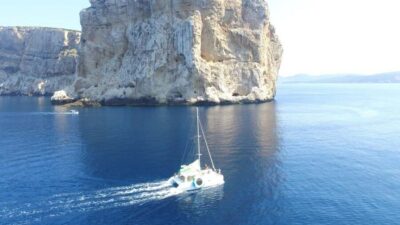 ★ 4.8Porto Conte: Half-day catamaran tour with aperitifFrom $91228 reviews
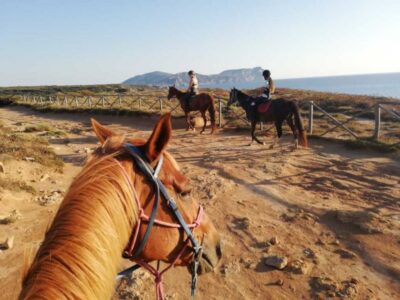 ★ 4.7Alghero: Guided Horseback Ride at Lake Baratz & Porto FerroFrom $98201 reviews
 ★ 4.7Alghero: Dolphin Watching Tour with Marine ResearcherFrom $59172 reviews
 ★ 4.9Alghero: Guided Quad Tour with Swim StopFrom $215152 reviews
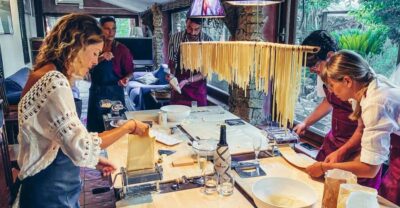 ★ 4.9Alghero: Sardinian Home-Cooking Class and MealFrom $123138 reviews
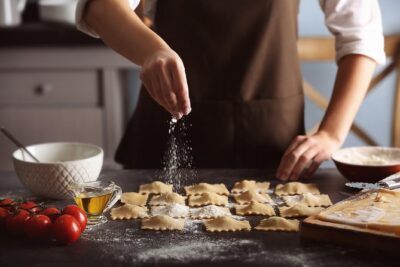 ★ 5.0Alghero Home Cooking Pasta Class at a Farmhouse with WineFrom $131130 reviews
Browse the lists this tour appears in