
Reviewed · SARDINIAN FOOD, WINE & VERMENTINO
Cagliari Olive Oil Farm & Tasting (Since 1600, 20 Minutes Away)
Olive oil can be educational and fun. You’ll get a live EVO mill production tour plus a guided tasting of three bestsellers in a small setting, and it’s run by a real farm family. One thing to consider: this works best if you enjoy hands-on learning and tasting, not if you’re looking for a quick, hands-off stop.
This experience is based in Dolianova, about 20 minutes from Cagliari, with departures at 10am, 12pm, 3pm, and 5pm and a maximum group size of 10 people. The tour is offered in English, with a mobile ticket you can show on your phone. Expect it to run around 1 hour to 90 minutes, depending on the flow of the day.
In This Review
- Key things to know before you go
- Entering an olive farm that feels like a family workshop
- Sa Mola de su Notariu Oil Museum and the 400-year thread
- Seeing EVO mill production live (and why it matters)
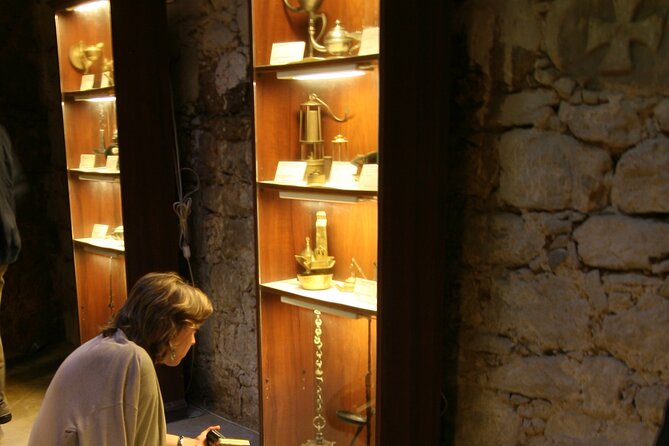
- Underground oil cistern and ancient oil lamps
- The tasting that trains your palate: three oils, three roles
- Olio del Tempio
- Limolio (olive + lemon)
- Rogo del Tempio EVO (9 Sardinian herbs, spicy)
- What you should look for while tasting
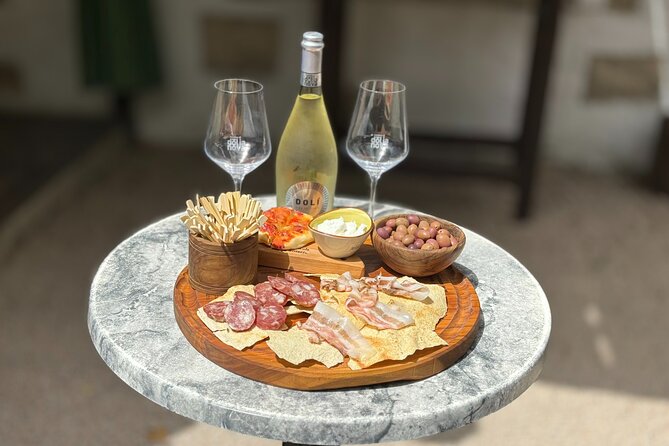
- The food pairing: cured meats, wine, olives, carasau, and pizzette
- Buying direct with a 20% discount you’ll actually use
- Price and timing: is $66.26 worth it?
- Who should book this olive oil masterclass, and who might skip it
- Quick practical tips before you go
- Should you book Sa Mola de su Notariu Olive Oil Tasting?
- FAQ
- How long is the Cagliari olive oil farm and tasting experience?
- Is the tour offered in English?
- What do I taste during the guided tasting?
- What food is included with the olive oil tasting?
- How big are the groups?
- What happens if the weather is bad?
Key things to know before you go
- Live EVO mill production tour: you’ll see how the oil actually gets made, not just read about it.
- Sa Mola de su Notariu Oil Museum: a museum stop tied to 400 years of family history.
- Underground oil cistern with ancient oil lamps: a low-light, cool-toned change of pace.
- Guided tasting of three bestsellers: Olio del Tempio, Limolio, and the herb-forward Rogo del Tempio.
- Sardinian food pairing with wine and carasau bread: you taste the oils where they make sense on a plate.
- Buy direct on-site with a 20% discount: you can take bottles home right after tasting.
A little more Sardinian cooking and Vermentino
- Cooking Class in a Secret Courtyard – Culurgiones (Sardinian Pasta)★ 4.5 · 55 reviews
- Cagliari Olive Oil Farm & Tasting (Since 1600, 20 Minutes Away)★ 5.0 · 26 reviews
- Archeology, visit to a vineyard and wine and pecorino cheese tasting★ 5.0 · 19 reviews
- Visit to the dairy★ 5.0 · 16 reviews
Entering an olive farm that feels like a family workshop
Cagliari is great for food and sea views, but this tour gives you a different angle: the land side of Sardinia. When the setting is an operating olive oil operation, the lesson clicks faster because you’re standing where the production happens.
What I like about this format is the pacing. You’re not rushing from one room to the next. You get the visual context first (museum and production), then your taste buds get put to work during the tasting.
The other plus is the small group size of 10 travelers max. That matters because good tasting is interactive. You’ll be able to ask questions and keep up with the guide while you sample.
Sa Mola de su Notariu Oil Museum and the 400-year thread
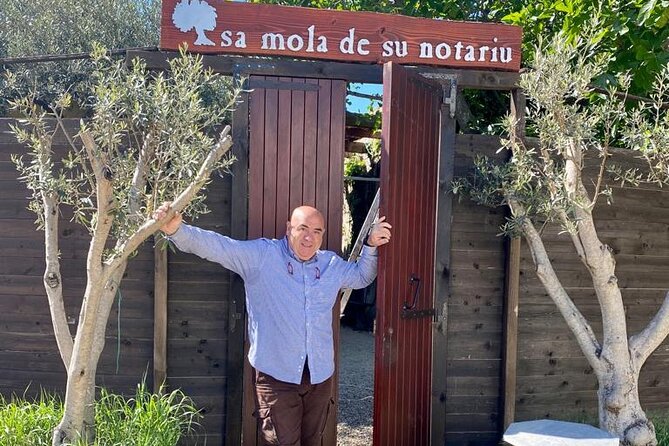
The tour starts at Sa mola de su notariu Oil Museum (Olio del Tempio). This part is where the experience becomes more than a tasting.
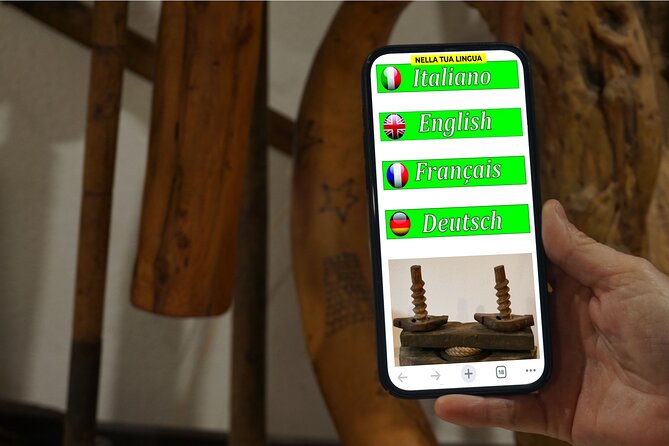
You’ll see the story of the olive oil family operation laid out through museum-style displays. In practice, it’s a guided walk through how extra virgin olive oil has been handled over generations—plus the machinery and know-how used in different stages of production.
A strong detail here is the museum’s connection to 400 years of family history. That long timeline helps you understand why Sardinian olive oil isn’t treated like a trendy product. It’s food infrastructure—something people built and passed on.
If you like context, this museum stop makes your later samples easier to interpret. If you prefer pure tasting only, you still won’t waste time; this is the kind of background that tells you what to look for when you taste.
Seeing EVO mill production live (and why it matters)
One of the best parts of the whole experience is the live extra virgin olive oil mill production tour. This is where you move from theory to reality.
Instead of vague statements about quality, you get to observe how olives turn into oil. That matters because extra virgin oil isn’t only about flavor. It’s also about process—timing, handling, and how the mill works.
If you’re the type who buys olive oil but often feels unsure about what makes one bottle better, this is the turning point. You’ll start learning how to recognize a good EVO by linking taste back to production.
In the reviews, the guide’s energy gets mentioned again and again. Francesco, the owner-guide, is described as upbeat and deeply invested in helping you learn. That kind of teaching style is a big deal in a one-hour experience. You’ll come away with more than just a label name.
Underground oil cistern and ancient oil lamps
After the museum and production tour, you head down into a different kind of space: the underground oil cistern. You’ll also see ancient oil lamps, which makes the past feel physical.
This section works as more than atmosphere. It adds perspective on how long oil has been part of daily life in this region. When you stand in an underground storage space, you get a clearer mental picture of why oil handling and preservation were so important before modern technology.
Practical note: underground spaces can feel cooler and dimmer than the rest of the farm. If you like photos, bring your phone—but don’t expect bright lighting.
Hungry for Sardinia? Keep going


The tasting that trains your palate: three oils, three roles
This tour is built around a guided tasting of three bestsellers, and each one has a job in Sardinian cooking.
Olio del Tempio
This is the straightforward anchor: Olio del Tempio, an extravirgin olive oil you can use like a foundation ingredient. During the tasting, your guide will help you notice differences that you’d normally miss if you only taste olive oil from a supermarket aisle.
Limolio (olive + lemon)
Next comes Limolio, made from olives plus lemon. The practical point: this is an oil that’s meant to brighten dishes fast.
The tasting pairs it with foods that match its personality—especially seafood and lighter plates. If you like cooking with acids but don’t want something harsh, this is the type of flavored oil you can actually use often.
Rogo del Tempio EVO (9 Sardinian herbs, spicy)
Then you get Rogo del Tempio EVO, described as spicy and flavored with 9 Sardinian herbs.
This one is for people who want flavor with attitude. It’s ideal for bolder dishes like grilled meats, pizza, and pecorino cheese. If you’re the cook in the group, you’ll likely remember this bottle as the easiest upgrade you can bring home.
What you should look for while tasting
The guide will steer you, but you can also use your own senses to make it stick:
- How each oil feels on the tongue (soft vs. punchy)
- Whether it finishes clean or leaves a heavier note
- How it behaves when used with food, not just on its own
That’s why the tasting isn’t just a sip-and-smile segment. It’s structured to teach you how oils work in real meals.
The food pairing: cured meats, wine, olives, carasau, and pizzette
A tasting without food can be a bit abstract. Here, the pairing makes the oils practical.
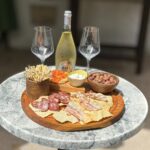
You’ll be served a spread that includes:
- Cured Sardinian meats
- Sparkling wine
- Natural olives
- Carasau bread
- A sequence of tastings that includes fresh goat cheese, plus pizzette served with the herb-spicy oil
One useful thing I like about this approach is the way it connects each oil to a specific taste direction. For example, the lemony oil conceptually makes sense with seafood and fresh flavors. The herb-spicy oil works where you want warmth and seasoning-like impact.
And yes, there’s mention that Francesco can be quite the entertainer in the process, including making good food. Even if you don’t care about the cooking style, you’ll care about the outcome: you’re eating while you learn.
You may also receive a certificate at the end. It’s a small touch, but it reinforces the feeling that you actually completed a real olive oil lesson, not just a tasting.
Buying direct with a 20% discount you’ll actually use
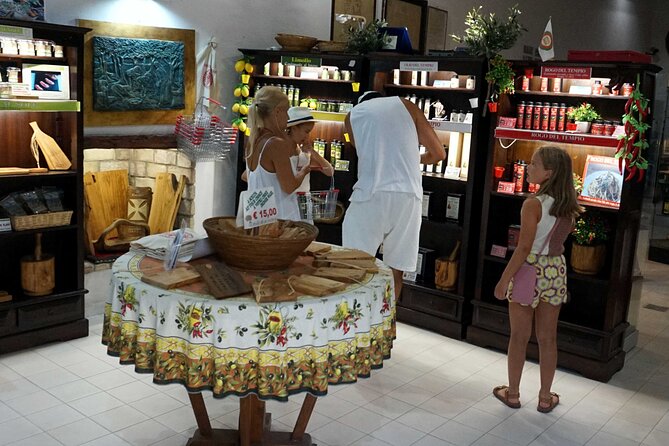
At the end, you can shop at the on-site store. The tour is set up so that purchases aren’t awkward or salesy. You taste first, then you buy based on what you liked.
There’s also a 20% discount on-site, which is one of those details that quietly improves the value. If you’re the type to bring home two or three bottles, the discount can turn a fun experience into a smart grocery move.
Practical tip: when you’re buying, think about how you’ll use the oils at home. If you want everyday cooking oil, focus on the EVO. If you want a quick “make it taste different” shortcut, the flavored oils (like the lemon and the herb-spicy) are often the ones people finish first.
Price and timing: is $66.26 worth it?
The price is $66.26 per person, with a duration around 1 hour (often described with 90-minute masterclass timing). That price lands in the mid-range for tasting experiences, but the value depends on what you want from the hour.
Here’s how I’d judge it:
- If you love food learning, you’re paying for a guided production look, museum context, and a structured tasting of three products plus pairing foods.
- If you only want to taste a single product, it might feel pricey compared with smaller tastings.
- If you plan to buy bottles anyway, the on-site discount helps balance the cost.
Also, the group size cap of 10 is a big part of the value. More attention usually means a better learning payoff, especially when you’re tasting flavored oils and trying to understand what makes them taste the way they do.
For timing, the day offers multiple departures, so you’re less likely to be stuck waiting around Cagliari all morning or afternoon.
Who should book this olive oil masterclass, and who might skip it
This experience is ideal for:
- Food lovers who want to understand what makes extra virgin olive oil taste good
- People who want a short, high-focus activity 20 minutes from Cagliari
- Anyone who likes tastings with food, not just sips
- Families, including groups with teens, because the format is hands-on and interactive
You might skip it if:
- You want a purely sightseeing tour with lots of scenic stops
- You don’t like guided activities that include learning and tasting steps
- You’re only interested in olive oil tasting without any production or museum component
Quick practical tips before you go
- Go with an appetite. The pairing includes meats, bread, cheese, and wine.
- Plan to buy if you want to. The on-site shop and discount are part of how the experience is meant to end.
- Bring a phone for photos, but expect some darker areas in the underground cistern.
- Wear something comfortable for walking through museum-style spaces and the farm areas.
Should you book Sa Mola de su Notariu Olive Oil Tasting?
If you want a short trip that teaches you how to taste olive oil with confidence, I’d book it. The biggest reason is simple: you don’t just taste three products—you see how they’re made, you get the museum context, and you eat with the oils in a way that shows how they work on a plate.
It’s also good value for people who enjoy learning, because the group size stays small and the guide runs the experience with energy (Francesco comes up again and again for his passion and fun teaching style). If that’s your style of travel, this is a very solid plan for a half-day window.
FAQ
How long is the Cagliari olive oil farm and tasting experience?
It’s listed at about 1 hour, and the masterclass is described as an extra virgin olive oil masterclass lasting about 90 minutes.
Is the tour offered in English?
Yes. The tour is offered in English.
What do I taste during the guided tasting?
You’ll taste three bestsellers: Olio del Tempio (extravirgin olive oil), Limolio (olive oil with lemon), and Rogo del Tempio EVO (spicy, made with 9 Sardinian herbs).
What food is included with the olive oil tasting?
The pairing includes cured Sardinian meats, sparkling wine, natural olives, carasau bread, fresh goat cheese served with Limolio, and pizzette served with Rogo del Tempio EVO.
How big are the groups?
The experience has a maximum of 10 travelers.
What happens if the weather is bad?
The activity requires good weather. If it’s canceled due to poor weather, you’ll be offered a different date or a full refund.
At the Sardinia Table

More Tour Reviews in Sardinia






More Sardinian Tables and Cellars
New in from around Sardinia





Sardinian Food, Wine & Vermentino, compared.
 ★ 4.7Olbia: Gallura Winery Guided Tour with TastingFrom $61451 reviews
 ★ 5.0Culurgiones Cooking Class CagliariFrom $96321 reviews
 ★ 4.8Alghero: Wine and Olive Oil Tasting at a Local FarmFrom $43294 reviews
 ★ 5.0Guided Wine and Olive oil tastingFrom $40158 reviews
 ★ 4.9Alghero: Sardinian Home-Cooking Class and MealFrom $123138 reviews
 ★ 4.6Olbia: Chef-Prepared Sardinian Tapas Tasting with WineFrom $7384 reviews
 ★ 4.5Olbia: Traditional Pasta-Making Guided WorkshopFrom $11473 reviews
 ★ 5.0LONGEVITY TOUR: Pasta Class&BlueZone Secrets with Simonetta BazzuFrom $18169 reviews
Browse the lists this tour appears in