Reviewed · WINE TOURS
Private local Food and Wine tasting
Sardinia’s food tells a longevity story. At Enoteca & Bottega BinuShop in Selargius, you get a local-led tasting that ties the island’s eating habits to its reputation as a blue zone. I like that the experience stays practical—what you’re tasting, how it’s made, and how it fits Sardinian life—without turning it into a lecture. I also like the pace: an easy, hour-long stop that still feels like you’re being fed like family.
One thing to consider: no private transportation is included, so you’ll want a simple plan to reach Via Piero della Francesca, 5. If you’re short on time, this can be a quick yes—or a quick no depending on where you’re staying.
In This Review
- Key highlights I’d circle
- A 1-Hour Food and Wine Stop That Brings Sardinia to the Table
- Enoteca & Bottega BinuShop: Where the Tasting Has a Real Shop Feel
- Sardinian Staples You’ll Taste: Bread, Cheese, Salami, Olives, and More
- Wine and Liqueurs: How Pairing Becomes a Sardinia Lesson
- The Blue Zone Story in Plain Language: What You Can Actually Take Away
- Timing, Small-Group Value, and Getting There Easily
- Who This Tasting Fits Best (And Who Might Want Another Option)
- Should You Book This Sardinia Food and Wine Tasting?
- FAQ
- Where does the tasting start?
- How long is the experience?
- Is the tour offered in English?
- How many people are in the group?
- What’s included in the price?
- Is private transportation included?
- What is the minimum drinking age?
- What’s the dress code?
- What should I do if I have food intolerances?
- Is free cancellation available?
Key highlights I’d circle
- Small group setup (max 4) for a calmer, more conversational tasting
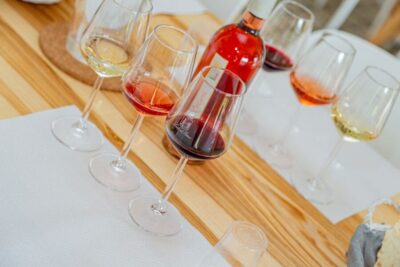
- Two local wines plus liqueurs, with pairing explained as you go
- Hands-on Sardinian staples like carasau bread, cured meats, olives, and seasonal pickles
- English-led experience with a guide who can answer questions clearly
- Flexible start time so you can fit it into a real day, not a rigid schedule
Hungry for Sardinia? Keep going
- Cagliari: natural cultural walking, food wine tasting experience★ 5.0 · 231 reviews
- Cagliari : Gozzo Tour with 3 Swim Stops, Snorkeling & Local Food★ 5.0 · 161 reviews
- Quad Tour Monte Nieddu: Natural pools & Sardinian Tasting★ 5.0 · 91 reviews
- Cagliari Olive Oil Farm & Tasting (Since 1600, 20 Minutes Away)★ 5.0 · 26 reviews
A 1-Hour Food and Wine Stop That Brings Sardinia to the Table
Sardinia has a reputation that’s bigger than wine or cheese. The heart of this tasting is the idea of the island as a blue zone—one of the places in the world with a high number of centenarians. The guide frames the story around how food supports daily quality of life, then translates that theme into what’s actually on the platter.
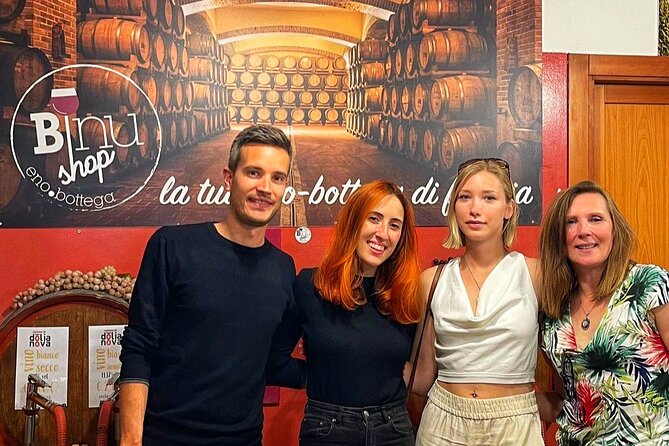
You’ll start at Enoteca & Bottega BinuShop on Via Piero della Francesca, 5, in Selargius (Cagliari area). The location is near public transportation, and you’ll use a mobile ticket. The experience runs about an hour, which is just long enough to taste a solid set of traditional items and learn the production context without dragging your afternoon into the evening.
The group size matters. With a maximum of 4 people, you’re less likely to get rushed or lost in the shuffle. This is the kind of tour where you can ask, sip, and reset between courses—especially helpful if you want the wine talk, but you also want time to slow down and actually taste.
Dress code is smart casual, and the tasting includes alcoholic beverages, so the minimum drinking age is 18. If that doesn’t fit your group, it may still work as a food-focused experience—but the alcohol portion is part of the package, so plan accordingly.
Enoteca & Bottega BinuShop: Where the Tasting Has a Real Shop Feel
This tasting isn’t set up like a museum room. It starts inside a local enoteca & bottega, the kind of place where people buy what they love and ask questions before they leave. That shop setting is a big part of why the experience feels grounded in everyday Sardinian life, not staged.
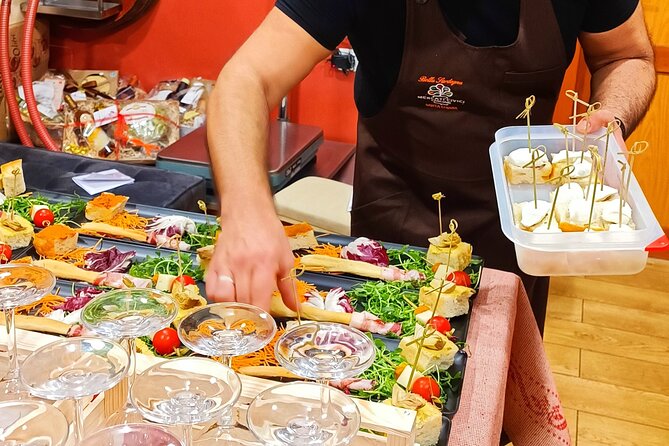
The menu is built around classic island products, and you’ll get served in a sequence that makes sense. Expect cured meats and cheeses first, then the bread and olive-based items, and finally wine. The goal is to let you compare flavors and textures—salty versus creamy, crunchy versus soft—while the guide explains what you’re eating and why it’s valued.
One detail that really helps: you’re not left staring at a list. The guide walks you through the tasting with the production techniques and the history of the producers behind each item. That’s where the blue zone story stops being a slogan and becomes a reason to pay attention to ingredients and method.
Also, the whole experience is offered in English, so you can follow along with the culture and production talk without guessing. In places where English is limited, food tours can turn into a slow scavenger hunt. Here, you get to be present instead of translating in your head.
Sardinian Staples You’ll Taste: Bread, Cheese, Salami, Olives, and More
You’ll taste a set of foods that are deeply Sardinian but also easy to understand—because they show up in local eating in one form or another. Think of it as a guided sampler of island staples.
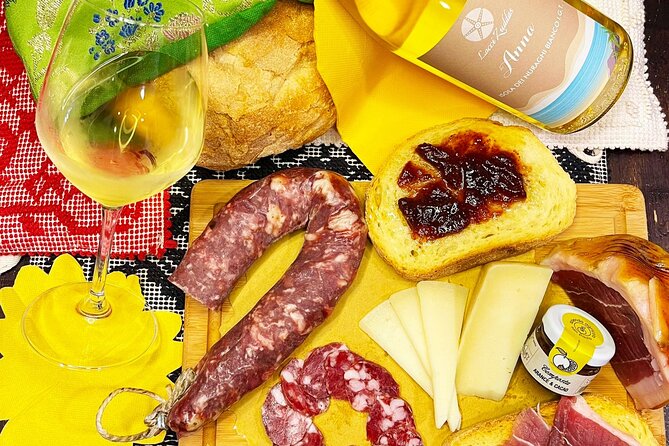
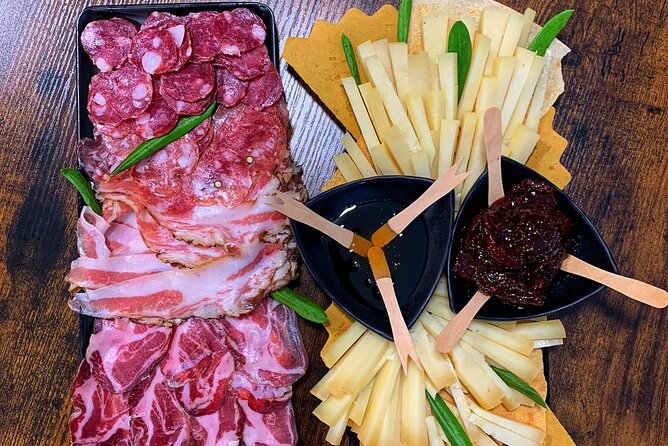
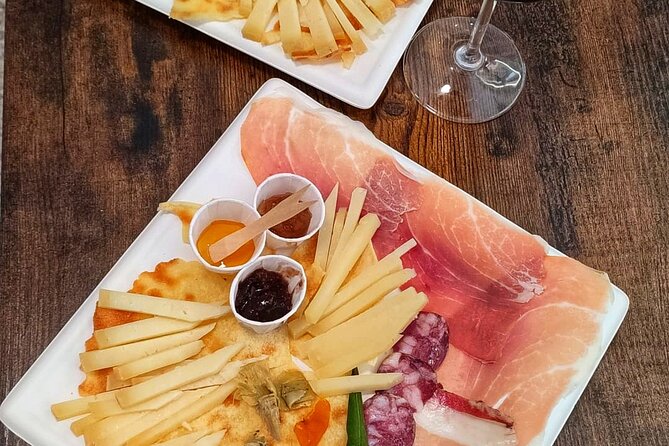
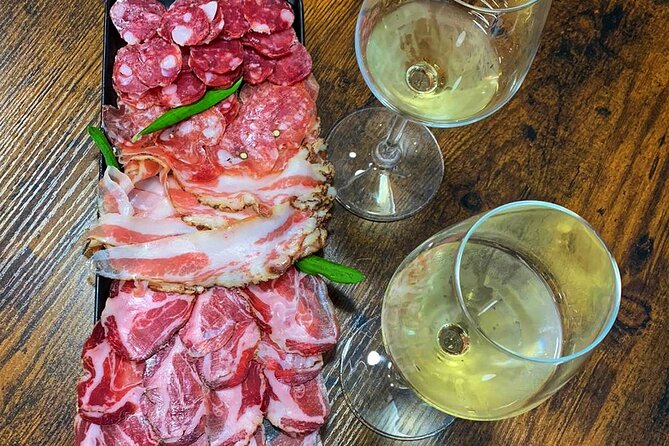
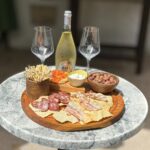
From the cheese side, you’ll try local artisan cheeses in different seasonings. The idea isn’t just variety for fun. It’s a practical way to see how Sardinians season, preserve, and flavor dairy—often with local herbs, spices, or other traditional methods. You’ll also taste local artisan cured meats, which are typically a cornerstone of Sardinian antipasti culture.
Then comes the bread. You’ll have handmade carasau bread made with ancient grains. If you’ve only had thin flatbread in other countries, carasau is a different experience: crisp, structured, and made to hold its place next to salty and rich foods. It’s the kind of bread that turns a tasting from a sip-and-snack into something that actually satisfies.
You’ll also taste local olives and local artisan pickles. These are key because they add contrast. Olives bring brine and oiliness. Pickles bring acidity. Together, they help reset your palate so the next bite—and the next sip—doesn’t blur into the last one.
Seasonal items can show up during the tasting, so you might see baked goods and seasonal land-and-sea specialties. Extra virgin olive oil is also part of the story, and it matters because Sardinia’s food identity is tied closely to olive oil quality and how it’s used across meals, not just as a condiment.
If you’re hoping for a “light taste” only, you’ll probably be surprised by how much food you get. The tasting is designed to be enough to feel like a real dinner stop for many people—especially since the tasting format includes multiple items rather than a single cheese-and-chocolate type sample.
Wine and Liqueurs: How Pairing Becomes a Sardinia Lesson
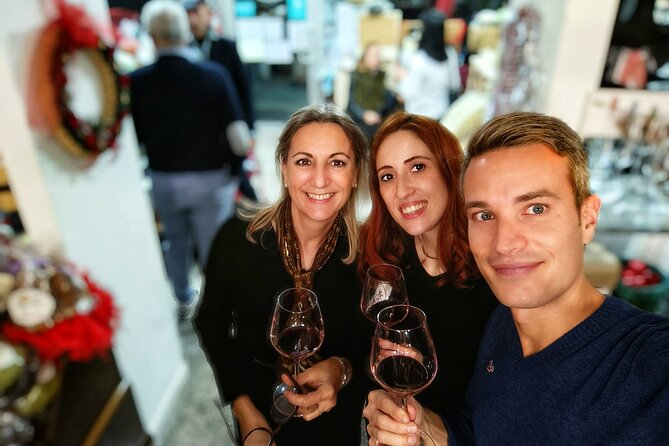
The wine portion is built around local styles rather than generic supermarket choices. You’ll taste two local wines, and the guide connects those wines to the foods you’re eating and to what makes Sardinian producers unique. You’ll also hear about production techniques and the history of the producers, which helps you understand why the same grape can taste different across islands and regions.
Pairing isn’t just “red with meat, white with cheese.” The real value here is that you learn what the guide is listening for—texture, salt level, acidity, and how those factors shift what you taste in the glass. When you get that, you can replicate the approach later in a wine shop or at a restaurant.
You’ll also have liqueurs as part of the tasting experience. That’s a nice way to round out the meal, especially in Sardinia where digestifs are often part of how locals close out food. If you’re someone who likes to compare sweetness levels and how alcohol intensity changes after savory bites, this section is usually the most fun.
One practical point: since the minimum drinking age is 18, the alcohol portion is part of what’s included. If your group has mixed ages, plan ahead.
And yes—English helps a lot. You won’t have to smile and nod while wondering what you’re tasting. You can ask follow-up questions and understand the answers without the language barrier turning the experience into guesswork.
One or two more Sardinia outings we rate
The Blue Zone Story in Plain Language: What You Can Actually Take Away
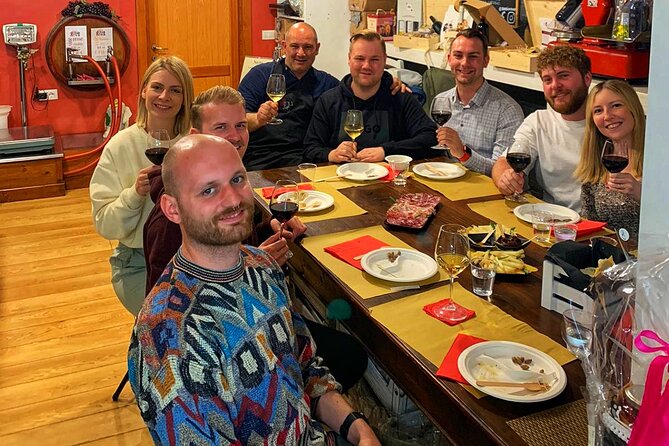
The tasting frames Sardinia as a food of longevity, linked to the island’s reputation as a blue zone. That can sound abstract. In practice, you’ll get something more useful: a sense of how traditional foods are built for real life—seasonal availability, ingredient quality, and methods that support preservation and flavor.
You’ll hear how producers make what they make, and that connects the dots between “traditional” and “why it works.” For example, when you taste cured meats and artisan cheeses alongside bread and olive oil, you’re seeing a system: fats, salt, grains, and acidity balanced in ways that create satisfying meals without needing heavy sauces.
You also learn how different producers and regions contribute to the island’s food culture. That’s a big part of the appeal if you like travel through food rather than just eating whatever is convenient.
Here’s the practical part you can take home. When you shop or cook later, pay attention to:
- Ingredients and method, not just brand names
- Seasonal choices and how they change what’s on the table
- Contrast foods like olives and pickles that keep flavors clear
This is the kind of tour that makes you look at food like a map. Sardinian eating isn’t random—it has structure, and the guide helps you see it.
Timing, Small-Group Value, and Getting There Easily
At $57.61 per person, you’re paying for more than a snack. The included items are the big ones: food tasting, wine tasting, a local guide, bottled water, and alcoholic beverages. In other words, you’re not left with a separate bill just to try the core experience. For a one-hour stop with a max group size of 4, it’s also fairly efficient—you can slot it in without turning your day into logistics.
The duration is about 1 hour, and the start time is flexible. Flexible start times are underrated when you’re on vacation. They help you avoid the classic “eat at 11:30 because that’s the only slot” problem and let you time the tasting around your actual day—especially if you’re touring nearby areas.
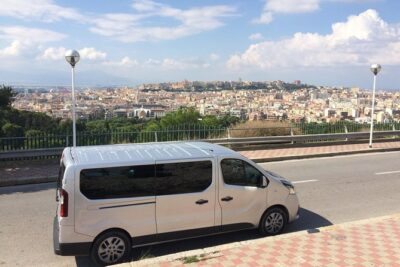
The one real planning item is transportation. Private transportation isn’t included. The meeting point is in Selargius, and it’s near public transportation, so it may be straightforward if you’re comfortable with local transit. If you’re not, make sure you’ve got a simple route worked out before you book.
Dress code is smart casual, which usually means: leave the formal wear at the hotel, but skip shorts and flip-flops if you can. It’s not fussy. It’s just meant for a shop-and-tasting setting.
Who This Tasting Fits Best (And Who Might Want Another Option)
This is a strong match if you like wine and you also like cultural context. It’s not just about drinking. You’ll get explanations about production techniques, producer history, and how Sardinian food culture connects to the blue zone concept.
It also fits couples and small groups. A max of 4 people keeps the conversation moving and makes it easier to ask questions about the wines, cheeses, and bread you’re tasting.
Choose this if you want:
- A traditional Sardinian food sampler
- English-language guidance
- A short, structured experience that still feels personal
It may be less ideal if:
- You’re expecting a long, multi-stop tour with transportation included
- You want a full meal rather than a tasting format (though it’s often enough for dinner for many people, it’s still designed as a tasting)
If you’re the type who loves taking home bottles and packaged food, the shop setting can also be helpful. You’ll likely see items for purchase connected to what you taste—extra virgin olive oil, wine, and more.
Should You Book This Sardinia Food and Wine Tasting?
Book it if you want a concentrated, local-led introduction to Sardinian flavors. The combination of artisanal foods, two local wines, and a guide who explains production and culture makes this a smart use of one hour. The small group size keeps it from feeling rushed, and the English offering means you can follow the story without effort.
Skip it only if logistics are your weak spot. Since private transportation isn’t included, you’ll want to be comfortable getting to the meeting point in Selargius. Also, if you want a half-day or full-day adventure with lots of stops, this isn’t that. This is a focused tasting experience.
If you’re in Sardinia and you care about eating like locals—bread, cheese, cured meats, olives, olive oil, and wine—this is the kind of booking that pays off fast.
FAQ
Where does the tasting start?
The meeting point is Enoteca & Bottega BinuShop, Via Piero della Francesca, 5, 09047 Selargius CA, Italy.
How long is the experience?
It lasts about 1 hour.
Is the tour offered in English?
Yes, the experience is offered in English.
How many people are in the group?
The experience has a maximum of 4 travelers.
What’s included in the price?
Food tasting, wine tasting, a local guide, bottled water, and alcoholic beverages are included.
Is private transportation included?
No, private transportation is not included.
What is the minimum drinking age?
The minimum drinking age is 18.
What’s the dress code?
Smart casual.
What should I do if I have food intolerances?
You must notify the provider immediately after confirming your reservation exclusively via email.
Is free cancellation available?
Yes. You can cancel for free up to 24 hours in advance for a full refund.
A Taste of Sardinia
At the Sardinia Table

More Tour Reviews in Sardinia


New in from around Sardinia

Wine Tours, compared.
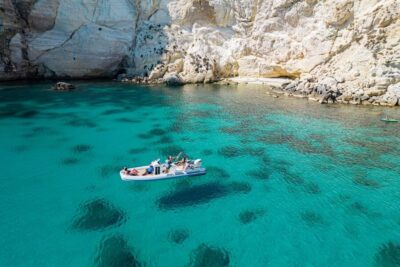 ★ 4.9Cagliari: Zodiac Boat Tour, 3-4 SwimStops, Wine & SnorkelingFrom $41500 reviews
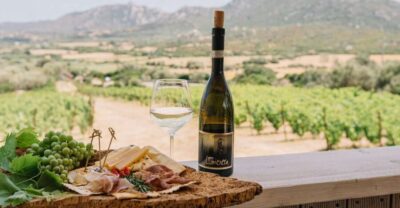 ★ 4.7Olbia: Gallura Winery Guided Tour with TastingFrom $61451 reviews
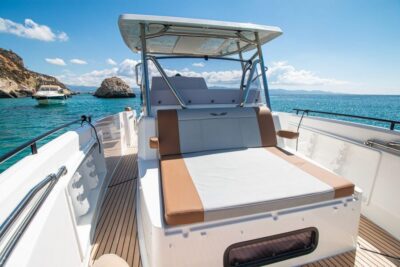 ★ 4.9Cagliari: Luxury Motorboat Tour with 3 Swim Stops & WineFrom $71395 reviews
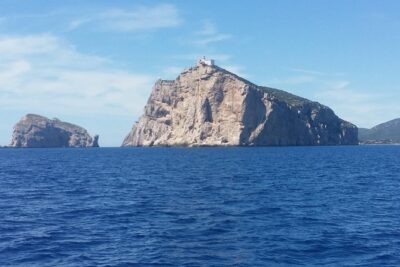 ★ 5.0Sailing day trip on Tall Ship Andrea Jensen with Lunch and WineFrom $169360 reviews
 ★ 4.8Alghero: Wine and Olive Oil Tasting at a Local FarmFrom $43294 reviews
 ★ 5.0Small-Group Food and Wine Tour from CagliariFrom $108237 reviews
 ★ 5.0Cagliari: natural cultural walking, food wine tasting experienceFrom $108231 reviews
 ★ 5.0Guided Wine and Olive oil tastingFrom $40158 reviews
Browse the lists this tour appears in