
Reviewed · ALGHERO & THE CORAL COAST
Alghero: Historic Center Walking Tour with A Local Guide
Alghero tells its story in stone. This 1.5-hour historic center walking tour is one of the easiest ways to understand what you’re seeing in town—ancient walls, Aragonese towers, and the cobblestoned old streets—without wandering in circles. I like the small-group feel because it stays relaxed, and your guide can actually answer questions instead of rushing everyone along.
My other big win: Antonio (your local guide) has a gift for making the details click. You hear the city as a sequence of places and purposes, from fortified entrances to defensive walls to key squares. One consideration: the tour leans toward the outer bastions and tower viewpoints, so if you want a lot of deep interior alley time, plan a bit of self-guided wandering afterward.
In This Review
- Key things I’d highlight before you go
- Meeting at Hotel Catalunya: Your “Where Am I?” moment
- Porta Terra and the fortified-city logic of the walk
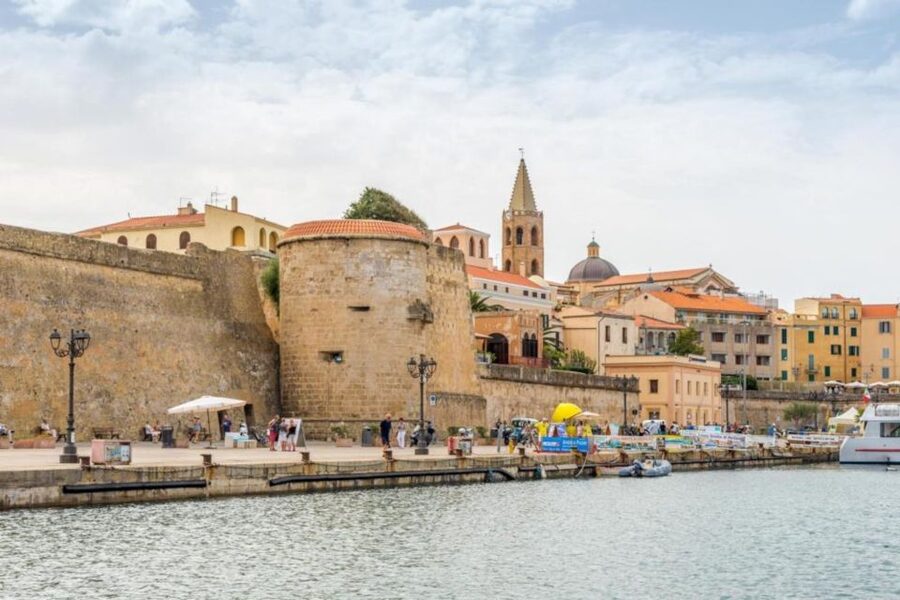
- Aragonese towers, defensive walls, and the best viewpoints for photos
- A taste of Barcelona culture in Alghero’s alleys
- Churches and squares: where the walk turns from views to meaning
- How the small-group format changes everything
- Price and value: why $35 can actually feel fair
- What to bring (and what to skip) for an easy Alghero day
- Where this fits in your Alghero itinerary
- Should you book this Alghero historic center tour?
- FAQ
- Where does the tour meet?
- How long is the walking tour?
- What languages are available?
- Is food or drinks included?
- Is the tour pet-friendly?
- What should I bring?
Key things I’d highlight before you go
- Start at Hotel Catalunya so you begin inside the old-town context right away
- Porta Terra (land-side entrance) sets the tone for a fortified-city story
- Aragonese towers and defensive walls give you the clearest sense of how Alghero was protected
- Land Gate and Sea Gate stop-points help you connect the city’s orientation to the coastline
- Historic churches and squares add meaning beyond just scenic walking
- Antonio’s clear pace makes it work even if your group includes teens
Around Alghero and the Coral Coast
- Alghero: Sunset Sailing Aperitif Experience★ 4.9 · 367 reviews
- Alghero – Dolphin Watching and Guided Snorkeling (summer tour)★ 5.0 · 311 reviews
- Alghero: Wine and Olive Oil Tasting at a Local Farm★ 4.8 · 294 reviews
- Porto Conte: Half-day catamaran tour with aperitif★ 4.8 · 228 reviews
Meeting at Hotel Catalunya: Your “Where Am I?” moment
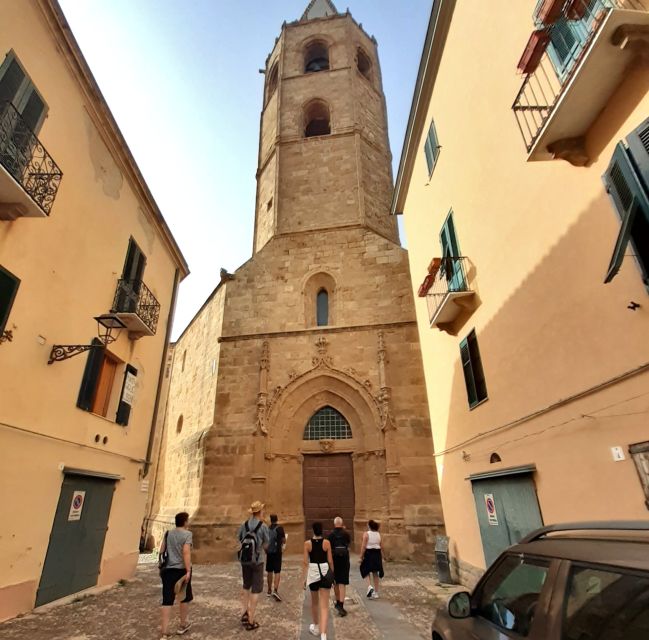
Most good walking tours do one important thing well: they fix your bearings fast. This one starts in front of Hotel Catalunya, which is practical because it’s easy to find and it keeps the tour anchored near the old fortified area. You’re not meeting at some random plaza that takes 20 minutes to identify; you’re starting where the story begins.
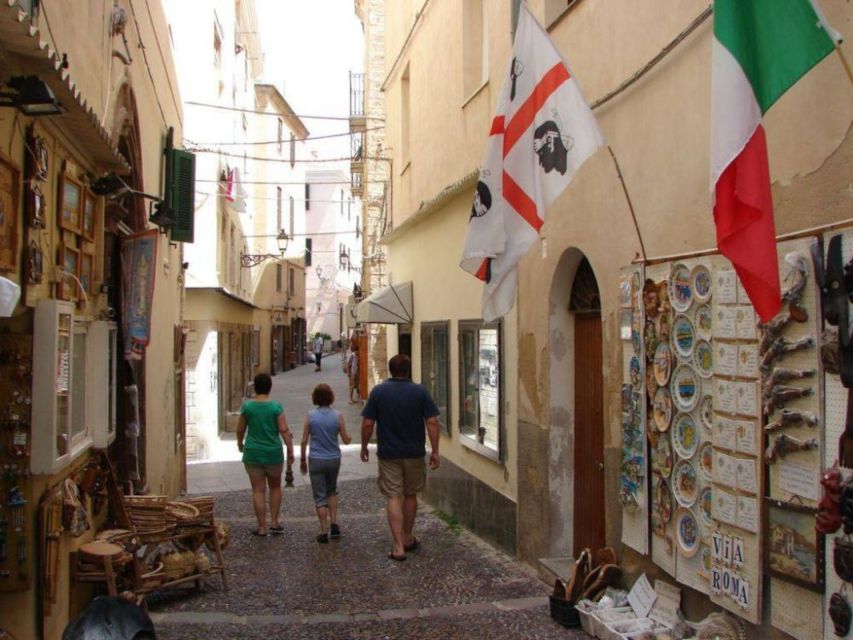
Once you’re gathered, you’ll shift into walking mode quickly. The tour is designed as an open-air stroll through narrow streets and along the city’s older edges. That matters because Alghero’s charm is in the details—small street turns, stone textures, and the way the walls shape views. If you show up without comfortable shoes, this part will feel like paying for souvenirs with your feet. So bring what you already know works: comfortable shoes, water, and clothes suited to the season.
The guide’s job here isn’t just to point. It’s to connect. Antonio’s style (from what I’ve seen in how groups describe the experience) focuses on the “why” behind each landmark: why that gate existed, why that tower mattered, and how these features link back to larger Sardinian and Mediterranean influences. For your first day in town, that kind of framing saves you time later, when you’re trying to decide what’s worth a second look.
Porta Terra and the fortified-city logic of the walk
The first true landmark moment is Porta Terra, described as the entrance to the old fortified city. This is the kind of stop that feels simple until you realize what you’re actually learning: the city was built to defend itself, and the layout tells you how people moved, watched, and controlled access.
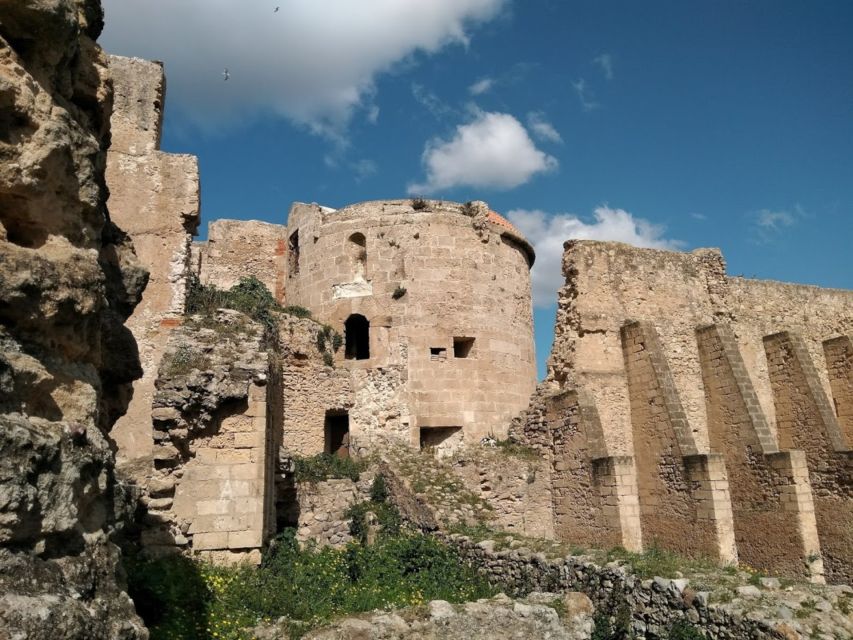
From there, the route runs through the older defensive areas—between Aragonese towers and sections of the defensive walls. Even if you’re not a “history person,” the physical structure does the teaching. Walls and towers aren’t abstract. They show height, sightlines, and the natural “channels” that streets follow once you’re inside a fortified plan.
A practical note: these are outdoor stone settings. You’ll likely be walking on cobbles and uneven surfaces. That’s not a deal-breaker, but it does change how you should pace yourself. The tour timing—1.5 hours—helps here. It’s long enough to feel like you learned the town’s main threads, but short enough that you’re not stuck slogging through fatigue when your attention would rather be on photo stops.
One more thing I appreciate about this kind of route: you get context before you go deeper. After this walk, you’ll return to Alghero’s streets with better instincts. You’ll know what you’re looking at and why it exists, even if you don’t remember every date.
Aragonese towers, defensive walls, and the best viewpoints for photos
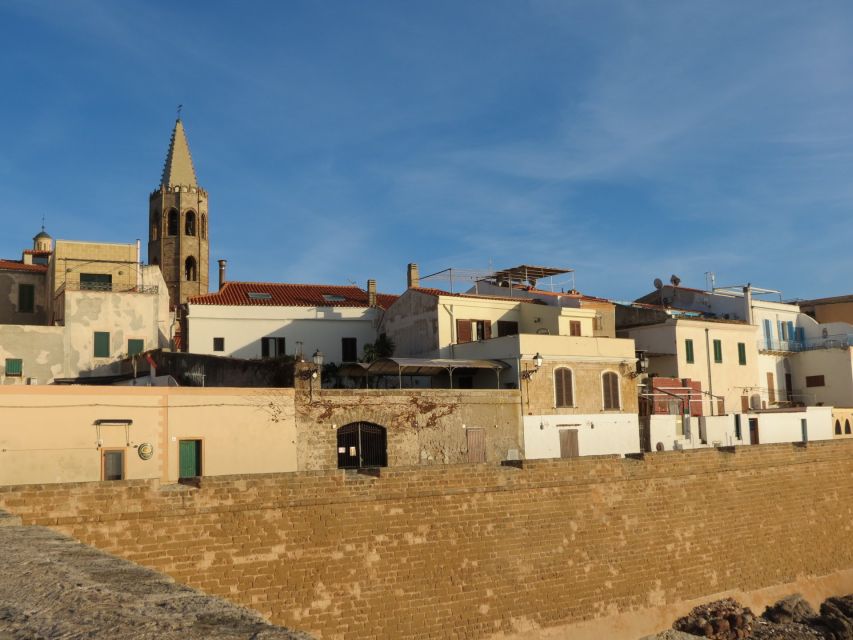
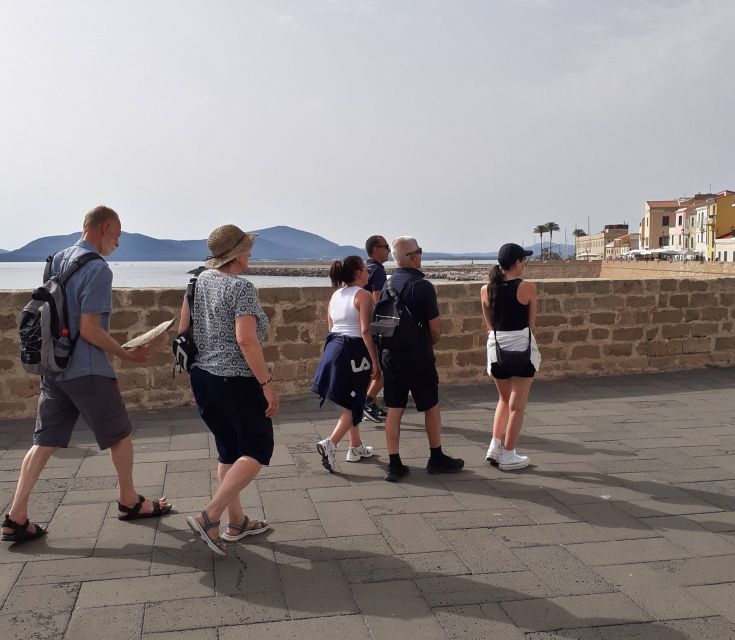
The heart of the experience is the combination of towers and defensive walls. These aren’t just objects; they’re the scaffolding of how the town functioned. When you walk along the older fortifications, you start noticing how the city’s edges meet the streets behind them. It turns a “pretty town” into a “planned town.”
Antonio’s narration is what makes this click. The tour groups describe him as friendly and fun, and they highlight that the explanations stay easy to follow. In other words, you’re not getting a lecture; you’re getting a story you can walk through. That pacing seems to be part of the reason families and even teens enjoyed it: it’s structured, but not stiff.
You’ll also connect gate ideas with real geography. The tour includes mention of the land gate and sea gate as part of the landmarks you’ll learn about. Even if you don’t memorize the details, you’ll feel the logic: Alghero’s defenses weren’t only about roads. They were about controlling approach—by land and by sea.
For photographers: bring your camera, and don’t just shoot straight ahead. Turn slightly and capture the way walls frame streets. In many cities, walls are background. Here, walls are the headline.
A taste of Barcelona culture in Alghero’s alleys
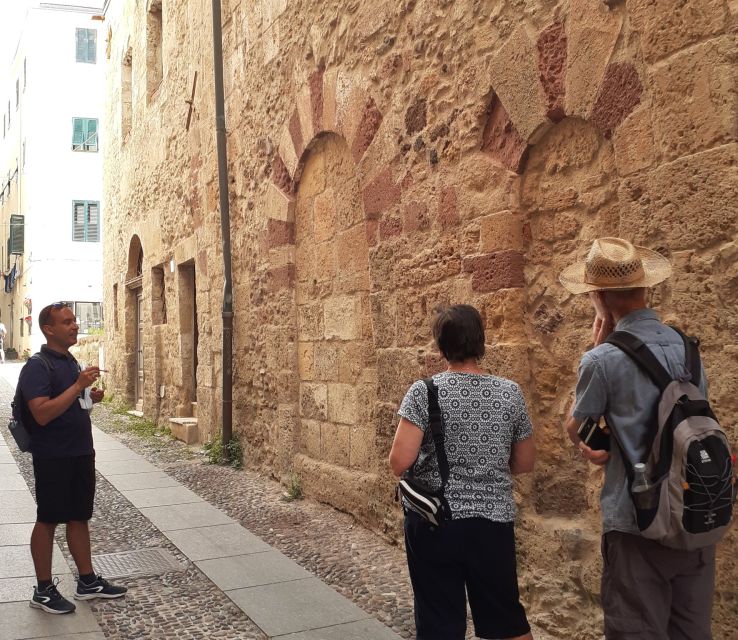
Alghero has a recognizable Catalan-linked flavor, and this tour doesn’t pretend otherwise. One of the highlights specifically calls out bites of Barcelona culture around the alleys. That doesn’t mean you’ll spend the whole tour in a museum-like setting. It means Antonio will point out the influence as you walk—ways buildings and the city’s feel reflect connections across the Mediterranean.
This matters because it changes how you interpret the details. Instead of seeing alleys as just scenic shortcuts, you start reading them as cultural evidence—what styles survived, what influences were absorbed, and how the city’s identity formed over time. For a short tour, that’s a smart use of your time. You leave with a mental map, not just a pile of photos.
Also, don’t underestimate the value of a local expert who can answer real-time questions. If you’re wondering why a street looks the way it does or why a certain part of the city was built to defend itself, the guide’s job is to connect those observations to history and geography in plain language.
Prefer to see Alghero at walking pace? A few more
Churches and squares: where the walk turns from views to meaning
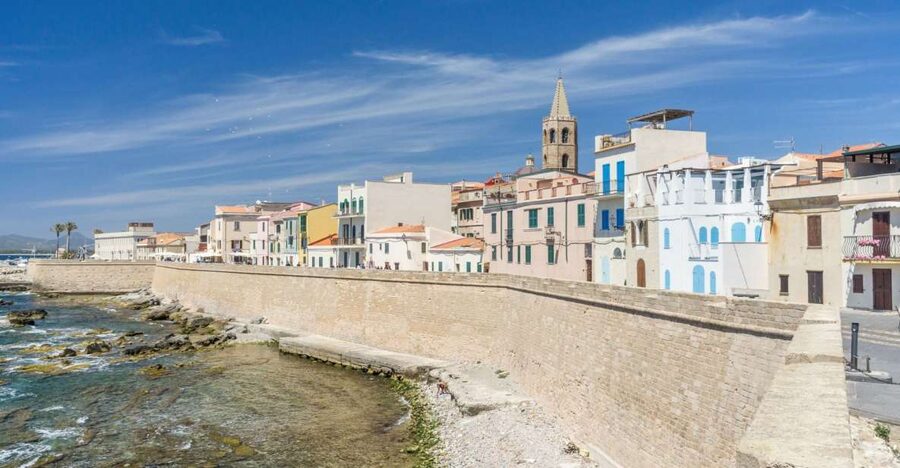
Walking tours can sometimes over-focus on walls and forget the human scale. This one doesn’t. After the fortified sections, you’ll move into historic buildings, churches, and squares. Those are the places where the city’s daily life shows itself—where belief, civic space, and architecture all overlap.
What I like about including churches and squares in a tour like this is that it gives you contrast. Walls and towers answer questions about defense. Churches and squares answer questions about community. Together, they help you understand how a fortified town still functioned as a lived-in place, not just a military plan.
You won’t feel rushed through these stops. The tour is built to be walked at a comfortable pace, which is exactly what you want on cobblestones. If you tend to get steamrolled on faster tours, this one’s slower tempo is a plus. Several groups mention that the pace is easy, entertaining, and never boring—one of the strongest signs that the guide is managing attention, not just moving bodies from point A to point B.
For practical planning: if you’re planning to sit down afterward for a meal or gelato, this tour sets you up well. You’ll recognize main squares, and you’ll have a clearer sense of where to head next.
How the small-group format changes everything
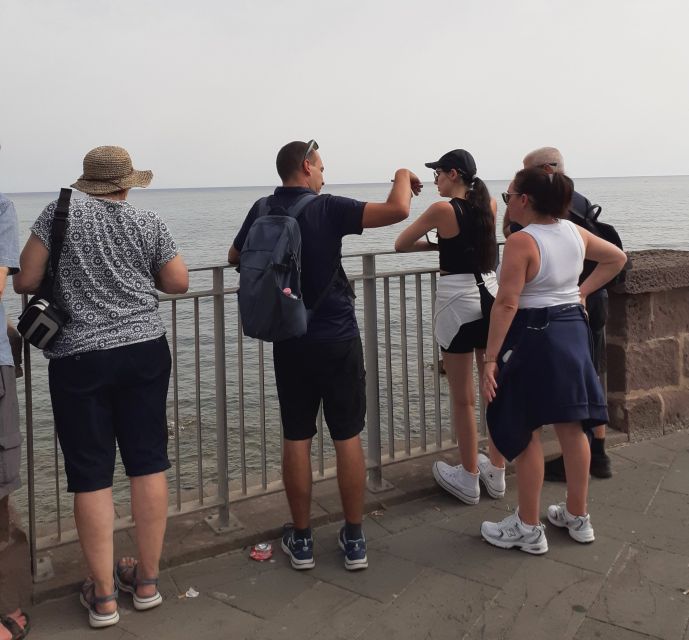
This is sold as an exclusive tour for small groups to keep the atmosphere friendly. In practical terms, that means you’re more likely to get meaningful answers and less likely to feel like you’re being herded. That matters on a tour like this, where the story depends on details and follow-up questions.
The guide also communicates in English and Italian, with the tour described as available in both. In real life, that can make a difference if your group has mixed language comfort. Some groups report the guide being flexible with language during the tour, so you may get support even if not everyone speaks the same tongue.
Another practical detail: the tour is confirmed with at least two participants. That doesn’t impact your experience directly day-of, but it’s good to know the operator isn’t running a schedule of empty seats.
Pet note, too: the tour is pet-friendly. Small dogs are allowed, but you’ll need a leash (and for dogs brought, a muzzle is required as described). If you’re traveling with a dog, this is a real advantage because many city tours aren’t set up for it.
Price and value: why $35 can actually feel fair
At $35 per person for about 1.5 hours, you’re paying for two things: a local guide and a guided logic-through-the-city approach. This is not a long tour, and it shouldn’t pretend to cover everything in Alghero. Instead, it gives you the fast orientation that many travelers end up paying for in other ways—like wasting time on self-guided detours.
The value shows up in how people describe the tour: informative but not overwhelming, friendly, and paced well. Several people highlight Antonio’s ability to explain history in easy-to-understand terms and connect the city’s monuments to a bigger story. That’s exactly what you want when you’re short on time.
My advice on value: if it’s your first visit to Alghero or you’re the type who likes to understand where you are, this price looks fair. If you already know a lot about the Aragonese period and want only interior streets and churches in depth, you might find the structure leans too much toward the fortified perimeter. In that case, treat this as orientation, then add extra time wandering afterward.
What to bring (and what to skip) for an easy Alghero day
You’ll get the most out of the tour if you show up ready to walk. The basics are simple:
- Comfortable shoes (cobblestones are no joke)
- Water
- Camera
- Cash
- Comfortable clothes for the season
Cash is worth calling out because some small purchases can be easier that way, and you might want a drink or snack after the walk since food and drinks aren’t included.
Skip heavy bags. You’ll want your hands free for photos and your attention on where you’re stepping. If you travel with a phone camera, bring enough battery for the wall/tower viewpoints—those angles are the kind you’ll want twice.
And if you’re visiting in hotter conditions, you’ll be glad you dressed comfortably. A slow, steady pace is part of what makes this tour work, but weather is still weather.
Where this fits in your Alghero itinerary
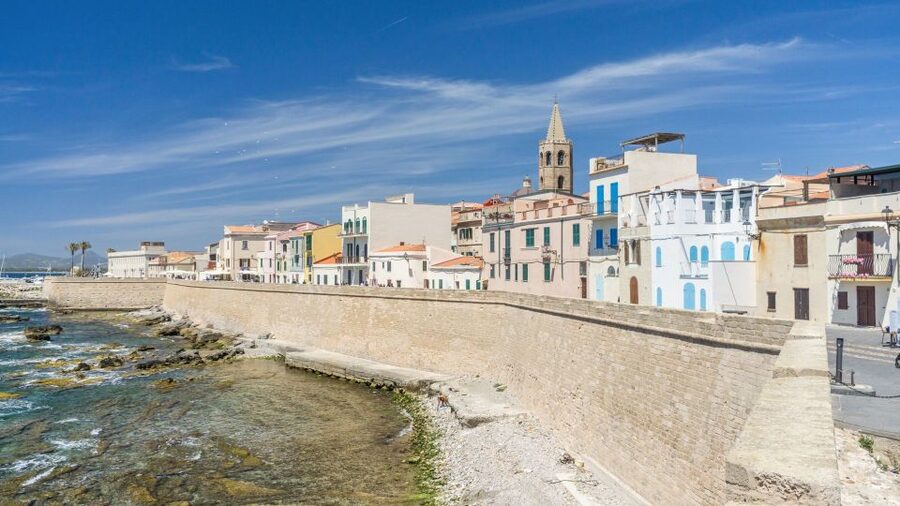
If you’re doing only a couple of guided things, this one belongs early. It’s an orientation tour: walls, gates, towers, and major public spaces. Once you’ve walked this route, you’ll move around the rest of the city with better intuition.
It also works well if you’re traveling with mixed ages. The tour is long enough to feel satisfying, but short enough to keep attention. One of the nicest comments tied to the experience is that even teenage kids stayed engaged, which usually means the guide’s explanations are kept practical and not overly academic.
If you have a full day, plan:
- Walk the fortified-center orientation first.
- Then come back on your own for extra time in whatever parts caught your eye: a church stop, a particular square, or another stretch of street leading away from the walls.
Should you book this Alghero historic center tour?
I’d book it if you want a structured, friendly introduction to Alghero’s old town in 90 minutes of real understanding. It’s a solid pick for first-timers because you get the key fortified landmarks (including Porta Terra, Aragonese towers, and the land/sea gate concept) plus meaningful stops at churches and squares. The small-group format and Antonio’s clear, engaging explanations are the big reasons this feels like more than a walk.
I’d think twice if your main goal is deep interior wandering only, because this tour’s emphasis is the fortified perimeter and the “how the city was defended and arranged” story. You’ll still see plenty, but you’ll likely want to add your own time afterward for the quieter street-to-street exploration.
If you’re aiming for value and orientation, this one does the job.
FAQ
Where does the tour meet?
Meet in front of Hotel Catalunya.
How long is the walking tour?
The tour lasts about 1.5 hours.
What languages are available?
The live tour guide is available in English and Italian.
Is food or drinks included?
No. Food and drinks are not included.
Is the tour pet-friendly?
Yes. Pets are allowed if they are brought with a muzzle and leash (for small dogs, a leash is sufficient).
What should I bring?
Bring comfortable shoes, a camera, water, comfortable clothes, and cash.
More Tours in Alghero




More Tour Reviews in Alghero


Alghero and the Coral Coast
New in from around Alghero
Alghero & the Coral Coast, compared.
 ★ 4.9Alghero: Sunset Sailing Aperitif ExperienceFrom $65367 reviews
 ★ 5.0Alghero – Dolphin Watching and Guided Snorkeling (summer tour)From $78311 reviews
 ★ 4.8Alghero: Wine and Olive Oil Tasting at a Local FarmFrom $43294 reviews
 ★ 4.8Porto Conte: Half-day catamaran tour with aperitifFrom $91228 reviews
 ★ 4.7Alghero: Guided Horseback Ride at Lake Baratz & Porto FerroFrom $98201 reviews
 ★ 4.7Alghero: Dolphin Watching Tour with Marine ResearcherFrom $59172 reviews
 ★ 4.9Alghero: Guided Quad Tour with Swim StopFrom $215152 reviews
 ★ 4.9Alghero: Sardinian Home-Cooking Class and MealFrom $123138 reviews
Browse the lists this tour appears in