
Reviewed · ALGHERO & THE CORAL COAST
Alghero: Dolphin Watching Tour with Marine Researcher
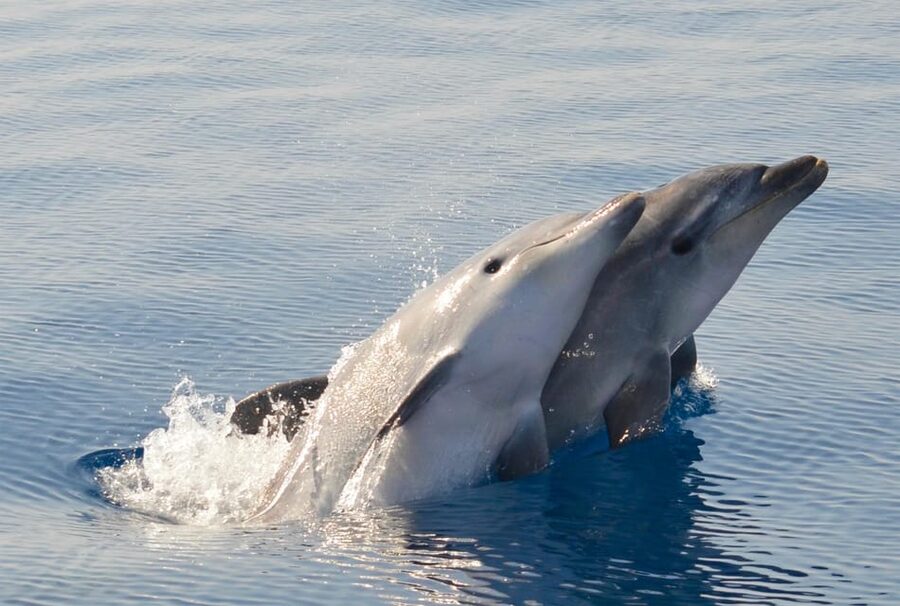
Dolphins, science, and Sardinian cliffs in one trip. This Alghero outing links dolphin watching with active marine research from MareTerra ERC, using small, purpose-built boats and a responsible viewing approach based on an international code of conduct. If conditions allow, you may also hear dolphin communication using a hydrophone, then enjoy coastal scenery while researchers collect data.
I like the built-in realism: 80%+ sighting success comes from the team’s monitoring and know-how, and the boat route changes after leaving the port based on dolphin movements and sea conditions. I also like how hands-on it feels, especially with photo identification (dorsal fin patterns) and behavior notes gathered while you’re out there.
One drawback to plan for: this is wildlife. If dolphins don’t show up, there’s no refund for a no-sighting day, and there’s no bathroom on board.
In This Review
- Key things I’d watch for before you book
- Why Alghero’s dolphins feel like a local story, not a generic cruise
- The two tour options: 3 hours in shoulder months vs 4 hours with snorkeling
- How the boat ride works: no fixed route, but plenty of purpose
- Seeing dolphins the responsible way (HQWW® in plain language)
- The research component: what you actually help with
- Snorkeling at Capo Caccia and Isola Piana (June–September)
- When the sea cooperates: comfort tips that matter
- Meeting the boat in Alghero: find the Cicloexpress benches
- Price and value: why $59 can be more than a sightseeing ticket
- Who this tour suits best (and who should skip it)
- Final call: should you book this Alghero dolphin + snorkeling tour?
- FAQ
- When is the guided snorkeling included?
- Where do we meet in Alghero?
- Is there a bathroom on board?
- What should I bring?
- What happens if dolphins are not spotted?
- What’s included in the tour price?
Key things I’d watch for before you book
- Marine biologists on board (MareTerra ERC) sharing what they’re seeing and recording
- Certified responsible dolphin watching (HQWW®) to minimize disturbance
- 80%+ chance of sightings based on local monitoring and experience
- Snorkeling in the Marine Protected Area only June–September (masks and fins included)
- No fixed route: your direction depends on recent tracking and sea conditions
- Wildlife rules apply: no dolphins means no refund
Around Alghero and the Coral Coast
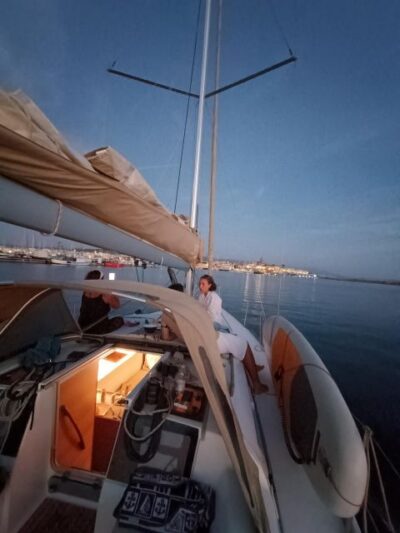
- Alghero: Sunset Sailing Aperitif Experience★ 4.9 · 367 reviews
- Alghero – Dolphin Watching and Guided Snorkeling (summer tour)★ 5.0 · 311 reviews
- Alghero: Wine and Olive Oil Tasting at a Local Farm★ 4.8 · 294 reviews
- Porto Conte: Half-day catamaran tour with aperitif★ 4.8 · 228 reviews
Why Alghero’s dolphins feel like a local story, not a generic cruise
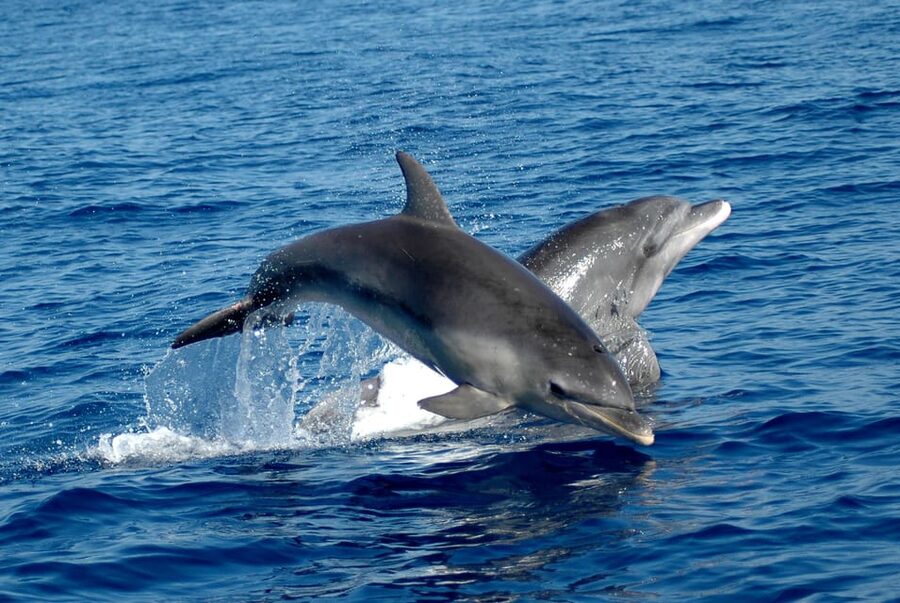
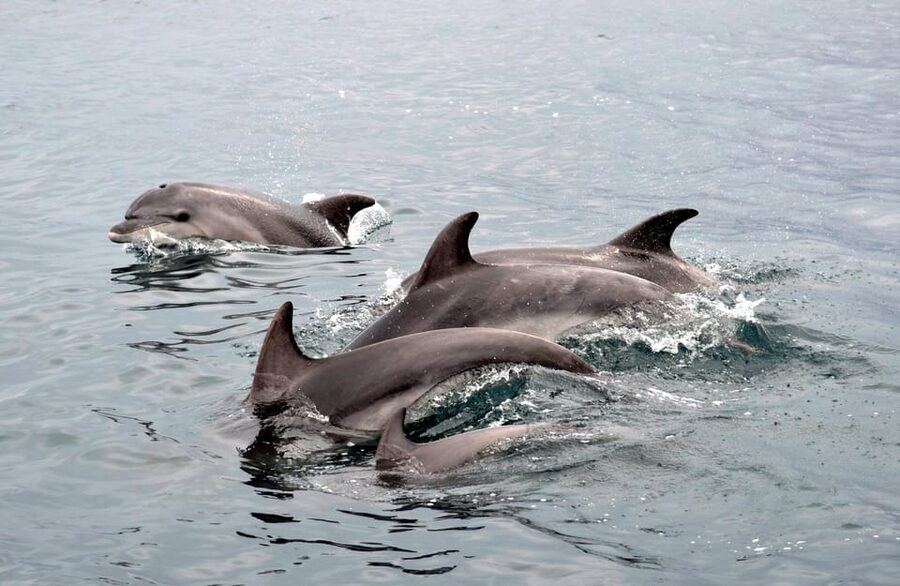
Alghero Bay isn’t treated like a random “maybe we’ll see dolphins” gamble. The tour is built around the resident bottlenose dolphins that spend time close to the coast, near where you launch. That matters, because it changes the vibe from sightseeing to something more like following a well-known local population.
You’ll be learning while you search, not after the boat ride. The marine biologists talk about dolphin biology and behavior, then you see how that knowledge guides what the team does out on the water. And because researchers are the ones running the activity, the emphasis stays on dolphin welfare and data, not on chasing animals for a photo.
Another big plus: this isn’t just viewing. Researchers are actively collecting information while you’re there—things like location and behavioral observations. If the team can identify individuals on-site, they may even share names and extra details. That turns a fleeting encounter into a story you can actually track.
The two tour options: 3 hours in shoulder months vs 4 hours with snorkeling
This tour splits by season, and that affects what you’ll get out of the day.
April, May, and October (3-hour dolphin watching)
You’ll focus on the dolphins and the research work, staying out for about three hours. You still get the chance to learn from the team, observe data collection, and use the boat time for responsible searching.
June to September (4-hour dolphin watching + guided snorkeling)
Summer adds a snorkeling block and a longer total outing. You’ll also get access to the Marine Protected Area of Capo Caccia and Isola Piana, with about one hour set aside for guided snorkeling. Masks and fins come from the operator, so you’re not scrambling to pack gear.
The practical takeaway: if you want mostly dolphin time with fewer moving parts, shoulder season fits. If you want dolphins plus snorkeling in a protected area, plan for June–September.
How the boat ride works: no fixed route, but plenty of purpose
You don’t get a pre-programmed loop with the same stops every day. After leaving the port, the team chooses direction based on recent monitoring, dolphin movements, and current sea conditions. That’s a good thing for two reasons.
First, it reduces wasted time. When you’re targeting a local population, you want flexibility and speed. Second, it helps with safety and comfort. Conditions can change quickly in the Gulf, and the operator builds the navigation plan around what’s happening right then.
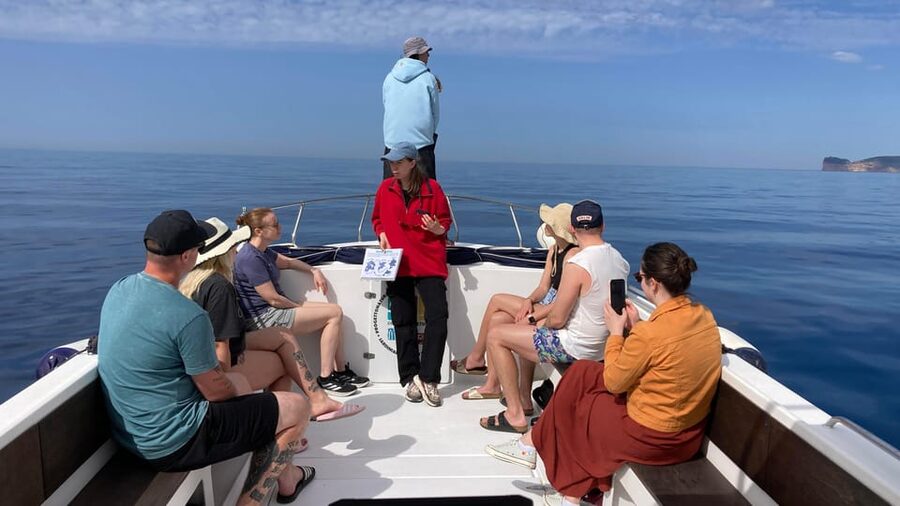
On board, you’re not left to just stare at the horizon. The researchers share what they’re seeing and what they’re looking for, including why dolphins might be near certain stretches or behaving in particular ways. If conditions permit, you might also listen to dolphin sounds using the hydrophone used for bioacoustics research.
Seeing dolphins the responsible way (HQWW® in plain language)
One of the best parts is the attention to how approach affects animals. The tour is certified for responsible dolphin watching under the HQWW® framework. In practical terms, that means the team follows an international code of conduct designed to limit disruption to the dolphins’ normal behavior.
You’ll notice this in how they observe and interact. If dolphins appear, the boat approaches in a way meant to minimize impact, and the focus stays on watching rather than forcing contact. The researchers are also collecting data during the encounter—photo ID, location, and behavioral notes—so the goal is documentation and conservation, not performance.
This is exactly the kind of operation you want if your trip includes both wildlife and science. Dolphins aren’t a zoo exhibit. They’re moving through a real marine environment, and that responsibility shows in the way the team works.
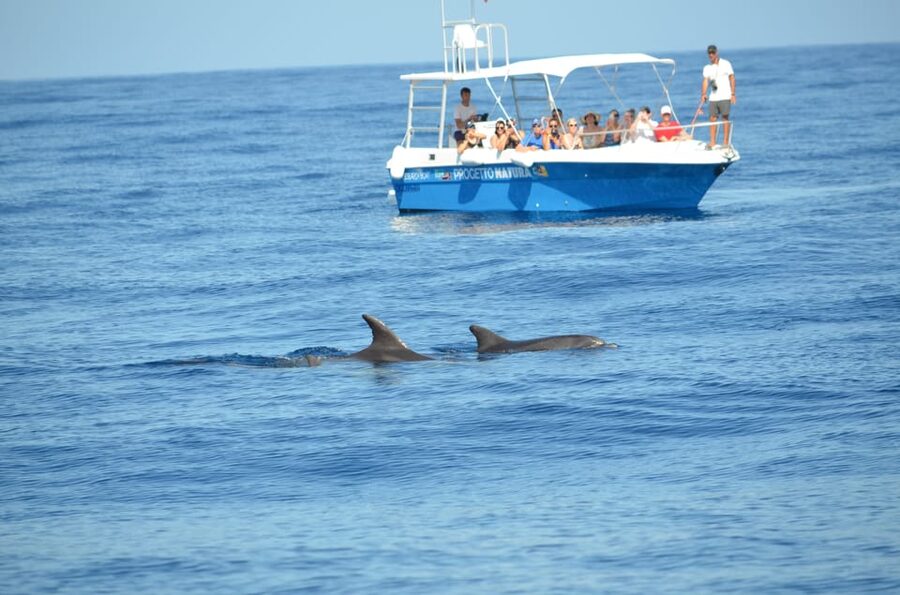
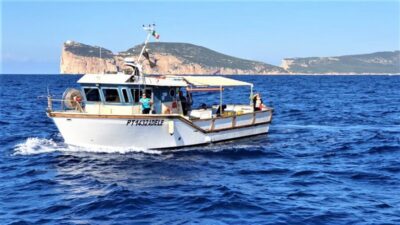
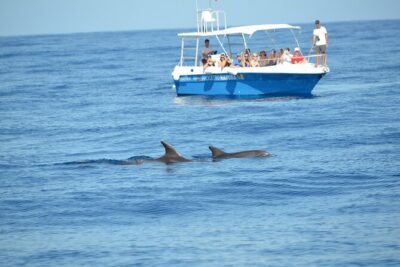
Out looking for dolphins off Alghero again
The research component: what you actually help with
Most dolphin tours say they care about conservation. This one ties your outing to real research activities run by MareTerra ERC.
Here’s what your time supports based on what’s done on board:
- Photo identification: researchers recognize individuals from dorsal fin photos
- Geographical data: location recording tied to dolphin movements
- Behavioral observation: notes on how dolphins are acting during encounters
- Publishing-grade research: the information is used for articles in peer-reviewed scientific journals
And you’re not just funding the idea. The tour is explicitly framed as supporting research and conservation projects. That gives you a clearer sense of value for the money, beyond the excitement of seeing dolphins.
Also, because the dolphins are wild and move over large areas, your outing becomes part of a larger monitoring effort rather than a promise of a guaranteed show. That’s a fair trade, as long as you understand the wildlife risk up front.
Snorkeling at Capo Caccia and Isola Piana (June–September)
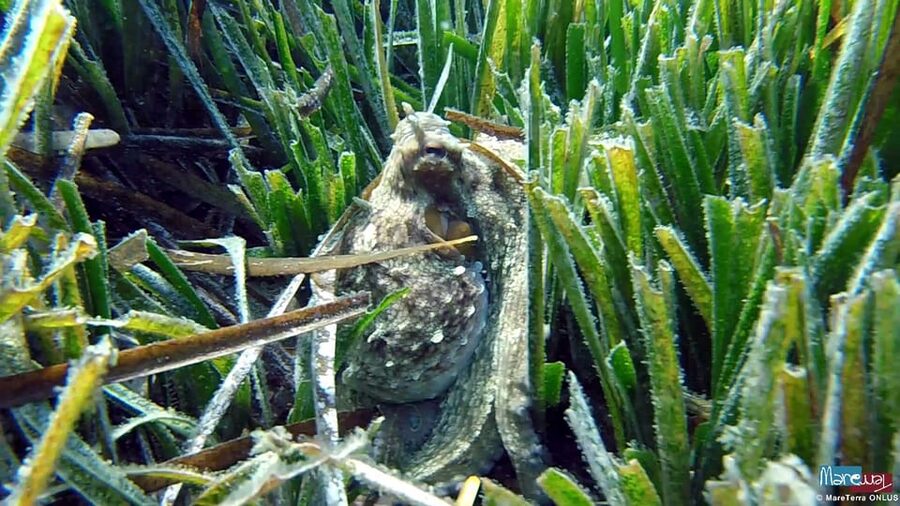
If you book the summer version, you’ll get a guided snorkeling stop in the Marine Protected Area. This is timeboxed at about one hour, so it’s not a half-day snorkeling expedition. It’s more like a focused chance to see marine life while still keeping the dolphin component central.
Masks and fins are provided, which saves you from packing bulky gear. Since the snorkeling happens in a protected area with guided oversight, you’ll also have someone there to explain what you’re seeing and to keep the session organized.
Two smart packing notes for this part:
- Bring a beach towel, and have your swimsuit ready because you’ll want to transition quickly.
- If you tend to run cold on boats, pack for wind. Even in summer, a cold Mistral wind can make a short swim feel like a bigger step than you expect.
The snorkeling section also adds variety to the day. A dolphin encounter is thrilling, but it’s brief and surface-focused. Snorkeling shifts the experience underwater, and the tour highlights marine life during that stop.
When the sea cooperates: comfort tips that matter
A dolphin outing sounds smooth and easy until you hit real Gulf of Alghero wind and chop. The operator suggests warm clothing in layers, and that’s not just for fashion.
Bring:
- Warm clothing (especially spring and autumn)
- Sunglasses and a hat
- Sunscreen
- A towel
- A camera if you want photos
Also, there’s no bathroom on board, so plan on a trip that stays comfortably within a few hours. If you’re prone to motion sickness, it’s worth taking that seriously. One of the clearer signals from experience is that conditions can be rough, and there’s no on-board facility to make a rough trip more pleasant.
My advice: pack like you’re going to be on a moving boat in wind. Even if the weather starts sunny, plan for changing conditions.
Meeting the boat in Alghero: find the Cicloexpress benches
You meet in front of the Cicloexpress bike rental shop along the Lungomare Barcellona promenade. The key detail is simple: wait on the benches in front of the shop, and don’t chase information through Cicloexpress staff since they’re not part of the dolphin team.
A MareTerra ERC researcher meets you there, then escorts you to the boats. It’s a quick handoff. Show up a bit early so you’re not sprinting at the last second with sunscreen still on.
Once aboard, you’ll be in the Gulf with a crew using boats designed for dolphin watching and safe navigation in the area.
Price and value: why $59 can be more than a sightseeing ticket
At $59 per person, this isn’t positioned like a bargain basement activity. It also isn’t priced like a luxury private charter. The value comes from what’s included and how your money supports research.
You’re paying for:
- Dolphin watching with marine biologists on board
- A certified responsible viewing framework
- Time spent observing researchers collecting scientific data
- In summer, guided snorkeling in a Marine Protected Area plus masks and fins
- Interpretation by local guides connected to the activity
Even in the 3-hour version, the dolphin component isn’t just entertainment. Researchers are using the sightings to support monitoring and conservation goals. If you care about animals and want to see science in action, this price feels more like a fair ticket to participate in research than a standard wildlife cruise.
The one caution on value is the nature of wild animals: you can’t treat it like a guaranteed dolphin encounter. If your personal priority is absolute certainty, this trip may not fit. If you’re okay with the wild card, it’s strong value.
Who this tour suits best (and who should skip it)
This is a good fit if you want:
- Real-time info from marine researchers
- A dolphin-watching approach focused on animal welfare
- A day outdoors with interpretation, not just sightseeing
- Summer plans that include snorkeling with provided gear
It’s not suitable for:
- Children under 5
- Pregnant women
- People with heart problems
- People over 75
The lack of a bathroom on board is another important factor for comfort.
If you’re sea-sickness prone, pay extra attention to conditions and consider bringing proper medication if that works for you. Also dress for wind and temperature swings, because boats can feel colder than the shore.
Final call: should you book this Alghero dolphin + snorkeling tour?
Book it if you like your nature trips with purpose: science-led dolphin watching, responsible approach under HQWW®, and the chance to support MareTerra ERC research while learning how bottlenose dolphins behave close to the coast.
Skip it if you need a guaranteed dolphin sighting or if you’re uncomfortable with the reality of rougher boat days and no toilet on board. Also, if any of the listed medical or age constraints apply, this one is a no-go.
If you want a Sardinia experience that feels genuinely connected to the marine world—and not just a ride around the bay—this is a solid choice.
FAQ
When is the guided snorkeling included?
Guided snorkeling is included only June to September. During that period, the tour includes a stop in the Marine Protected Area of Capo Caccia and Isola Piana for about one hour, and masks and fins are provided.
Where do we meet in Alghero?
You meet in front of the Cicloexpress bike rental shop on the Lungomare Barcellona promenade. A MareTerra ERC researcher meets you there and then leads you to the boats. Wait on the benches in front of the shop.
Is there a bathroom on board?
No. There is no bathroom on board, so plan for that during the 3 to 4 hour outing.
What should I bring?
Bring warm clothing (especially for spring and autumn), sunglasses, a hat, a towel, and sunscreen. For June–September snorkeling, bring a beach towel and be ready in your swimsuit.
What happens if dolphins are not spotted?
If no dolphins are spotted, there is no refund for a no-sighting day. The tour has good sighting success, but dolphins are wild animals and can move over large areas.
What’s included in the tour price?
The price includes dolphin watching with marine biologists, responsible dolphin-watching approach, and interpretation on board. For June–September, it also includes guided snorkeling in the Marine Protected Area and masks and fins. Food and drinks are not included.
More Tours in Alghero
More Tour Reviews in Alghero

Alghero and the Coral Coast
New in from around Alghero
Alghero & the Coral Coast, compared.
 ★ 4.9Alghero: Sunset Sailing Aperitif ExperienceFrom $65367 reviews
 ★ 5.0Alghero – Dolphin Watching and Guided Snorkeling (summer tour)From $78311 reviews
 ★ 4.8Alghero: Wine and Olive Oil Tasting at a Local FarmFrom $43294 reviews
 ★ 4.8Porto Conte: Half-day catamaran tour with aperitifFrom $91228 reviews
 ★ 4.7Alghero: Guided Horseback Ride at Lake Baratz & Porto FerroFrom $98201 reviews
 ★ 4.9Alghero: Guided Quad Tour with Swim StopFrom $215152 reviews
 ★ 4.9Alghero: Sardinian Home-Cooking Class and MealFrom $123138 reviews
 ★ 5.0Alghero Home Cooking Pasta Class at a Farmhouse with WineFrom $131130 reviews
Browse the lists this tour appears in