Reviewed · SARDINIAN FOOD, WINE & VERMENTINO
Sardinian Olive Oil tasting & Picnic among the olive trees
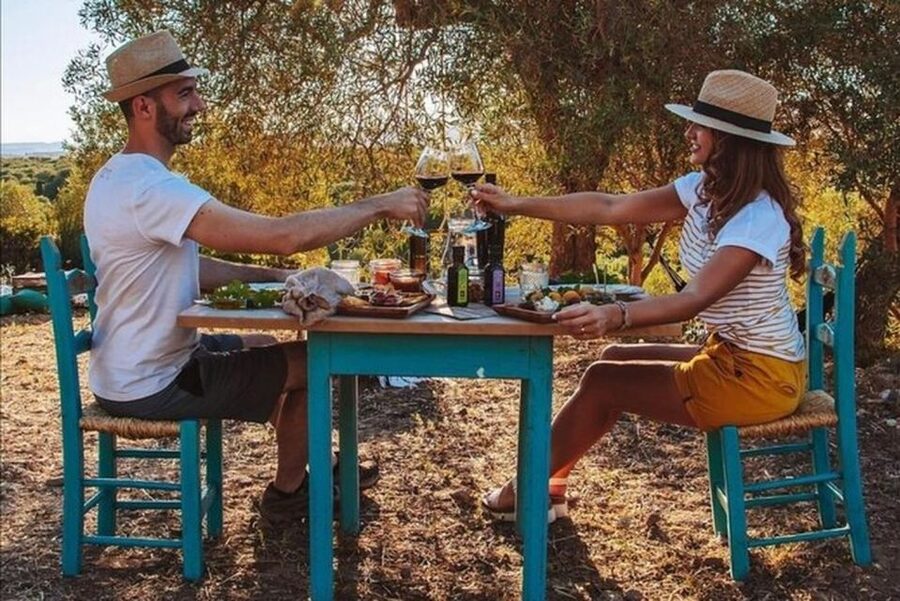
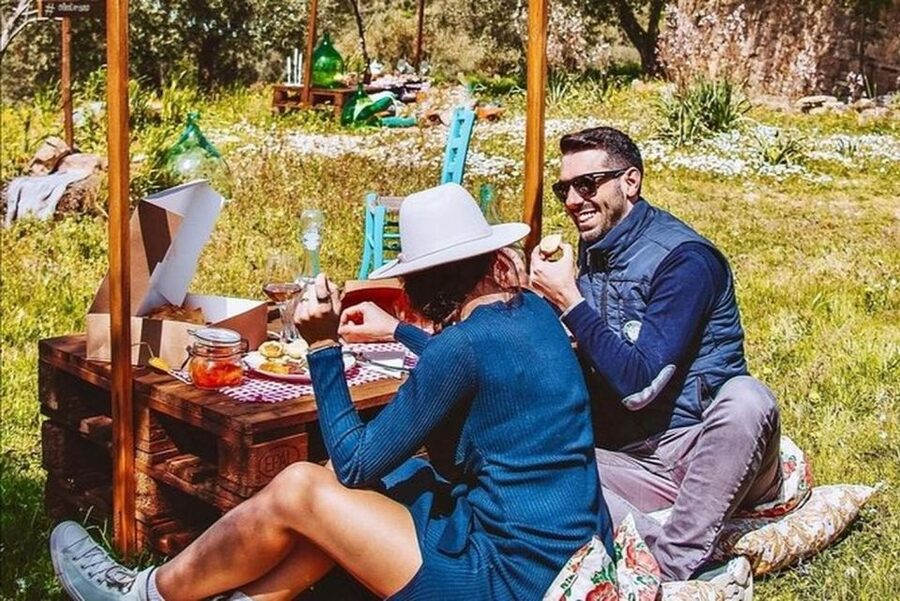
A Sardinian olive grove makes even tasting feel like a mini event. This experience mixes an oil-making history stop with a guided extra virgin olive oil tasting and a 7-tasting picnic you eat right where the olives grow.
I especially like the way the guide connects the science and the craft: you’ll hear how olives go from harvest to the modern production chain, not just how oil tastes. I also like the food side, because the flavored oils aren’t served alone; they come paired with local breads, cheese, and cured items alongside wine.
One drawback to plan around: depending on season and what’s operating at the time, you may get more of a tasting-and-sales style experience than a full look inside working pressing equipment. That can still be tasty, but it’s worth setting expectations.
In This Review
- Key Highlights You’ll Care About
- First Stop: Sa Mola Oleificio in Escolca
- How the Ethnographic Museum Explains Olive Oil Like a Story
- The Real Olive Lesson: Tasting Extra Virgin (and Knowing What You’re Smelling)
- Flavored Oils and a 7-Tasting Picnic You Actually Eat
- Dietary Needs: How to Make Sure Your Picnic Fits You
- Price and Value: Is $81 per Person Worth It?
- Timing Matters: When It Can Feel Like a Tasting Table
- Language and the Q&A Advantage
- What I’d Do Differently If I Were Planning Your Day
- Who Should Book This Olive Grove Tasting
- Should You Book It?
- FAQ
- How long is the Sardinian olive oil tasting and picnic?
- What’s included in the price?
- Where do we meet?
- How big is the group?
- What languages are offered?
- Is there a tasting of flavored oils as well?
- Can you accommodate dietary restrictions?
- Are there cancellation options?
- Is there a reserve now, pay later option?
Key Highlights You’ll Care About
- Small group (max 8) means you can ask questions and slow down with each pour
- Etnographic museum stop explains four generations of oil production and shifting extraction methods
- Walking among centenary olive trees turns the tasting into a place-based lesson
- Intro EVOO course gives you a practical way to taste for quality and flavor
- 7-tasting picnic pairs flavored oils with seasonal local delicacies (including wine and water)
- Dietary options available (vegan, gluten-free, lactose-free) if you request them at booking
A little more Sardinian cooking and Vermentino
- Cooking Class in a Secret Courtyard – Culurgiones (Sardinian Pasta)★ 4.5 · 55 reviews
- Cagliari Olive Oil Farm & Tasting (Since 1600, 20 Minutes Away)★ 5.0 · 26 reviews
- Archeology, visit to a vineyard and wine and pecorino cheese tasting★ 5.0 · 19 reviews
- Visit to the dairy★ 5.0 · 16 reviews
First Stop: Sa Mola Oleificio in Escolca
Your experience begins at Sa Mola oleificio, in the Figarba area of Escolca (Provincia di Cagliari). It’s a good setup because you’re not just meeting a guide and heading out for snacks; you start at the oil-making site that connects everything afterward.
The tour runs about 1 hour, and that time is used on purpose: there’s explanation, walking, and a structured tasting. If you’re short on time in Sardinia, this is one of those activities that packs learning and eating into a tight schedule.
Dress for countryside walking. Even if the walk is not long, you’ll be moving among trees, and your comfort matters more than you’d think when you’re trying to focus on flavors.
How the Ethnographic Museum Explains Olive Oil Like a Story
One of the strongest parts is the visit to the ethnographic museum, where you’ll hear the history of four generations of oil producers. It’s not just dates and names; the point is to show how oil work changes over time while still staying rooted in the land.
You’ll also learn about extraction systems from different eras, up through the current modern plant. For me, that’s where the tasting gets smarter: instead of treating olive oil like one product, you start seeing it as the end result of choices made across the whole process.
If you like food history that actually connects to what’s on your plate, this museum stop is the value anchor. It explains why different oils can taste different, even when they’re coming from the same olive family of flavors.
The Real Olive Lesson: Tasting Extra Virgin (and Knowing What You’re Smelling)
After the museum, you walk among centenary olive trees. That part matters more than scenery. When you’re physically near the source, it’s easier to understand why terroir, harvest timing, and milling steps show up in the glass.
Then comes the intro course in extra virgin olive oil tasting. The format is built for non-experts: you’re guided through tasting so you can notice differences rather than just judge by taste alone. Think aroma, balance, and the way flavors shift as you move from one oil to the next.
This is also where the small group helps. With a group of up to 8 participants, you’re less likely to get rushed through the pours, and you can ask the guide what to look for.
Flavored Oils and a 7-Tasting Picnic You Actually Eat
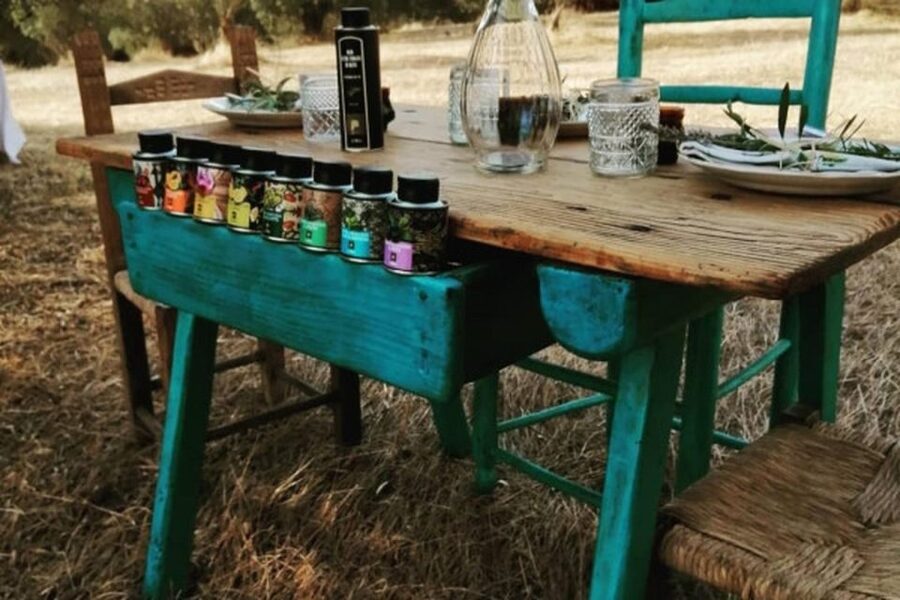
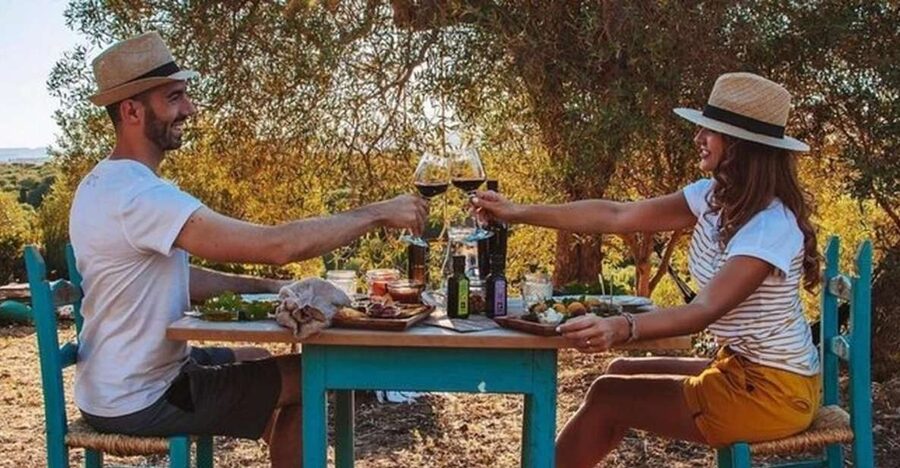
The tasting doesn’t stop at extra virgin. You’ll be offered flavored oils paired with seasonal local products, and the experience is built around a 7-tasting picnic. This is the part that turns the lesson into something you remember because your stomach was involved the whole way.
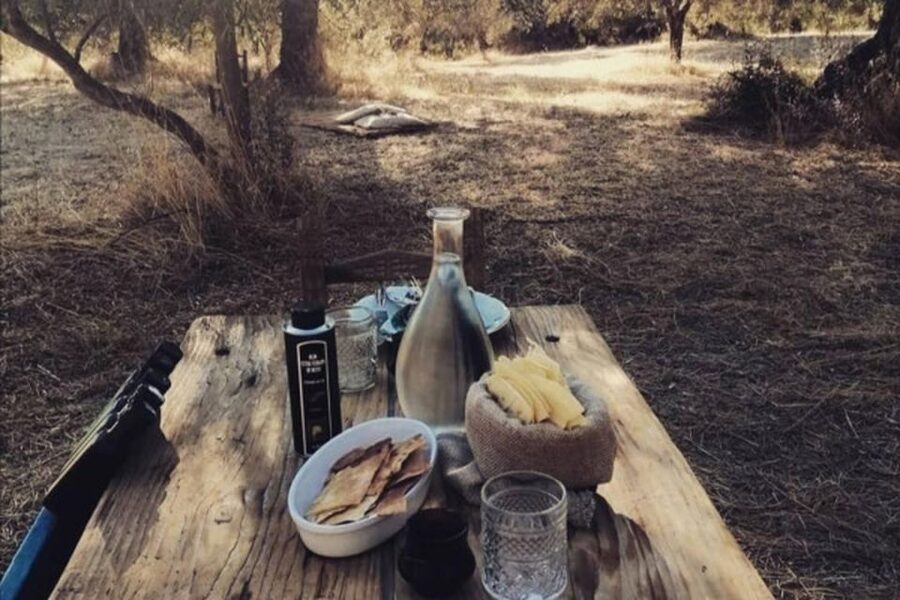
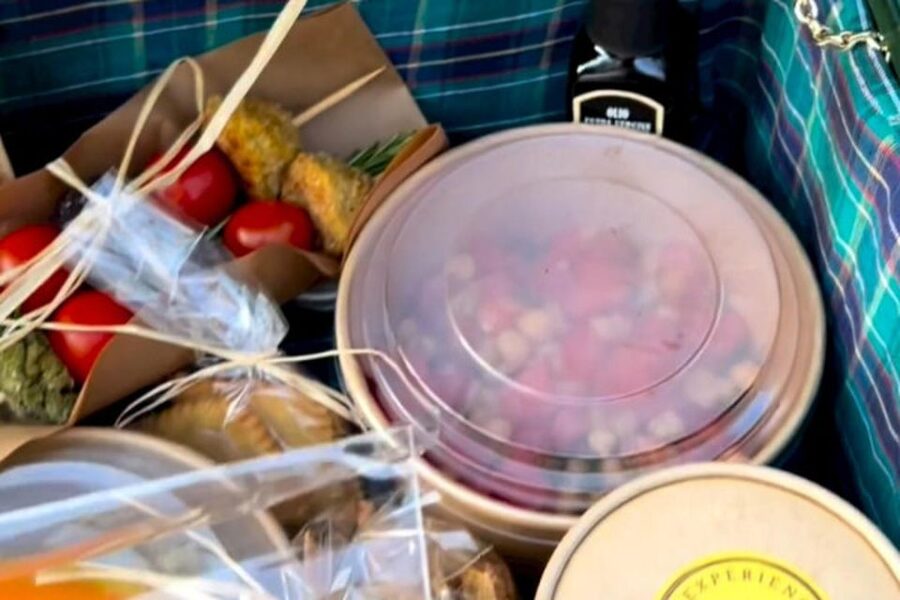
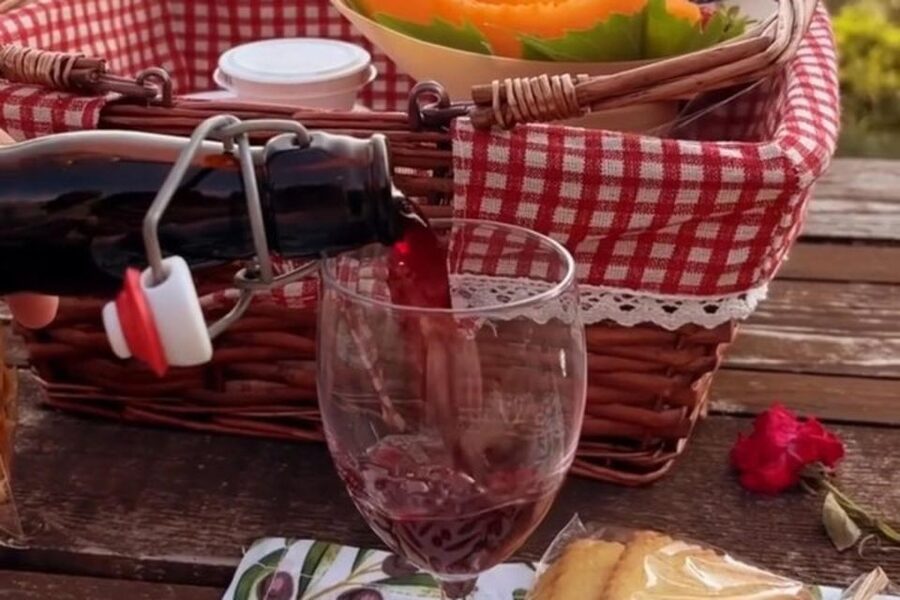
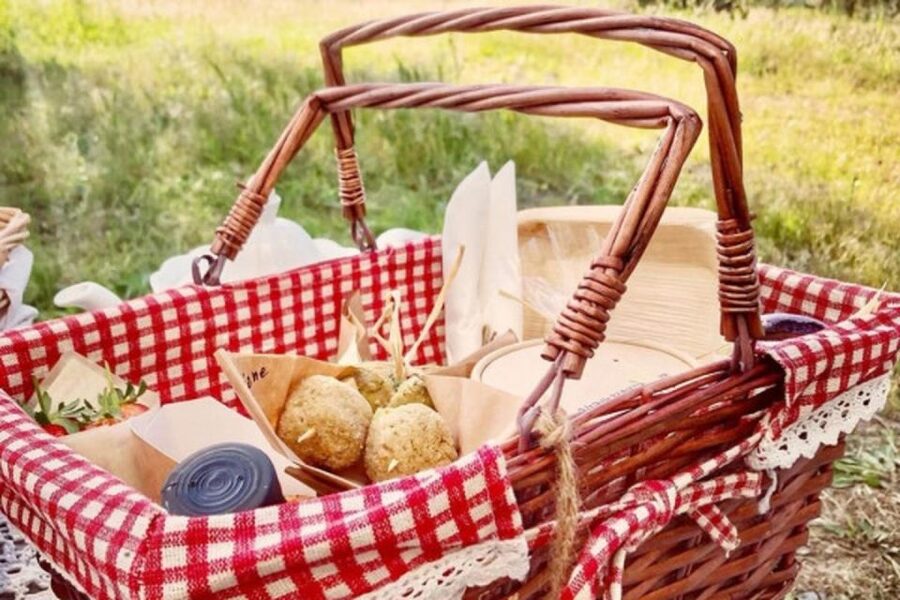
On arrival, you receive a picnic basket with local products plus wine and water. From there, the pairings are organized so each oil gets its moment with food. If you’ve ever had flavored oils that taste like gimmicks, this is a chance to see them used the way locals do: as part of a meal, not a marketing trick.
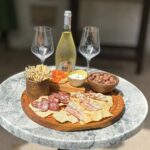
You may also see items like local bread and cured specialties served alongside the oils. In practice, the food pairing approach is one of the most praised elements, because the tasting feels grounded in real Sardinian eating habits, not just a classroom routine.
Hungry for Sardinia? Keep going

Dietary Needs: How to Make Sure Your Picnic Fits You
There’s good news if you need options: the experience offers vegan, gluten-free, and lactose-free choices. The key detail is that you must specify this in the notes when you book.
Because this is a tasting-plus-picnic setup, your dietary needs can change what lands in your basket. If you’re careful about cross-contact or ingredient restrictions, I’d keep your request specific rather than general.
Price and Value: Is $81 per Person Worth It?
At $81 per person for about 1 hour, you’re paying for more than samples. You’re paying for a guide-led tasting format, the ethnographic museum visit, the walk among olive trees, and a picnic basket with food plus wine and water.
Whether it feels like value depends on your goal. If you want to see how olives become oil with hands-on production access, you might feel the time is short. If you want a guided tasting with real local pairings in a small group, the price can feel fair because you’re getting the full food-and-flavor package.
Also, it’s a small-group activity. With a max of 8 participants, the guide time and attention matter, and you’re not stuck listening over a crowd.
Timing Matters: When It Can Feel Like a Tasting Table
Here’s the part to take seriously before you book. One booking experience described the event as more of a sales-and-tasting setup than a full look at active oil production, with limited visible pressing activity and heavier focus on serving the oils and food.
Another detail from that same kind of scenario: it can happen when the property is less active, such as in months when harvesting is not happening. That doesn’t mean the oils won’t be good. It means your expectations for factory-style viewing should be flexible.
So I’d frame it like this: you’re booking a guided tasting and picnic experience tied to an old oil site, not a guaranteed behind-the-scenes engineering tour. If you go with that mindset, you’ll be happier with what you get.
Language and the Q&A Advantage
The experience is offered in Italian and English. If English is your main language, it helps to know that guides may use simple explanations depending on their comfort level with English. The upside is that there’s plenty to ask about: how extraction systems evolved, how olive oil tasting works, and why the pairings make sense.
If you’re the type who likes asking why something tastes the way it does, you’ll get more out of this. The format is short, but the guide-led explanation gives you a reason to be curious.
What I’d Do Differently If I Were Planning Your Day
To get the most out of a 1-hour schedule, I’d pair it with a slower chunk of the day afterward. This is the kind of experience where you’ll want a calm lunch or walk after, since you’ll be tasting multiple oils and foods back-to-back.
Bring your most practical gear: comfortable shoes for uneven outdoor ground, and something for sun or wind. You’ll be outside for part of the experience, and you don’t want to spend the tasting thinking about your discomfort.
Who Should Book This Olive Grove Tasting
You’ll likely love this if you want:
- A guided extra virgin olive oil tasting you can understand quickly
- A Sardinia-focused food-and-wine moment that isn’t just a snack stop
- A small-group experience in the countryside around olive trees
- A chance to learn where olive oil comes from, using the production-history museum as context
You might think twice if you:
- Only care about seeing machinery and active pressing with lots of production access
- Want a long, multi-hour deep production tour
- Prefer very formal restaurant-style service (this is countryside hospitality and tasting pace)
Should You Book It?
I’d say yes, with eyes open. This is a strong choice when you want a short, guided EVOO tasting plus paired picnic tied to an olive production site in Escolca. The museum stop and the structured tasting course give it more meaning than a basic sampling session.
Just remember the timing reality: in some periods, the experience may lean more toward tasting and serving than full visibility of the milling process. If you’re okay with that, you’ll come away with a clearer sense of how olive oil becomes what you taste—and you’ll have eaten well while learning it.
FAQ
How long is the Sardinian olive oil tasting and picnic?
The experience lasts 1 hour.
What’s included in the price?
You get an extra virgin olive oil tasting with a guide and a picnic among the olive trees, including a picnic basket with food, wine and water.
Where do we meet?
Meet at Sa Mola oleificio, località Figarba, 08030 Escolca Provincia di Cagliari.
How big is the group?
It’s a small group limited to 8 participants.
What languages are offered?
The instructor/guide supports Italian and English.
Is there a tasting of flavored oils as well?
Yes. You’ll have flavored oils paired with local products, as part of the 7-tasting picnic.
Can you accommodate dietary restrictions?
Yes. There are options for vegan, gluten-free, and lactose-free needs—just make sure to specify them when booking.
Are there cancellation options?
There’s free cancellation up to 24 hours in advance for a full refund.
Is there a reserve now, pay later option?
Yes. You can reserve now and pay later.
At the Sardinia Table
More Tour Reviews in Sardinia



More Sardinian Tables and Cellars
New in from around Sardinia




Sardinian Food, Wine & Vermentino, compared.
 ★ 4.7Olbia: Gallura Winery Guided Tour with TastingFrom $61451 reviews
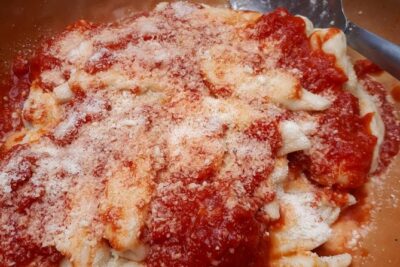 ★ 5.0Culurgiones Cooking Class CagliariFrom $96321 reviews
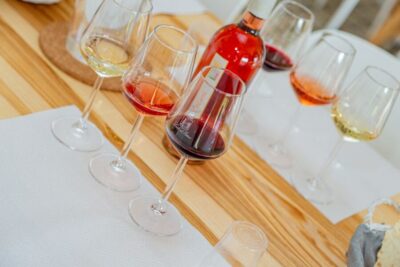 ★ 4.8Alghero: Wine and Olive Oil Tasting at a Local FarmFrom $43294 reviews
 ★ 5.0Guided Wine and Olive oil tastingFrom $40158 reviews
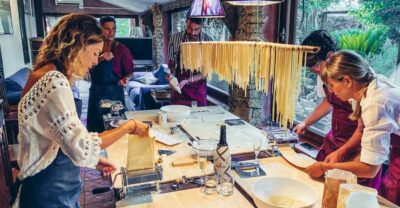 ★ 4.9Alghero: Sardinian Home-Cooking Class and MealFrom $123138 reviews
 ★ 4.6Olbia: Chef-Prepared Sardinian Tapas Tasting with WineFrom $7384 reviews
 ★ 4.5Olbia: Traditional Pasta-Making Guided WorkshopFrom $11473 reviews
 ★ 5.0LONGEVITY TOUR: Pasta Class&BlueZone Secrets with Simonetta BazzuFrom $18169 reviews
Browse the lists this tour appears in