
Reviewed · OLBIA & GOLFO ARANCI TOURS
Olbia: Sardinian Pasta-Making Guided Workshop
Sardinia teaches pasta like a family secret. This Olbia-area workshop pairs hands-on fresh pasta with wine tasting and a village day that feels like you stepped back in time. I love the way it’s built around real Sardinian lifestyle and longevity themes, not just cooking tricks. One thing to consider: there’s no hotel pickup, so you’ll want to plan how you’ll reach the country house meeting point.
The best part for me is the pasta lesson itself. You mix water and semolina and use traditional tools to shape different pastas, then you sit down and eat what you made. I also really enjoy the wine stop and the cellar visit, because you smell, taste, and learn how the wine is processed using older methods.
The only drawback is timing and commitment. It’s a 3.5-hour experience with multiple stops, so it may feel like a full block if you’re also trying to pack in beaches, boat trips, or late-night dining.
In This Review
- Key things to know before you go
- Why Gallura pasta-making feels like time travel
- Getting to the country house meeting point (and why it matters)
- Welcome drink and a village walk: learning the setting, not just the recipe
- The fresh pasta class: water, semolina, and old tools
- What to watch for during pasta time
- Wine tasting at the small cellar for the wine of eternal youth
- The rare gastronomic products exhibition and working tools
- Lunch or dinner with Gallura tradition: courses built for longevity
- If you’re choosing between lunch and dinner
- Is the $181.82 price worth it for a 3.5-hour class?
- Who this workshop suits best (and who might prefer something else)
- Should you book the Olbia Sardinian pasta-making workshop?
- FAQ
- How long is the Olbia Sardinian Pasta-Making Guided Workshop?
- Where does the workshop start and end?
- What languages does the live guide speak?
- What’s included in the price?
- Is hotel pickup or drop-off included?
- Can the workshop accommodate food intolerances or special requests?
- Is the experience wheelchair accessible?
- Are pets allowed?
- When will I know the tour runs, and what are my cancellation options?
Key things to know before you go
- You’ll make multiple fresh pastas, not just one quick shape.
- Wine tasting includes a cellar visit, with older processing methods explained on site.
- A food-and-tools exhibition gives context for Sardinian gastronomy and crafts.
- Lunch or dinner is part of the ticket, with courses that match the longevity theme.
- You start and end at the same country house, so plan your transport accordingly.
- Guides work in Italian and English, so you can follow easily even if your Italian is rusty.
What else is on around Olbia and Golfo Aranci
- Olbia: Dolphin Watching & Snorkeling Boat Tour near Figarolo★ 4.9 · 670 reviews
- Olbia: Tavolara and Molara Snorkeling Boat Tour★ 4.7 · 667 reviews
- Olbia: Gallura Winery Guided Tour with Tasting★ 4.7 · 451 reviews
- Olbia: Dolphin Watching and Snorkeling Boat Tour★ 4.9 · 358 reviews
Why Gallura pasta-making feels like time travel
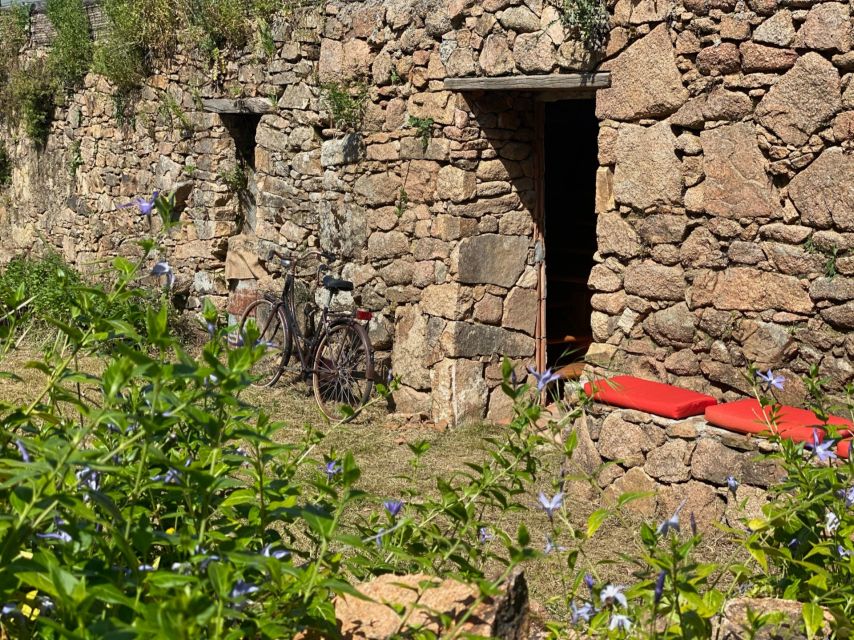
This isn’t your typical quick cooking class where you chop, stir, and leave. Here, you’re learning pasta as part of a wider Sardinian rhythm—how people live, how they farm and cook, and why food matters in everyday health and long life. The whole workshop uses the Gallura area as the thread, so pasta doesn’t feel like a random dish. It feels like a skill tied to place.
I especially like the longevity angle because it’s practical. You’re not just hearing a wellness pitch; you’re watching how ingredients and habits connect. Wine and food show up together, and the tour moves through lifestyle, then wine, then cooking, then eating. That flow helps the lessons stick.
And yes, you get the pleasure of slowing down. A country house setting, stories in the background, and time devoted to making dough the traditional way turns the session into more than a “do this, then that” checklist.
Getting to the country house meeting point (and why it matters)
The experience begins at a country house, and it ends right back there. That sounds simple, but it changes how you plan your day.
First, since there’s no hotel pickup, you’ll need your own transport or local ride plan. If you’re staying in Olbia, you’ll want to schedule something with buffer time so you’re not rushing through your first drink.
Second, because it’s a single out-and-back location, you won’t spend the class bouncing around the region with constant transit. That usually means more time actually doing things—mixing dough, shaping pasta, tasting wine, and sitting for the full meal. It’s the kind of structure that keeps energy up for a 3.5-hour block.
If you’re pairing this with another outing (a boat trip, a late dinner, a museum visit), I’d treat the start time seriously. The workshop has a set duration, and you’ll want to protect enough time around it so you’re not sweating every minute.
Welcome drink and a village walk: learning the setting, not just the recipe
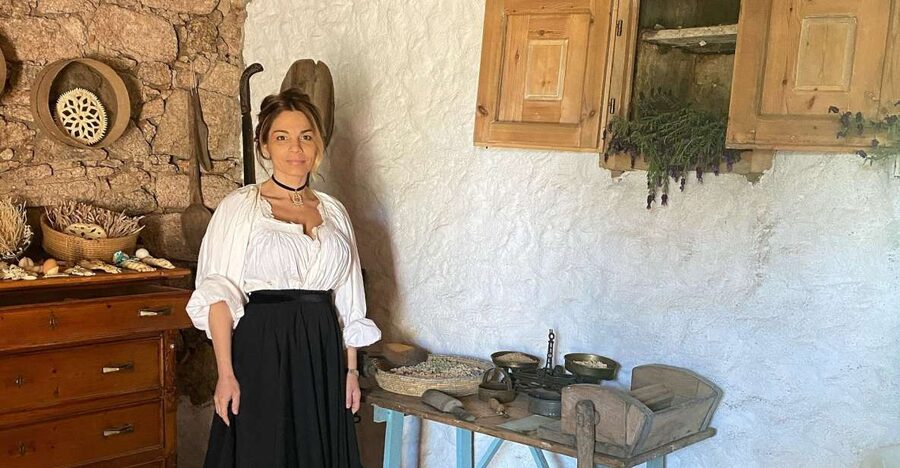
Before the pasta work starts, you get a breakfast or welcome drink and a guided village visit. This is a small but meaningful part of the experience. It gets you out of “kitchen mode” and into local context.
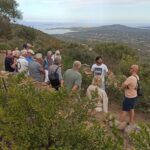
During the village walk, you’re learning the bigger picture: how everyday domestic work and lifestyle traditions connect to food. That matters because pasta-making isn’t only about technique. It’s about why ingredients were used, how tools shaped the food, and how routines supported long-term health.
If you like your tours with human scale—where you can look at objects, hear stories, and connect the dots between daily life and what ends up on the plate—this segment is a good warm-up. Even if you’re hungry already, the timing works because the welcome drink sets a calm pace before the hands-on part begins.
The fresh pasta class: water, semolina, and old tools
This is the heart of the day. You’ll take part in a guided cooking class focused on fresh Sardinian pasta, using traditional artisanal tools. The method is hands-on: you’ll mix water and semolina to create dough, and you’ll shape pastas connected to different areas of origin.
What I like most is the teaching style implied by the structure. The program doesn’t treat pasta shaping as a single trick. It treats it like a skill you practice—so you can appreciate what makes Sardinian shapes distinct and why the process matters.
You’ll also get the storytelling layer: old anecdotes, explanations of techniques, and the “secrets” of preparing the dough the traditional way. That’s not filler. It helps you remember what you’re doing and why.
From a value standpoint, this is one of the rare classes where your labor becomes your meal later. You’re not only learning; you’re also eating what you helped create. And that changes how you experience the food at the table—because you know how it came to be.
A little more Sardinian cooking and Vermentino
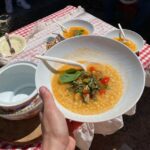
What to watch for during pasta time
- Wear something comfortable for hands-on work and time spent standing.
- If you’re sensitive to heat or long periods at tables, pace yourself during the shaping stages.
- If you have allergies or intolerances, plan ahead. The experience asks that you contact the number on your booking voucher at least one day in advance so the team can respond to special requests.
Wine tasting at the small cellar for the wine of eternal youth
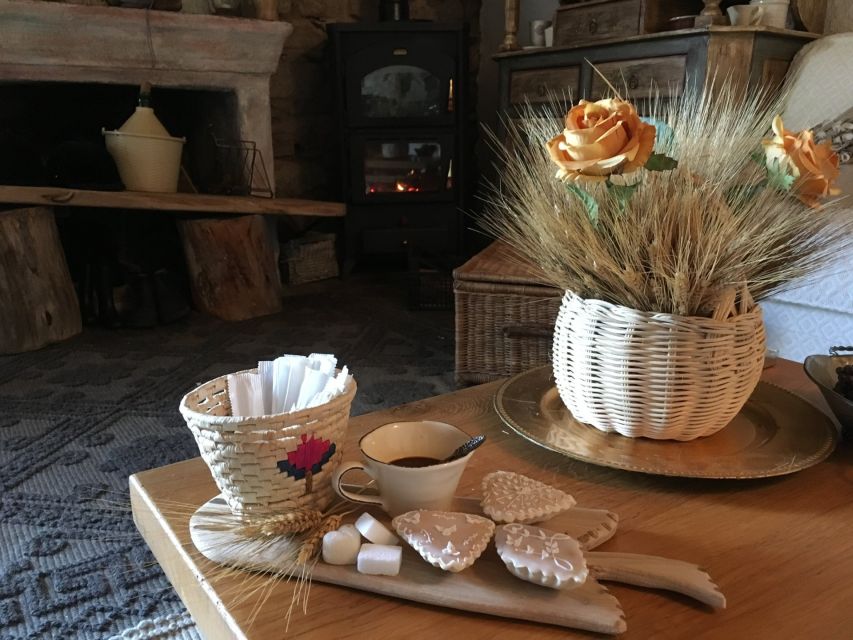
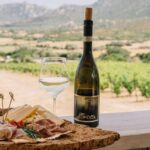
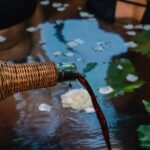
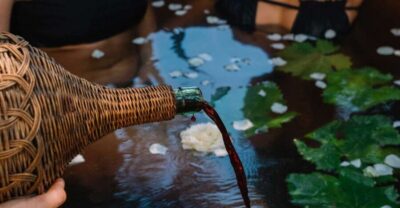
After the pasta work, you move to the village area for a small wine cellar visit. This stop focuses on “the wine of eternal youth” and explains how Sardinian wine is processed using older methods.
Here’s what makes this part worth your time: it’s not only tasting. You’re encouraged to smell the scents, taste the flavor, and notice the colors. That turns wine tasting into a guided sensory lesson, which is much more satisfying than simply having a sip and moving on.
I also like that this is tied to the longevity theme. Even if you don’t follow the wellness angle, pairing wine with food knowledge makes it feel relevant. The wine feels like part of the same story as the pasta and meal, not a random add-on.
If you’re the type who enjoys learning how traditional processes affect taste, you’ll get a lot out of this. You can’t help but see the cellar visit as practical education in how people preserved and improved flavor without modern shortcuts.
The rare gastronomic products exhibition and working tools
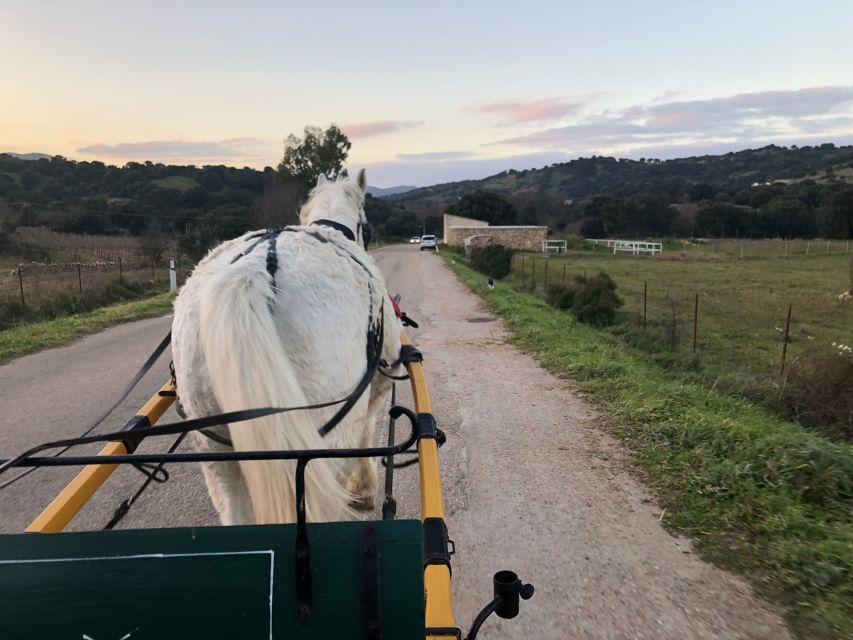
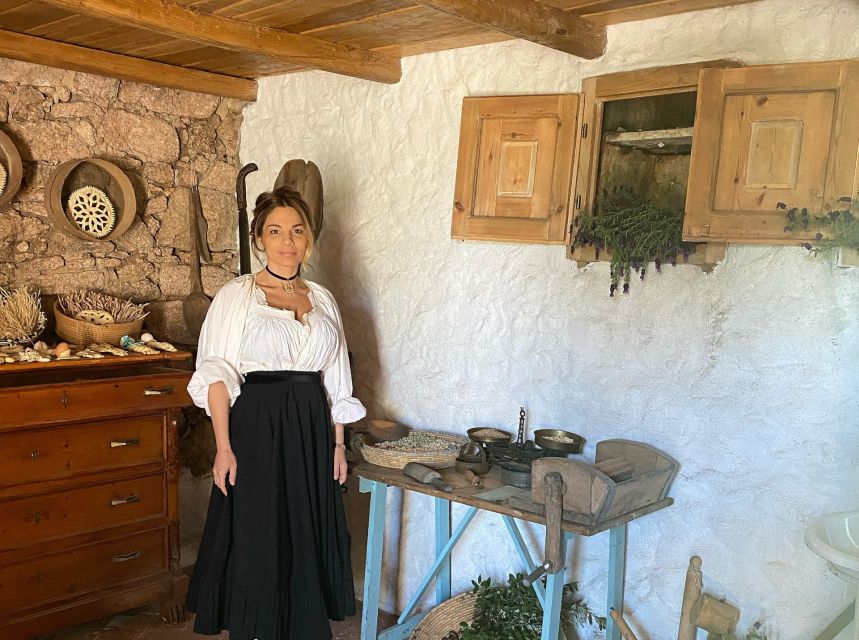
Between cooking and eating, you visit an exhibition featuring rare Sardinian gastronomic products and working tools of Sardinian arts. This is where the day shifts from food-only to craft-and-culture.
In plain terms, it helps you understand pasta as one piece of a wider ecosystem—tools, materials, and skills passed down over time. When you see what people used to work with, you start to understand why the old methods remain meaningful.
I’m glad this segment exists because it breaks the session into chapters. Pasta work can be very hands-on and physical. The exhibition gives you a quieter moment where you can reset your senses and absorb context. You also get a more complete picture of how Sardinia preserves identity through food and craft.
If you like museums but hate museum fatigue, this is a short, focused version. You’re not stuck for hours reading every label. You’re guided through the key ideas in a way that connects back to what you’re eating later.
Lunch or dinner with Gallura tradition: courses built for longevity
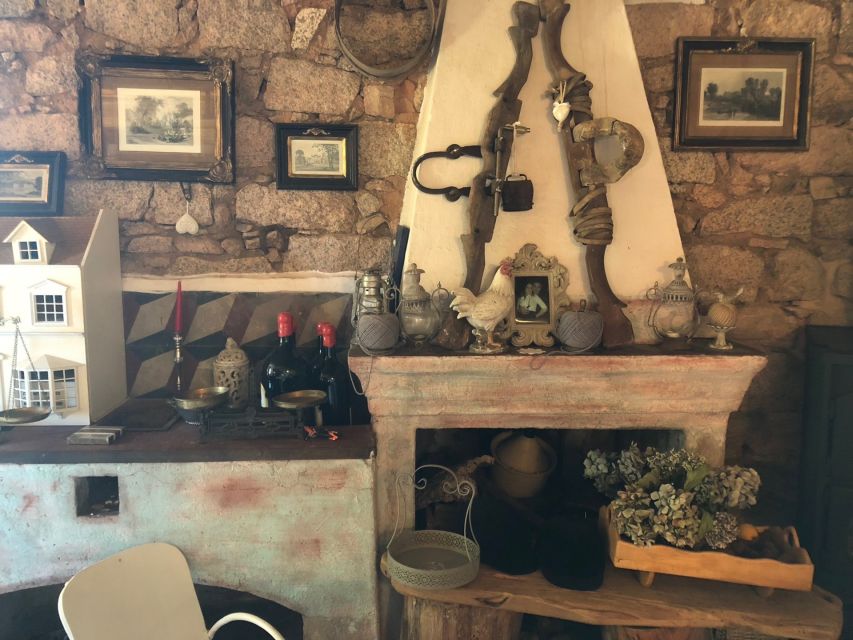
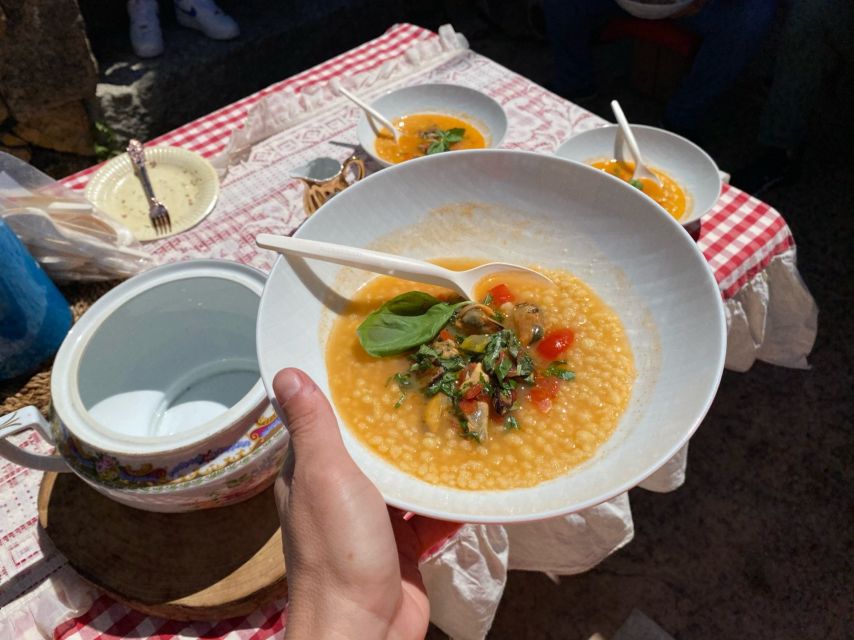
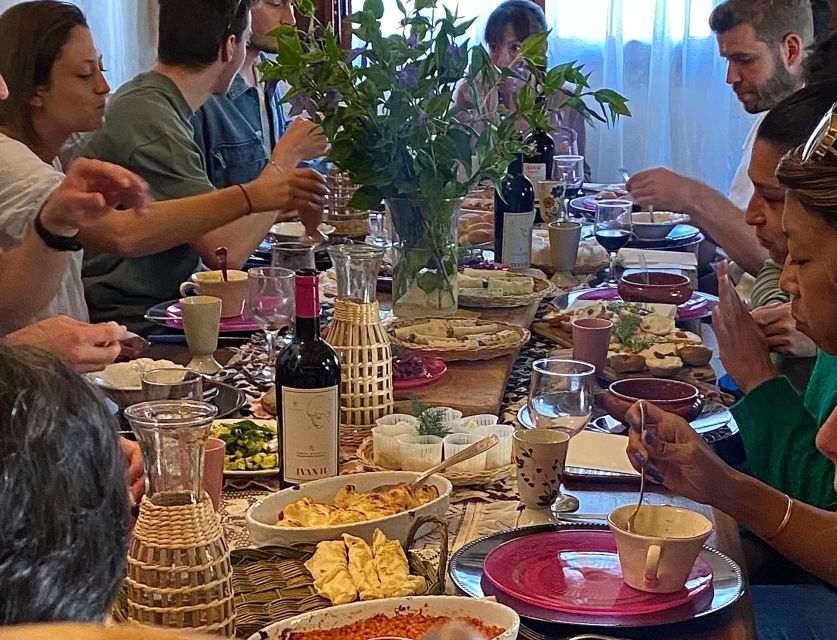
At the end, you sit down to a meal—either lunch or dinner, depending on your booking time. This is a multi-course affair, with starters and first courses through to desserts. You also get homemade bread and wine from the winery, plus digestives typical of the area.
What makes this meal feel like more than a “food stop” is the structure. The program is designed to lead to the first stage of longevity, using the same ingredients and traditions you’ve been learning about all day. The meal becomes the final chapter where pasta, wine, and local dishes come together.
I particularly like the way the menu is framed around Sardinian tradition, with a focus on Gallura. That means you’re not just eating generic Italian cooking. You’re trying dishes tied to the island’s local identity—plus digestives at the end that reflect regional habits.
If you’re choosing between lunch and dinner
The tour data doesn’t explain the difference by time slot, so I’d choose based on your day. If you’re pairing the workshop with other activities, pick the slot that keeps you from rushing. The overall experience still includes the same core elements: pasta class, cellar visit, exhibition, and a full meal.
Also, if you’ve got dietary restrictions, don’t wing it. The experience specifically notes you need to contact the number in your booking voucher at least one day in advance.
Is the $181.82 price worth it for a 3.5-hour class?
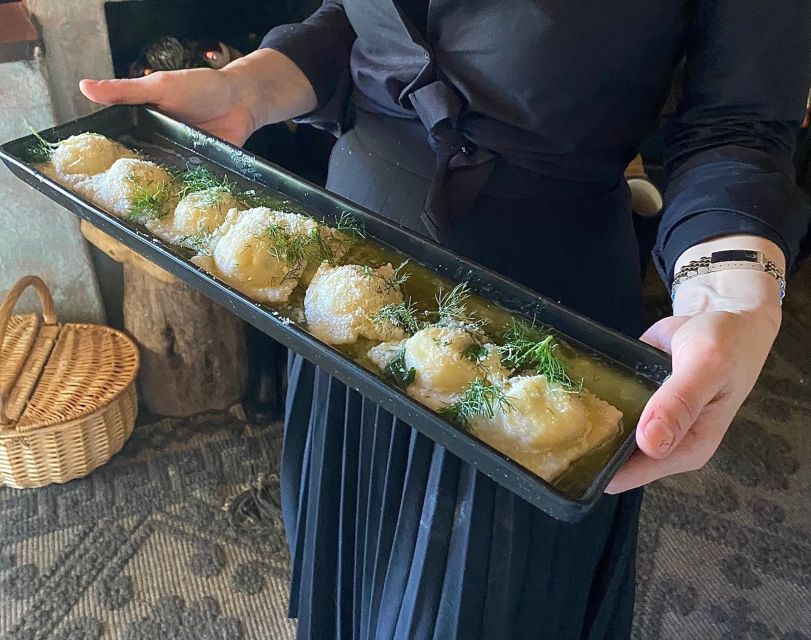
Let’s talk value in real terms. At $181.82 per person for about 3.5 hours, you’re paying for a few things most food tours split apart into separate tickets: instruction, a guided village component, a winery/cellar visit, a wine tasting, and a full meal with multiple courses.
You’re also not just watching. You’re shaping dough, using traditional tools, and then tasting the results. That kind of “learn + eat + drink + cultural context” bundling usually costs more when done separately.
One more practical value point: you get a live guide in Italian and English, so the experience isn’t a silent self-guided museum stop. It’s education plus hosting, and a lot of the reviews lean toward this being genuinely heartfelt and personal.
So, who wins here? People who like cooking classes when they’re not rushed and want a real cultural setting around food—not only a recipe.
Who this workshop suits best (and who might prefer something else)
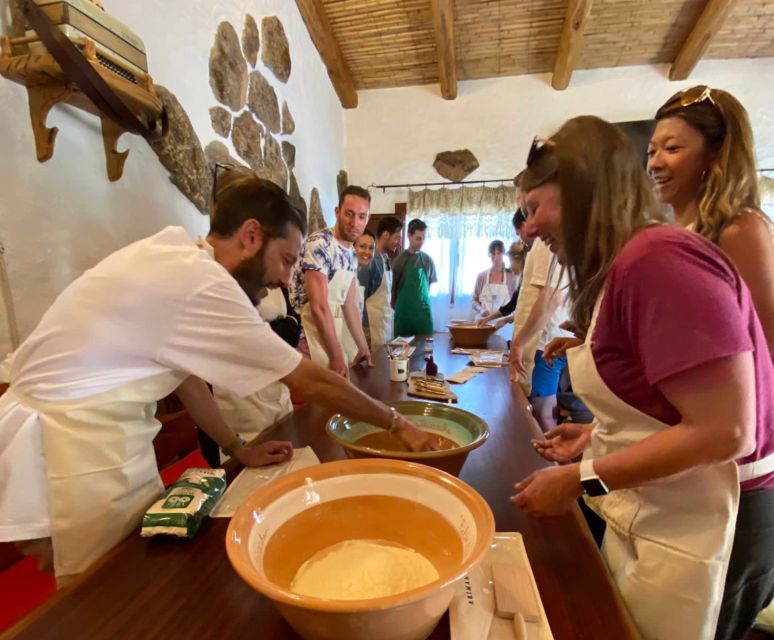
This workshop fits well if you want a day rooted in Sardinian daily life. You’ll be happiest here if you enjoy:
- Learning hands-on techniques (mixing dough, shaping pasta)
- Wine tasting with explanations of process, not just taste
- Short cultural stops that connect directly to the meal
It’s also a good option for couples and small groups who want a shared activity with a clear structure and a sit-down finish.
You might choose a different format if your schedule is ultra-tight or you strongly prefer a purely food-focused menu without the cultural village and exhibition segments. Also, if you hate the idea of planning transport to a country house (since there’s no hotel pickup), you’ll want to be sure you can get there comfortably.
Should you book the Olbia Sardinian pasta-making workshop?
If you’re looking for a cooking class that treats pasta as a living tradition—taught with stories, tools, wine, and a real meal—this is an easy yes. I like that it’s not only about what you do with your hands, but also about why the traditions exist and how they connect to longevity on the island.
Before you book, do two reality checks:
- Make sure your transport plan to the country house meeting point is solid.
- Pick a time slot that leaves breathing room around the 3.5-hour experience.
If those boxes are checked, you’re likely to come away with a lot more than recipes: you’ll come away with a better sense of how Gallura Sardinia thinks about food, wine, and long life.
FAQ
How long is the Olbia Sardinian Pasta-Making Guided Workshop?
The experience lasts 3.5 hours.
Where does the workshop start and end?
It starts at a country house and ends back at the meeting point.
What languages does the live guide speak?
The live tour guide speaks Italian and English.
What’s included in the price?
You get a guided tour of the village, a fresh pasta cooking class with necessary equipment, a welcome drink, lunch or dinner, and a visit to the winery.
Is hotel pickup or drop-off included?
No. Hotel pickup and drop-off are not included.
Can the workshop accommodate food intolerances or special requests?
Yes, but you must contact the number in your booking voucher at least one day in advance.
Is the experience wheelchair accessible?
Yes, it is wheelchair accessible.
Are pets allowed?
Pets are allowed if they are brought with a muzzle and leash. If they are small, a leash is sufficient.
When will I know the tour runs, and what are my cancellation options?
The tour is confirmed when it has at least two participants. You can cancel up to 24 hours in advance for a full refund, and you can reserve now and pay later.
More Tour Reviews in Olbia





More Sardinian Tables and Cellars
Around Olbia and Golfo Aranci

New in from around Olbia

Olbia & Golfo Aranci Tours, compared.
 ★ 5.0Dolphin Watching Tour – from Golfo AranciFrom $421,198 reviews
 ★ 4.9Olbia: Dolphin Watching & Snorkeling Boat Tour near FigaroloFrom $77670 reviews
 ★ 4.7Olbia: Tavolara and Molara Snorkeling Boat TourFrom $82667 reviews
 ★ 4.7Olbia: Gallura Winery Guided Tour with TastingFrom $61451 reviews
 ★ 4.9Olbia: Dolphin Watching and Snorkeling Boat TourFrom $77358 reviews
 ★ 5.0Tour to Figarolo Island with the possibility to observe dolphinsFrom $72302 reviews
 ★ 5.0Sailing ship from Porto San Paolo (S.Teodoro-Olbia) to Tavolara, MolaraFrom $119293 reviews
 ★ 5.0Dolphin Watching Tour with Snorkeling from OlbiaFrom $72275 reviews
Browse the lists this tour appears in