
Reviewed · OLBIA & GOLFO ARANCI TOURS
Olbia: visit a myrtle-making factory with tasting
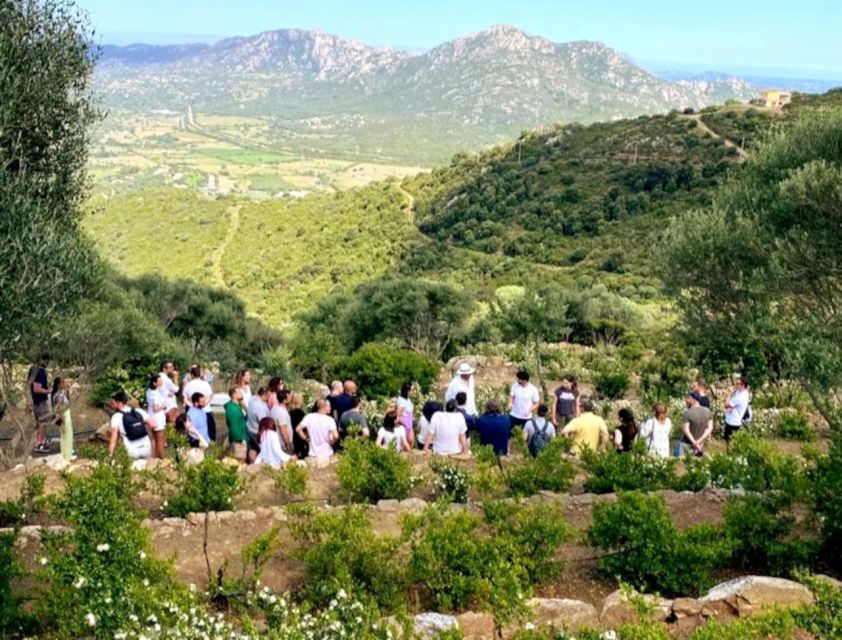
Myrtle in Sardinia is not just a drink. It’s a whole sensory route: a walk through myrtle cultivations with views over the Gulf of Marinella, then a tasting of iconic liqueur made right on site. I especially liked the way the four pours come with local pairings (pecorino, cold cuts, chocolate, and stracciatella/ice cream), and how the guide makes the aromas feel physical, not vague. One thing to plan for: the meeting point is car-only, and the last road section has a slope.
You’ll go with a small group (up to 10) and an English-Italian guide, with the visit capped at about 1 hour. The tasting itself is for ages 18+ (children get a different snack-and-juice set), and there’s an olfactory tasting of 100% pure essential oils after the liqueur. If you’re sensitive to alcohol, this is still a great stop for the botany and scents, but do pace yourself.
In This Review
- Key takeaways
- Myrtle on the Hill: What You See Before You Taste
- The Walk Through the Myrtle Cultivations and the Best Photo Points
- Inside the Workshop: Seeing Berry-to-Spirit in Real Time
- The Four Myrtle Liqueurs: Exactly What You’ll Taste
- Olfactory Tasting: Sniffing Essential Oils the Sardinian Way
- What About Kids and Mixed-Generation Groups?
- Price and Value: Is $70 for One Hour Worth It?
- Getting There from Olbia: The Car-Only Meeting Point
- Who Should Book This Myrtle-Making Tasting?
- Should You Book This One-Hour Olbia Myrtle Experience?
- FAQ
- What is included in the Olbia myrtle tasting?
- How many myrtle types will I taste, and what do they come with?
- Is the tasting suitable for kids?
- Can people with celiac disease participate?
- What is the olfactory tasting?
- How big are the groups?
- How do I get to the meeting point?
Key takeaways
- Gulf of Marinella views paired with a myrtle grove walk you can actually see, not just hear about
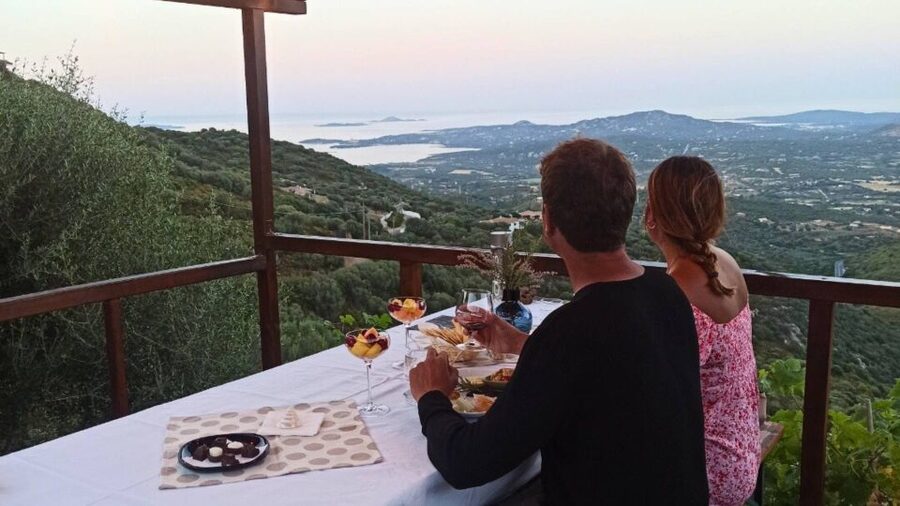
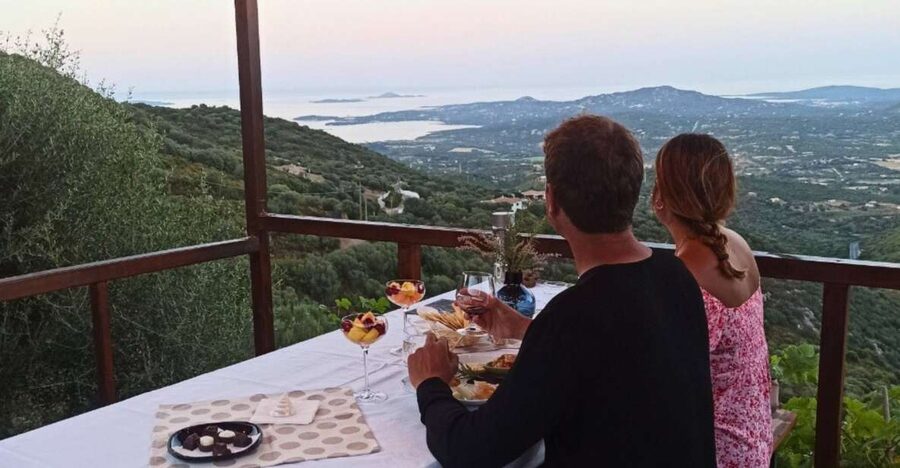
- Four myrtle liqueurs served with specific Sardinian bites, from pecorino to dark chocolate
- Production workshop visit where you learn how berries turn into spirits (plus the steam still explanation)
- Olfactory tasting of pure myrtle and other local plant essential oils via steam extraction
- Small group format (10 max) that makes it feel personal rather than rushed
What else is on around Olbia and Golfo Aranci
- Olbia: Dolphin Watching & Snorkeling Boat Tour near Figarolo★ 4.9 · 670 reviews
- Olbia: Tavolara and Molara Snorkeling Boat Tour★ 4.7 · 667 reviews
- Olbia: Gallura Winery Guided Tour with Tasting★ 4.7 · 451 reviews
- Olbia: Dolphin Watching and Snorkeling Boat Tour★ 4.9 · 358 reviews
Myrtle on the Hill: What You See Before You Taste
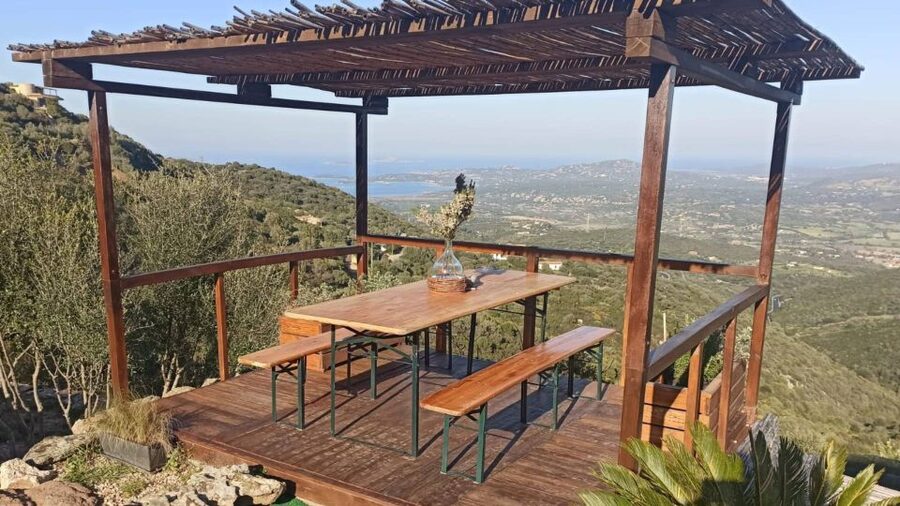
This is the kind of tasting that starts outdoors, which changes everything. Instead of meeting you in a bar and handing you glasses, this experience begins in the myrtle groves around eastern Sardinia’s Olbia area, with a direct line of sight to the coastline.
I love that you’re not guessing what you’re drinking. You walk among the plants the berries come from, then you move into the production area and see how the scent becomes liquid. The view over the Gulf of Marinella also matters. Even when you’re focused on flavors, it’s easier to pay attention when the air feels open and the sky is doing its job.
The first practical tip: go expecting a short, concentrated experience. You’re here for one hour on the schedule, but you’ll still have time to ask questions and slow down a bit during the tasting. Just don’t plan a long, leisurely stroll afterward.
The Walk Through the Myrtle Cultivations and the Best Photo Points
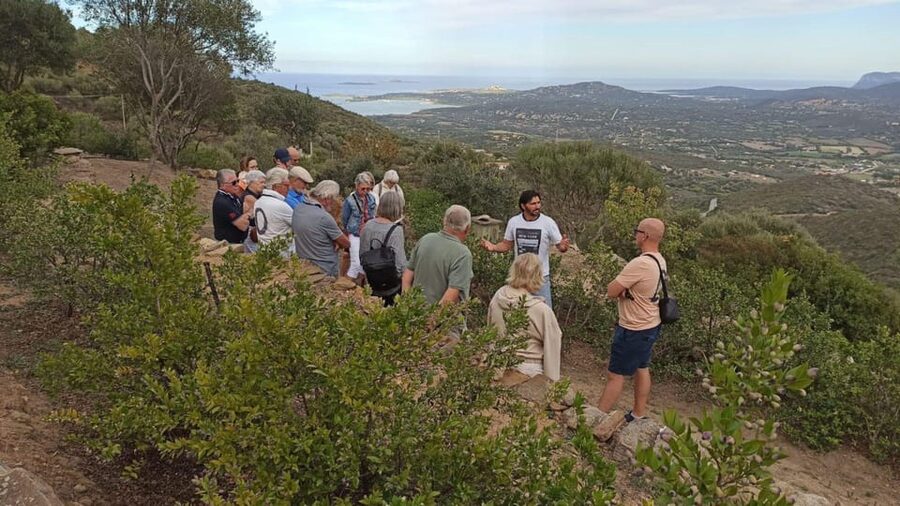
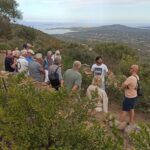
The grove visit is built around two things: getting the setting right and teaching you what to look for. You’ll walk through natural myrtle cultivations selected with care over generations, and your guide points out what makes local myrtle special.
You also get the best “stop and look” moments while you’re still fresh. That’s when you can enjoy the views without juggling a lot of logistics in your head. If you’re the sort who takes photos while listening, this works well.
A small note for comfort: since the setting involves a hillside and a slope near the meeting area, wear shoes with grip. You don’t need hiking boots, but you’ll be happier if your footing is stable during the walk and inside the production area.
And yes, pets are part of the real-world planning here: they’re allowed on a leash in open spaces, but not in the production lab. If you’re bringing a pet, you’ll need to tell the guide ahead of time.
Inside the Workshop: Seeing Berry-to-Spirit in Real Time
After the grove walk, you head to the production workshop and lab. This is where the experience shifts from “tasting” to “understanding.” You’ll watch and learn about the transformation of harvested berries into liqueurs with distinct scent profiles.
The tour includes an explanation of the harvesting and production cycle starting from the plants themselves. You’ll also hear about the steam still used in the process. Even if you don’t remember every technical step, you’ll leave with a clear mental map: where the aromas come from and why different myrtle styles taste different.
This part feels valuable because it’s not just a lecture. It’s a guided look at how the operation works, with enough detail to make the final tasting make sense. When you later smell essential oils extracted via steam, the earlier workshop talk helps it click.
If you’re worried about alcohol content, note that the liqueur tastings are arranged with measured pours (2 cl per myrtle type). Still, you’re tasting multiple drinks, so you’ll want to take your time and hydrate.
The Four Myrtle Liqueurs: Exactly What You’ll Taste
The tasting section is the star. It’s designed as a sensory progression, with each myrtle variety matched to a different local companion flavor.
Here’s the lineup you can expect:
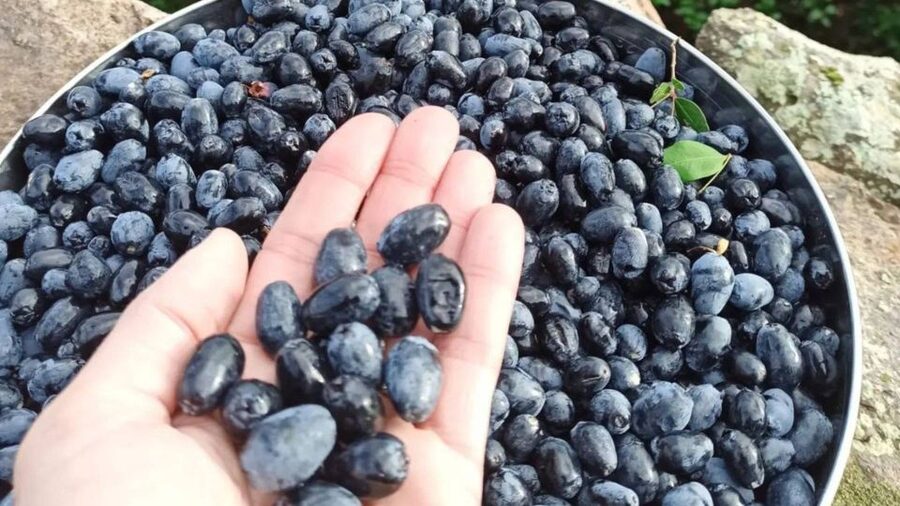
- Berry myrtle (2 cl), paired with small pieces of traditional pecorino cheese
- Berry and leaf myrtle (2 cl), paired with typical Sardinian artisanal cold cuts
- White myrtle (2 cl), paired with dark chocolate
- Myrtle and honey (2 cl), served on artisanal ice cream (stracciatella or vanilla)
I like that the pairing choices are not random. Pecorino gives you salt and fat, which helps highlight berry notes. Cold cuts lean savory, so you notice herb and botanical character more clearly. Dark chocolate adds bitterness and aroma, and it makes the white variety feel smoother. Honey with ice cream turns the myrtle into something dessert-like—sweet, floral, and very “Sardinia at home.”
One extra note from real visits: on at least one occasion with guide Antonio, the tasting lineup included an additional pour (a gin) alongside multiple myrto varieties. So if you’re a spirits fan, don’t be surprised if your guide adds a small creative extra—just follow the pace they set.
For anyone with celiac disease, the myrtle can also be drunk by people with celiac disease, so you won’t have to skip the fun on gluten concerns alone.
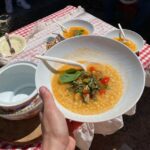
A little more Sardinian cooking and Vermentino
Olfactory Tasting: Sniffing Essential Oils the Sardinian Way
Right after the liqueur round, you do an olfactory tasting of essential oils. This isn’t “smell and guess” for entertainment. It’s structured, and it connects back to the earlier mention of steam extraction.
You’ll taste (by smell) three 100% pure and natural essential oils available from:
- myrtle
- wild lavender
- lentisk
- rosemary
These oils are extracted in a steam current from leaves and flowers of local plants. The result is that you get a clearer sense of plant aromatics than you would from a generic bottle at home. It also helps you understand why myrtle’s perfume is so distinctive—because you’re not only tasting the liqueur’s sweetness, you’re also tracing the plant’s volatile aromas.
I recommend doing the olfactory part slowly. Give each scent a moment. Try to separate what you think you smell (sweet, resinous, herbal) from what the guide describes. That little mental reset makes the whole tour feel sharper.
What About Kids and Mixed-Generation Groups?
This is one of the reasons I’d recommend the tour for families, as long as you match expectations.
The tasting described above is for ages 18 and up. Children and young people aged 6 to 17 get a different set: juice, a small snack with cheese, sausage, and carasau bread, plus ice cream.
That means adults can focus on the liqueurs and the essential oils without constantly translating. At the same time, kids aren’t sitting through alcohol-related instructions with nothing to do. It’s a tidy workaround that keeps the group experience flowing.
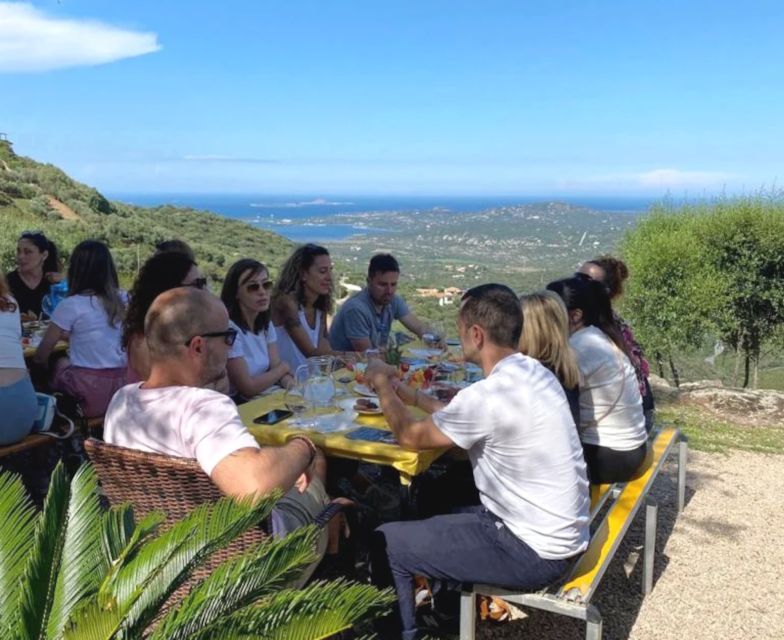
If you’re coming as a couple or a friends group, the small size also helps. A maximum of 10 participants means it’s easier to keep questions coming and not get stuck in a long line of people waiting.
Price and Value: Is $70 for One Hour Worth It?
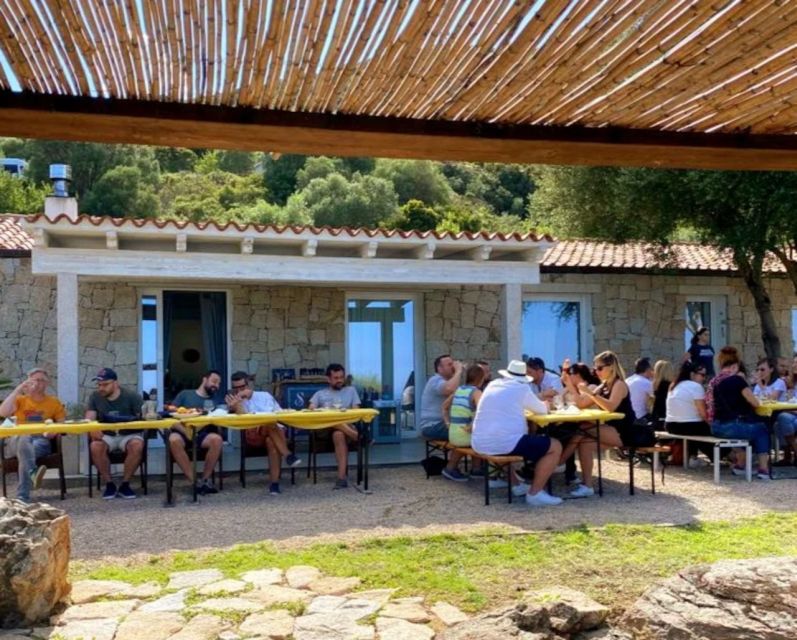
At $70 per person for a 1-hour experience, you’re not paying for a generic “drink and leave” situation. You’re paying for three layers that usually cost more when sold separately:
- a guided myrtle cultivation + production lab/workshop visit
- a measured tasting of multiple myrtle varieties with local pairings
- an additional olfactory tasting of pure essential oils
In other words, you’re buying context. That’s what turns a liqueur into an experience you actually remember. If all you wanted was alcohol, you could probably find a cheaper option. But if you want to know why Sardinian myrtle tastes the way it does—and smell the plants that create it—this price starts to look fair.
Also, the experience is small group only. With up to 10 people, the guide can slow down, answer questions, and actually connect the dots between grove, workshop, and glass.
My money-saving advice: if you’re doing multiple activities in the Olbia region, pick this as your “slow and sensory” stop. It’s the kind of experience that makes the rest of the trip feel more meaningful.
Getting There from Olbia: The Car-Only Meeting Point
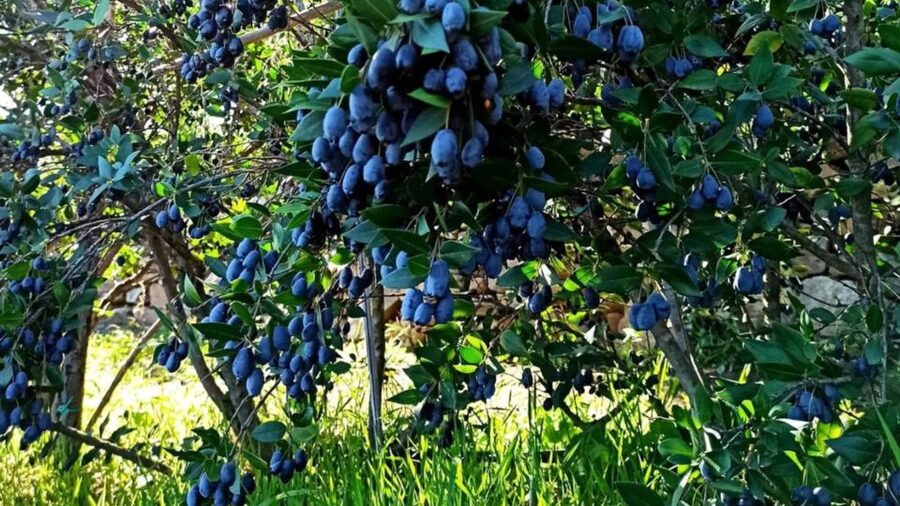
This is the main logistics hurdle, so plan for it early. You can reach the meeting point only by car. Public transportation isn’t an option here, and arriving by bike isn’t recommended because of the slope of the road in the last section.
The meeting instructions are specific:
- Drive along SS125 from Olbia
- Turn left at the intersection with Via Sannai
- Don’t follow the navigator for the turn
- Once at the entrance gate, ring the bell
Give yourself a few extra minutes the first time you do it. The “don’t follow the navigator” note matters, and getting there smoothly is part of avoiding stress during a short, timed experience.
If you’re sharing a car with others, it’s an easy arrangement. A one-hour stop is also a good fit if you don’t want to lose half a day.
Who Should Book This Myrtle-Making Tasting?
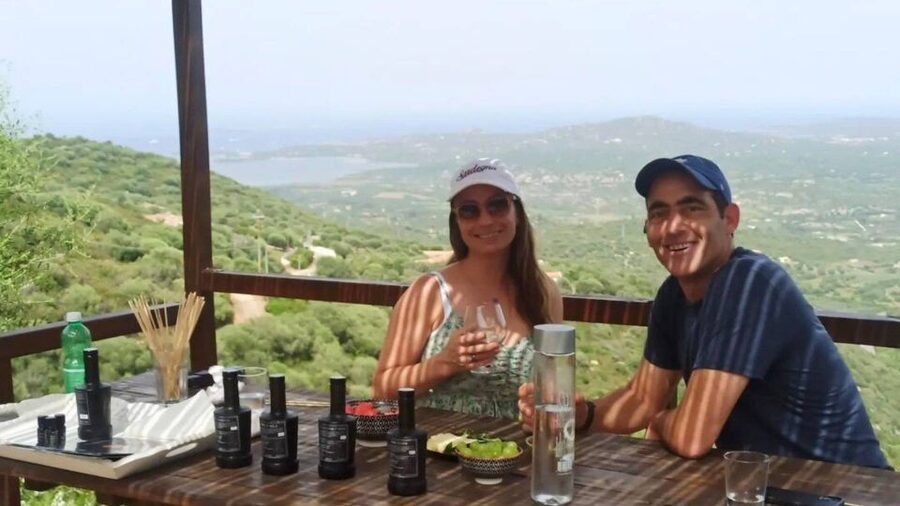
Book this if you want authentic Sardinian food-and-drink culture, with the botany and production process explained in plain language. It suits:
- couples and small groups who enjoy guided tastings
- people who like learning what’s behind local specialties
- anyone who’s curious about essential oils and scent profiles
- visitors staying near Olbia who want something grounded in place, not just a branded souvenir hunt
It may not be for you if:
- you hate driving on unfamiliar roads and don’t have a car
- you’re looking for a long, open-ended activity (this is tightly timed)
- you need a fully wheelchair-accessible route (the data provided doesn’t confirm accessibility, and the last road section has a slope)
On the flip side, the tasting includes measured pours and thoughtful pairings, so you can enjoy the experience without getting overwhelmed if you take your time.
Should You Book This One-Hour Olbia Myrtle Experience?
Yes, if you care about real local flavor and you like your tastings with context. For $70, you’re getting more than four drinks and a pretty view. You’re getting a guided walk, a workshop look at production, four structured tastings, plus a distinct scent experience with pure essential oils.
Skip it only if you can’t manage the car-only logistics or you’re traveling with someone who won’t do well with multiple alcohol tastings. If that’s not your situation, this is a smart, memorable way to experience Sardinia’s most iconic plant spirit—without rushing or guessing.
FAQ
What is included in the Olbia myrtle tasting?
You get a visit to myrtle cultivation and the laboratory/workshop, plus a myrtle tasting and an olfactory tasting.
How many myrtle types will I taste, and what do they come with?
You taste four types of myrtle: berry myrtle, berry and leaf myrtle, white myrtle, and myrtle and honey. Each is paired with local foods: pecorino, artisanal cold cuts, dark chocolate, and artisanal ice cream.
Is the tasting suitable for kids?
The liqueur tasting is for ages 18 and up. Children and ages 6 to 17 receive juice, a snack (cheese, sausage, carasau bread), and ice cream.
Can people with celiac disease participate?
Myrtles can also be drunk by people with celiac disease.
What is the olfactory tasting?
After the liqueur tasting, you’ll do an olfactory tasting of three 100% pure and natural essential oils from myrtle and local plants, extracted via steam current.
How big are the groups?
The tour is a small group with a limit of 10 participants.
How do I get to the meeting point?
It’s reachable only by car. Drive along SS125 from Olbia, turn left at the intersection with Via Sannai (don’t follow the navigator), then ring the bell at the entrance gate.
More Tour Reviews in Olbia



More Sardinian Tables and Cellars
Around Olbia and Golfo Aranci

New in from around Olbia

Olbia & Golfo Aranci Tours, compared.
 ★ 5.0Dolphin Watching Tour – from Golfo AranciFrom $421,198 reviews
 ★ 4.9Olbia: Dolphin Watching & Snorkeling Boat Tour near FigaroloFrom $77670 reviews
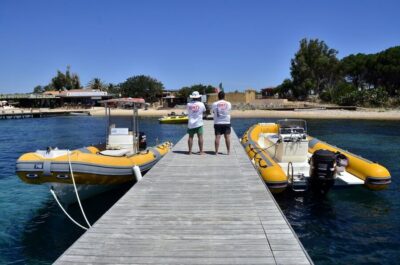 ★ 4.7Olbia: Tavolara and Molara Snorkeling Boat TourFrom $82667 reviews
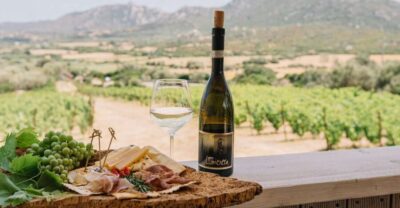 ★ 4.7Olbia: Gallura Winery Guided Tour with TastingFrom $61451 reviews
 ★ 4.9Olbia: Dolphin Watching and Snorkeling Boat TourFrom $77358 reviews
 ★ 5.0Tour to Figarolo Island with the possibility to observe dolphinsFrom $72302 reviews
 ★ 5.0Sailing ship from Porto San Paolo (S.Teodoro-Olbia) to Tavolara, MolaraFrom $119293 reviews
 ★ 5.0Dolphin Watching Tour with Snorkeling from OlbiaFrom $72275 reviews
Browse the lists this tour appears in