
Reviewed · VILLASIMIUS & CAPO CARBONARA
Villasimius: Capo Carbonara Boat and Snorkeling Tour
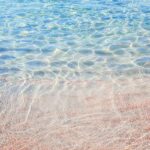
Turquoise water and real science come together here. I love the Marine Protected Area setting and the way the snorkel is guided in plain talk, so you understand what you’re seeing as you float above it. You also get time on the water with big views of the Carbonara coast, not just a quick swim. The only drawback to plan for: if you get nervous about getting wet in choppier open-water conditions, you’ll want a calmer-weather day.
The tour runs about 4 hours, starting inside the Subaquadive Service center in Villasimius. After a short safety talk, you’ll do two snorkeling sessions (a longer one first, then a second later) with break time between them, all while a captain handles the speedboat. You’ll leave knowing why this corner of Sardinia is protected and what that protection is doing for wildlife.
In This Review
- Quick takeaways before you go
- Capo Carbonara’s protected-water feel: why this coast is worth the boat ride
- From the Subaquadive center to the Marine Protected Area speedboat run
- First snorkel at Cavoli Island: timing, gear, and what to hunt for
- SCI story, Corsican seagulls, and the break on board
- Second snorkeling session around the islands and rock formations
- What’s included in the $60 price, and what you’ll pay for yourself
- Who should book this Capo Carbonara boat and snorkeling tour?
- Should you book this Capo Carbonara snorkeling tour?
- FAQ
- How long is the Capo Carbonara boat and snorkeling tour?
- How much does it cost?
- Where do I meet the guide?
- What’s included in the price?
- Is hotel pickup or drop-off included?
- Is food included?
- How big is the group?
- What languages are spoken during the tour?
- Does the tour provide snorkeling gear and wetsuits?
- FAQ
- Is this tour suitable for pregnant women?
Quick takeaways before you go
- Two snorkeling sessions spaced out so you’re not exhausted before the best wildlife spots.
- A marine guide in the water, with explanations you can actually use while you’re snorkeling.
- Cavoli and Serpentara areas for that full “wow, this coast is special” feeling.
- SCI conservation context (Sites of Community Interest) so the sea isn’t just scenery.
- Small group size (limited to 15), which makes it easier to get personal help.
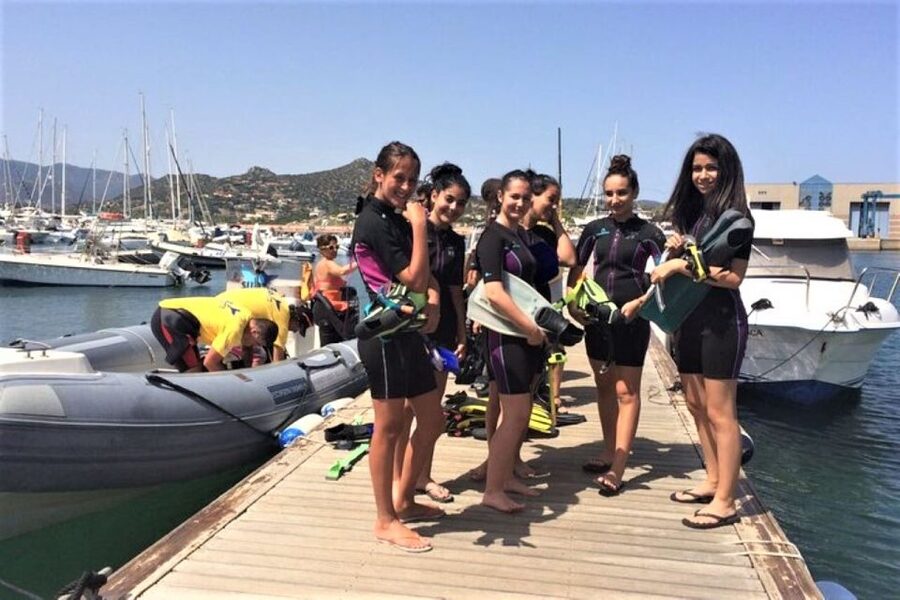
- Equipment included (including mask, snorkel, fins, and wet suit, based on past groups), plus soft drinks.
Snorkel spots around Capo Carbonara
- Villasimius: Capo Carbonara Boat and Snorkeling Tour★ 4.6 · 242 reviews
- Snorkeling in the Marine Protected Area of Capo Carbonara★ 4.5 · 48 reviews
- Villasimius and Solanas Beaches Day Trip from Cagliari with van★ 4.5 · 44 reviews
- Discover Scuba diving in Villasimius★ 5.0 · 34 reviews
Capo Carbonara’s protected-water feel: why this coast is worth the boat ride
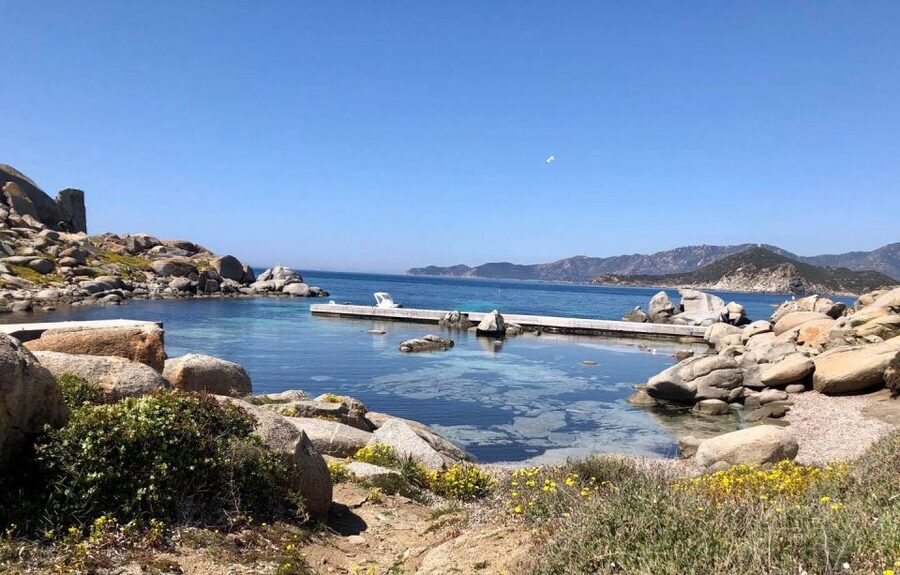
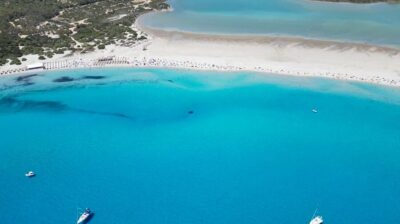
Capo Carbonara has that rare combination: sea that looks calm from far away, and life that actually shows itself when you get in. What makes this tour worth your time is that it’s not just about floating. You’re learning the why behind the scenery.
The Marine Protected Area part matters because it changes how the underwater world behaves. You’re in waters where conservation efforts have helped wildlife stick around. That’s why, when the guide points things out—fish, rock formations, and the invertebrates that live on the seabed—it doesn’t feel like you’re chasing random sightings. It feels like you’re observing a system that’s been cared for.
I also like the pace. This is a boat tour, but it doesn’t waste your energy bouncing between far-off places. You get a quick speedboat run out to the protected zone, then you’re snorkeling in that zone with multiple stops around the Capo Carbonara area. In other words: less “tour bus time,” more “actual water time.”
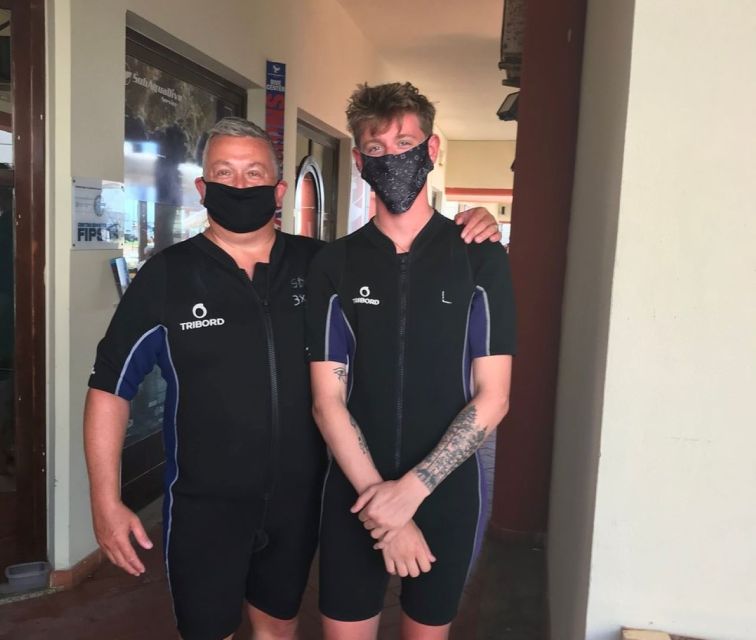
One more plus: you’re not stuck looking at the sea only from a deck chair. You’re seeing it from the surface, from snorkel level, and through the guide’s explanations. A few past guides mentioned by name—like Andrea, Toni, and Giulia—were praised for keeping things relaxed and safety-focused while still making the experience fun.
From the Subaquadive center to the Marine Protected Area speedboat run
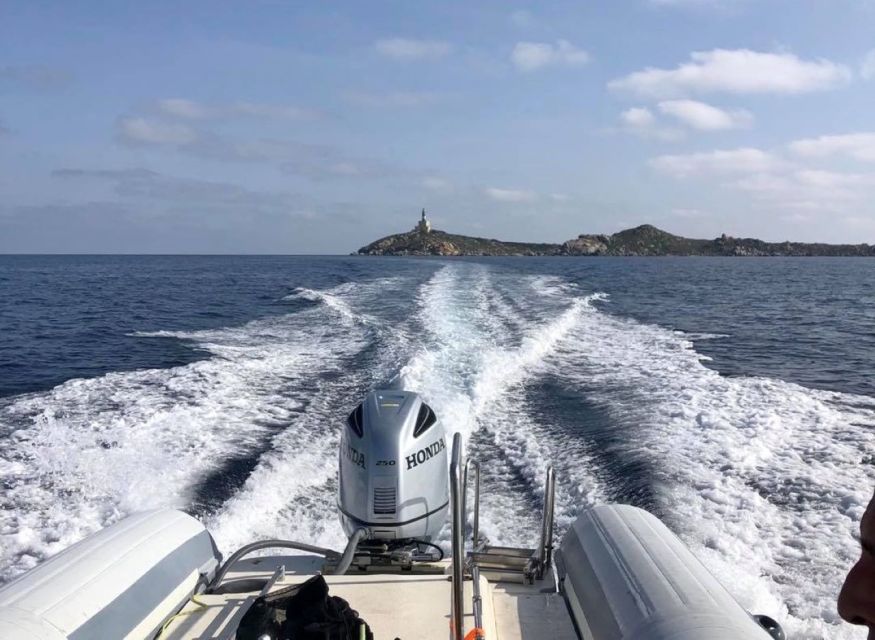
Your day begins at the Subaquadive Service center in Villasimius, where you meet the guide. From there, you’ll head out by speedboat for about 20 minutes. This is one of those “get your bearings fast” moments. You can look out toward the southern tip of Villasimius and start putting the coastline into context before you’re in the water.
There’s also a practical reality to speedboat tours: the trip is short enough that you’re not bored, but you’re still moving on open water. A review noted the captain was skilled at handling higher waves, and that detail matters. If seas are rough, you’ll feel it more in a small fast boat than you would on a larger ferry.
Once you reach the Marine Protected Area, you’ll get a safety briefing (about 10 minutes). That briefing isn’t there to slow you down. It helps everyone snorkel in a similar rhythm—so you’re not constantly turning back to check where people are. It also sets expectations for how long each session lasts and what the guide will focus on.
You’ll be in a small group (up to 15), which usually makes the logistics smoother and helps the guide keep an eye on people. In mixed-language groups, past groups reported the crew could cover multiple languages (English, French, Spanish, Italian), so you’re not left guessing what to do once you’re geared up.
First snorkel at Cavoli Island: timing, gear, and what to hunt for
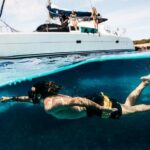
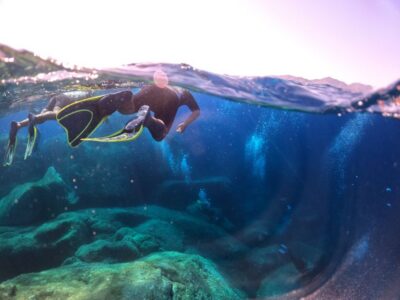
After the safety talk, your first snorkeling stop is Cavoli Island. The time in the water is about 50 minutes. That’s long enough to actually get comfortable, not just do a quick “check it off” swim.
You’ll want to pay attention early, especially if you’re new to open-water snorkeling. Several past groups said the instructors were reassuring and didn’t pressure people who were less confident. The best part of this setup is that the guide is in the water with you, pointing out what to look for while you’re still close enough to see it clearly.
Gear is a big deal here. One review explicitly mentioned full snorkeling equipment and a wet suit being provided, including mask, snorkel, fins. That’s a real value add because it removes the usual hassle of renting or packing gear.
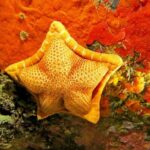
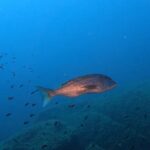
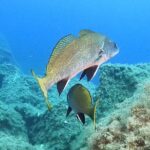
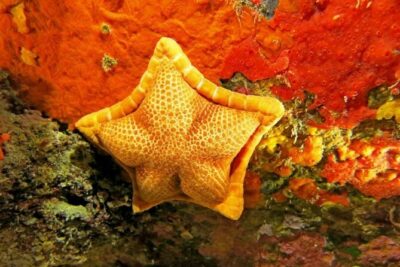
What you might see depends on conditions, but the tour is built around watching local marine life in its natural habitat. The guide helps you spot things like octopuses, salpi, groupers, snappers, sea stars, sponges, and algae—plus other underwater life you’ll notice once someone shows you what matters.
A couple of past groups also described seeing a shipwreck during the snorkeling portion. Another mentioned a stop that could include an underwater statue (Madonna de naufrago), though they advised confirming by email ahead of time because it can depend on conditions. So your takeaway: treat wrecks and statues as “possible,” but plan for the core goal—wildlife and rock formations—every time.
SCI story, Corsican seagulls, and the break on board
Between snorkeling sessions you’ll have break time (about 25 minutes). On a hot day, that break can feel like more than a pause. It’s where you reset your breathing, shake out your legs, and listen to the guide explain the bigger picture.
This is where the tour earns its “educational” label in a practical way. You’ll learn about the meaning of Sites of Community Interest, or SCIs. In plain terms: it’s a system for identifying and protecting areas important for preserving maritime habitats and the species that live there. When you understand the SCI idea, the underwater life stops feeling random. You start seeing it as the outcome of protection and rules that help maritime flora and fauna repopulate and recover.
The guide also points out conservation-focused details, including the endangered Corsican seagull whose population has been recovering in this region. Even if you don’t see one (you might not), the explanation helps you understand why the protected area exists beyond the snorkeling itself.
As for what happens during the break: one group mentioned a cookie and iced tea. Another mentioned hot tea and biscuits. Those specifics may vary by day, but the general idea is consistent—small comforts while you’re between water sessions.
I like the way this part ties together. You’re not just floating around hoping for fish. You’re learning the reasons the sea looks like it does, which makes the second snorkel more satisfying.
One or two more Sardinia outings we rate
Second snorkeling session around the islands and rock formations
After the break, you’ll head out again by speedboat for about 10 minutes, then you’ll return for a second snorkeling session of about 40 minutes. This second swim is slightly shorter, which makes sense—you’ve already spent time in the water once, and you’ve likely started recognizing patterns in the reef and rocks.
This is also the moment when you tend to notice more. Early on, you’re busy adapting: breathing through the snorkel, keeping your face calm in the water, and watching your hands so you don’t stir up sand. By the second session, you’re more focused on watching the animals’ behavior—how they move around rocks, how they react to passing shadows, and how the seabed life clings and grows.
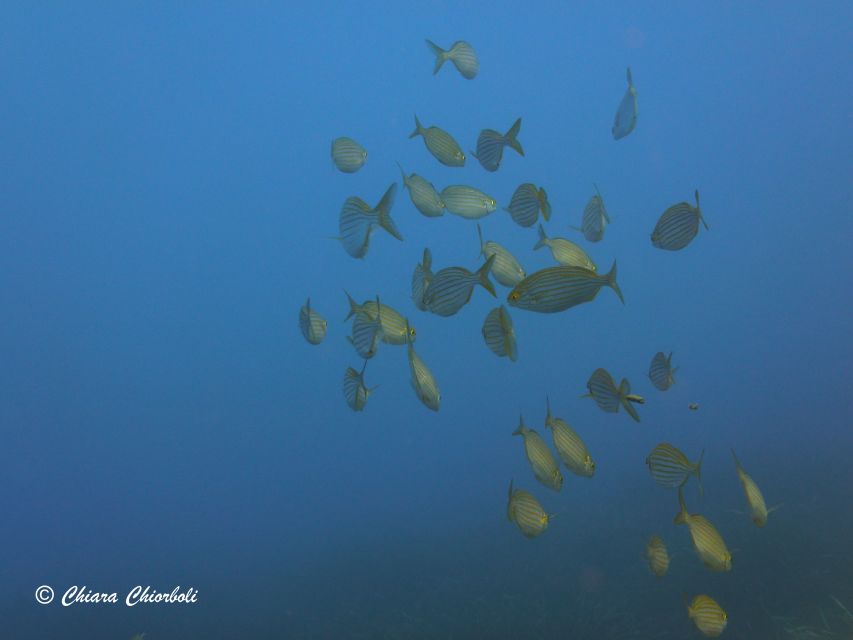
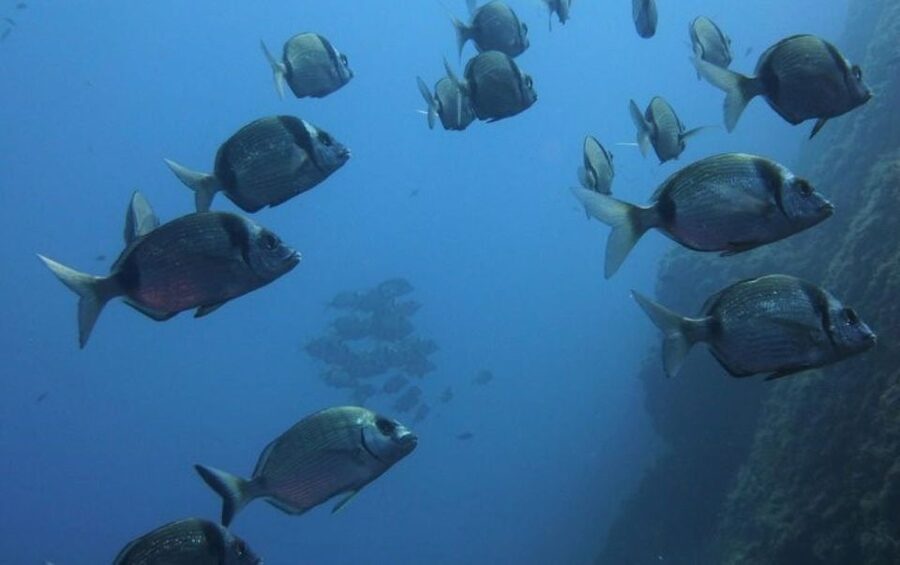
Past groups highlighted the variety of life they saw: starfish, urchins, lobsters, and fish hunting behavior were mentioned in separate accounts. The guide’s job is to help you see that variety, so you’re not looking at the ocean like it’s one big aquarium wall.
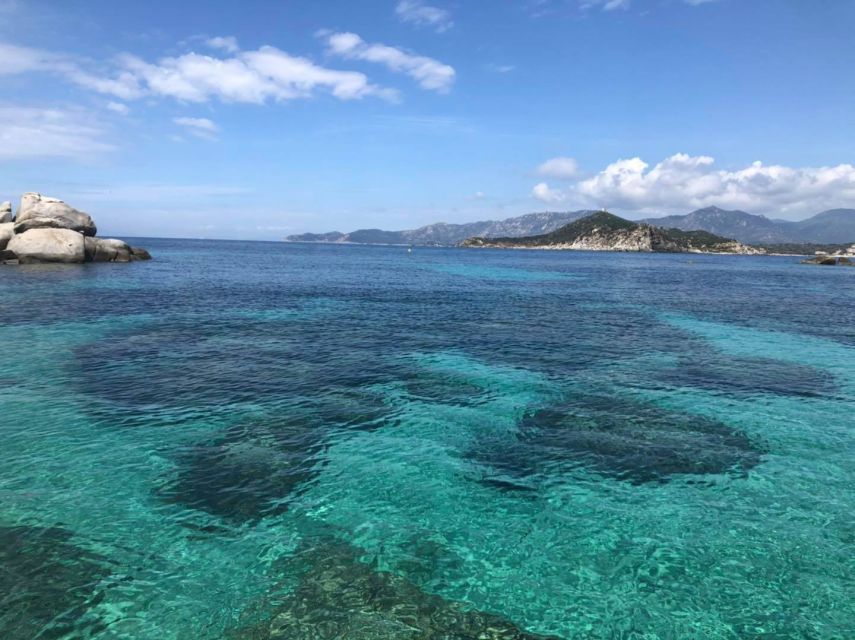
The tour also emphasizes the Capo Carbonara coast’s rock formations and island areas connected to Cavoli and Serpentara. Even when you’re not snorkeling at every exact point, the sailing time gives context. You’re watching the coastline slide by and matching that with what your guide points out underwater.
And yes, this is still open-water snorkeling. One review recommended choosing a morning if you want calmer water, which is smart advice if you’re sensitive to waves. Another noted windy conditions still allowed the tour to happen, but it made pre-snorkel water time feel tougher for someone who wasn’t expecting bigger waves. Translation: pick your time slot if you can, and come ready to get wet.
What’s included in the $60 price, and what you’ll pay for yourself
At about $60 per person for roughly 4 hours, this tour can feel like good value if you compare it to the cost of boat transport plus a guided experience plus entry into the protected area.
Here’s what’s included:
- Boat ride on the speedboat
- Guide (English and Italian)
- Soft drinks
- Entry to the Marine Protected Area of Capo Carbonara
What’s not included:
- Hotel pickup and drop-off
- Food
That means you should budget for lunch or a snack of your own if you need it. The break can include small treats like tea and biscuits in some cases, but don’t count on a full meal.
The real value, though, is the guide-led part. You’re not just paying for the boat. You’re paying for someone to translate the underwater world into things you can actually spot: which creatures belong here, where they tend to show up, and how protected status changes the ecosystem.
Small group size also protects your value. With up to 15 participants, you’re less likely to feel lost in a crowd. One review even described a near-private scenario in calm conditions, which is the kind of day that happens when timing and water conditions line up.
If you’re watching your spend, this is also a “low friction” option. You’re not assembling a DIY day of boat rentals, separate entry fees, and random snorkeling instruction. You show up, get geared up, and go.
Who should book this Capo Carbonara boat and snorkeling tour?
This tour fits best if you want a guided snorkeling day that’s built around a real protected area. If you’re the type who likes understanding what you’re seeing—not just snapping photos—this makes sense.
It’s also a good choice if you’re traveling with teenagers or mixed swimming abilities. Multiple reviews praised the guides for helping people who were less eager or less experienced, keeping the mood relaxed while still maintaining safety. The guide can also adjust to your comfort level, which matters when you’re snorkeling in open water for real time.
It’s not suitable for pregnant women, so don’t plan on taking a chance with that.
Language-wise, you’ll have a live guide in English and Italian. In at least one mixed group report, the crew covered English, French, Spanish, and Italian, which is a nice bonus if your group isn’t all Italian or English speakers.
If you’re sensitive to rough water, consider choosing a calmer time of day. A morning option was specifically mentioned as a way to get calmer conditions.
And if you’re visiting Villasimius and want one major nature-focused day without getting bogged down in logistics, this is a very straightforward pick.
Should you book this Capo Carbonara snorkeling tour?
Book it if you want:
- Two real snorkeling sessions with instruction, not just a short swim
- A tour that explains why this sea is protected (SCIs) and what wildlife is recovering
- A small-group boat day that’s heavy on nature time and light on hassle
Skip it if:
- You’re very nervous about open-water conditions and waves, and you can’t choose a calmer slot
- You need a full meal included (food isn’t part of the package)
- You’re looking for shore-based sightseeing only (this is a boat-and-water experience)
FAQ
How long is the Capo Carbonara boat and snorkeling tour?
The tour lasts about 4 hours.
How much does it cost?
It costs about $60 per person.
Where do I meet the guide?
Meet your guide inside the Subaquadive Service center in Villasimius.
What’s included in the price?
The tour includes the boat ride, a guide, soft drinks, and entry to the Marine Protected Area of Capo Carbonara.
Is hotel pickup or drop-off included?
No, hotel pickup and drop-off are not included.
Is food included?
No, food isn’t included.
How big is the group?
It’s a small group limited to 15 participants.
What languages are spoken during the tour?
The live tour guide speaks English and Italian.
Does the tour provide snorkeling gear and wetsuits?
Snorkeling equipment was reported as included in past groups, including mask, snorkel, fins, and a wet suit.
FAQ
Is this tour suitable for pregnant women?
No, it’s listed as not suitable for pregnant women.
More Tours in Sardinia
More Tour Reviews in Sardinia
More of Capo Carbonara

New in from around Sardinia
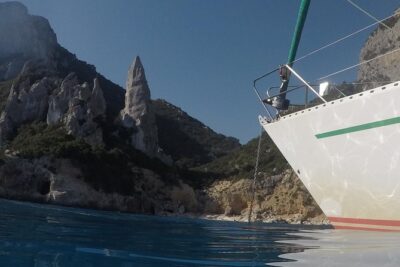
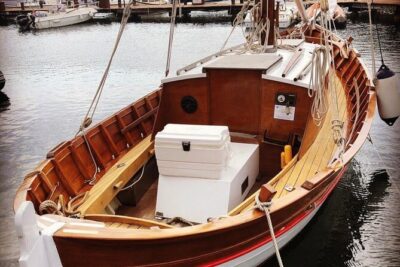
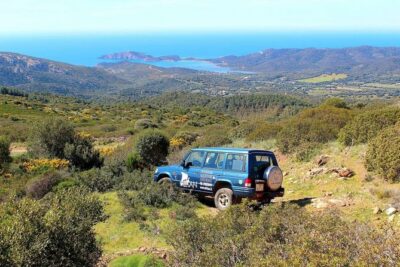
Villasimius & Capo Carbonara, compared.
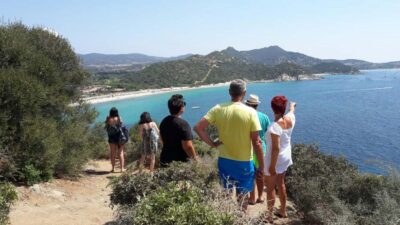 ★ 4.5From Cagliari: Villasimius and Solanas Beaches TourFrom $100132 reviews
 ★ 4.7Villasimius: Snorkeling Tour in Capo CarbonaraFrom $5961 reviews
 ★ 4.7Beachtour Porto Giunco & Cala Sinzias from CagliariFrom $10552 reviews
 ★ 4.7From Cagliari: Villasimius Beach tour Full-dayFrom $10549 reviews
 ★ 4.5Snorkeling in the Marine Protected Area of Capo CarbonaraFrom $6648 reviews
 ★ 4.5Villasimius and Solanas Beaches Day Trip from Cagliari with vanFrom $10244 reviews
 ★ 5.0Discover Scuba diving in VillasimiusFrom $10634 reviews
 ★ 5.0Tour of the beaches in VillasimiusFrom $10828 reviews
Browse the lists this tour appears in