
Reviewed · BARBAGIA: ORGOSOLO, NUORO & OLIENA
San Sperate Murales Tour – Visit a Typical Sardinian Village
Murals don’t hang on walls here. They take over the village. This San Sperate Murales Tour turns an easy countryside stop into a real open-air murals experience, where art connects to everyday rural rhythms. I also like how the tour centers on village life, not just pictures—so you notice the people, the lanes, and the small habits that keep the place moving.
Two things I really value: the murals’ focus on work and festivals, and the way you get time to walk slowly enough to see what’s on every corner. One consideration: you’ll be on your feet for about 3 hours on village streets, so comfortable shoes matter, and there’s no food or drinks included.
In This Review
- San Sperate Murales Tour: The Village-Museum Feeling
- Key Points You’ll Actually Notice
- Getting From Cagliari: Viale La Plaia to San Sperate
- The Open-Air Museum Effect: Murals That Tell Sardinia’s Daily Stories
- The 3-Hour Guided Walk: Narrow Lanes, Corners, and Painted Traditions
- Gardens, Flowers, and Contemporary Pieces You Can Spot on Your Own
- Why the Elderly Community Changes the Whole Experience
- Price and Value for a 4-Hour Small-Group Art Walk
- Should You Book the San Sperate Murales Tour?
- FAQ
- Where is the meeting point for the San Sperate Murales Tour?
- How long is the tour?
- Is transportation included?
- What does the tour include besides the walk?
- Are food and drinks included?
- What group size is this tour?
- What languages is the guide available in?
- What should I bring?
- What is the price per person?
San Sperate Murales Tour: The Village-Museum Feeling
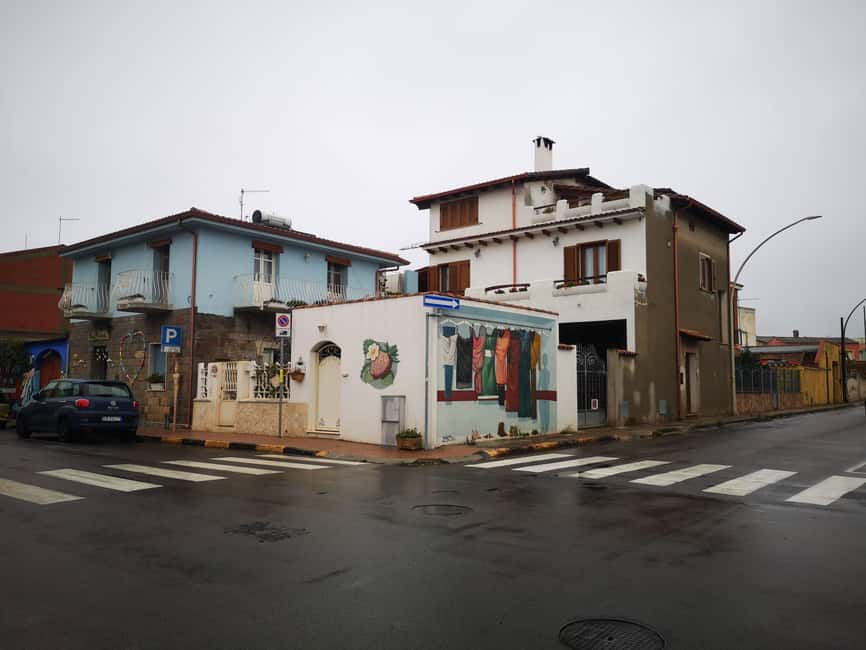
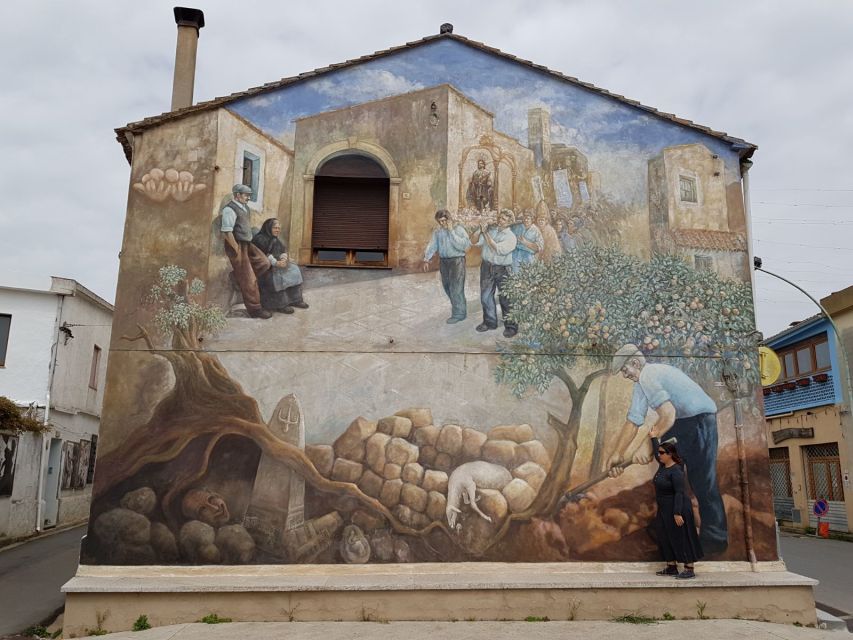
San Sperate is often described like an open-air museum, and that description fits. Walls carry stories of agricultural traditions and religious festivals, painted in a way that makes the village feel like it’s narrating itself as you walk. Even better, you’re not stuck in one spot; the art appears as you turn down little roads and pass homes, gardens, and side details.
The best part is the human scale. This is a working village with an active older community, including nonagenarians who go about daily routines—cycling, chatting, and staying independent. That creates a different kind of atmosphere than a typical museum visit: you’re not only looking at art, you’re watching culture happen.
Up into the Barbagia and Orgosolo
Key Points You’ll Actually Notice
- Open-air murals in daily-use streets: art is part of the village texture, not a separated exhibit.
- Small group (max 6): you get more back-and-forth time with your guide.
- Murals about bread, harvests, and celebrations: the themes are everyday Sardinia, not abstract themes.
- Gardens, flowers, and little roads: the walk rewards slow attention.
- Traditional and contemporary art installations: past and present sit in the same view.
- Active elderly residents: you’ll see a living community, not a staged backdrop.
Getting From Cagliari: Viale La Plaia to San Sperate
Your day starts at Viale la Plaia, 1 in Cagliari, right in front of the ENI Gas Station. From there, you’ll ride in a comfortable air-conditioned car for about 30 minutes. That matters because it keeps the experience practical: you’re not piecing together transport or negotiating local schedules before your walk.
The drive also sets expectations. San Sperate feels like a change of pace from Cagliari, and the tour timing keeps you from turning it into a half-day logistics exercise. Total duration is about 4 hours, which is a sweet spot if you want countryside culture without committing to a full day.
One small drawback to keep in mind: the schedule is structured, so you’ll be following the guide’s rhythm. If you like total freedom to wander on your own, this tour may feel a bit directed—but that also helps you catch stories you might otherwise miss.
The Open-Air Museum Effect: Murals That Tell Sardinia’s Daily Stories
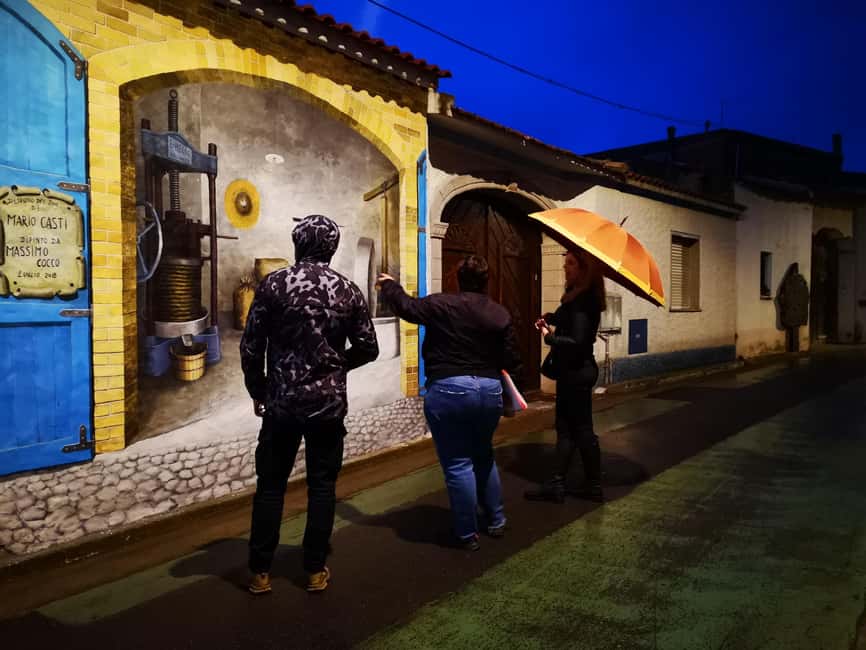
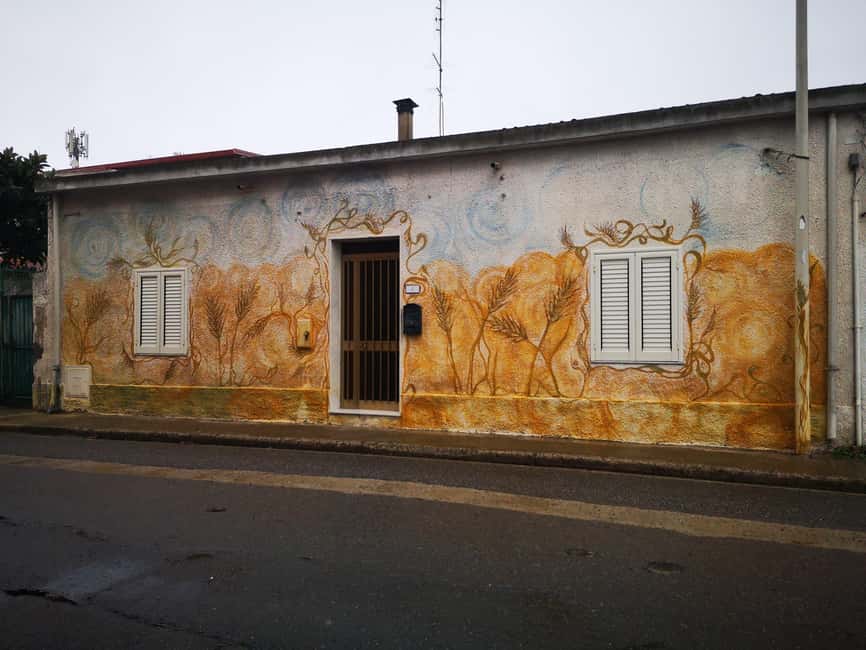
San Sperate’s murals aren’t random decorations. You’ll see paintings that connect to rural life—things like bread-making rituals and harvest celebrations—plus images tied to religious festivals and village routines. The result is that you start reading the village like a storybook: each painted wall adds a new chapter.
You’ll also notice that the art changes as you move. There are traditional mural scenes, and you’ll encounter contemporary art installations too. That contrast is part of what makes the village feel current. It’s not just preserving the past; it’s showing how art still has a job to do in everyday life.
If you care about cultural context, the guide helps you connect the dots. In past tours, guides including Claudia have been praised for showing the art with real passion and for explaining the history behind what you’re seeing. That’s important here because the murals are visual, but they also have meaning—and the guide’s job is to translate that meaning while you’re walking.
The 3-Hour Guided Walk: Narrow Lanes, Corners, and Painted Traditions
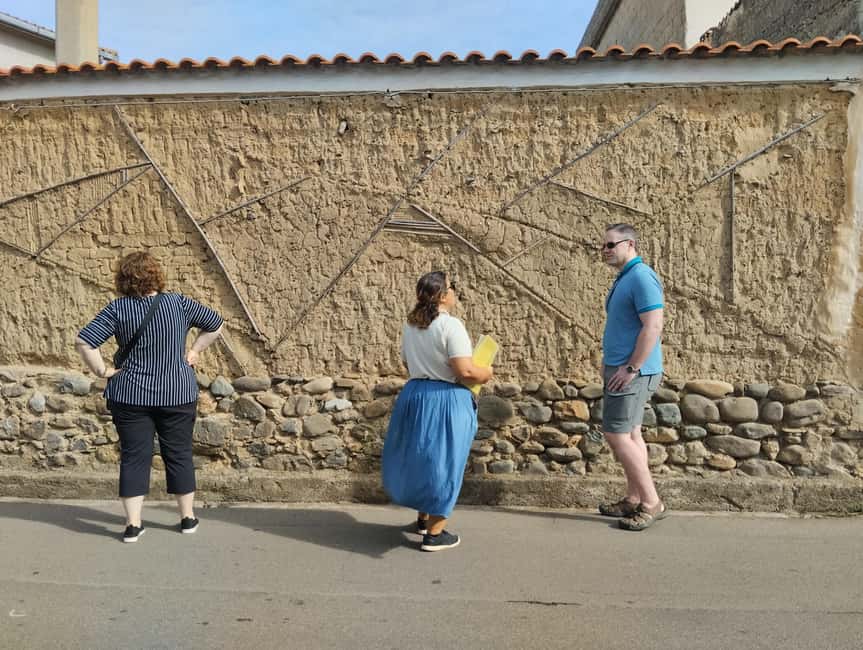
The heart of the tour is roughly 3 hours of guided walking through the village. This is where the San Sperate Murales Tour becomes more than a photo stop. Your route takes you through the small roads and side spaces where murals can be easy to miss if you’re rushing.
As you go, keep an eye on the subjects. The murals often focus on agriculture and village traditions—so when you see scenes of harvesting or community celebrations, you’re getting Sardinia’s texture, not just scenery. You’ll also run into religious-themed murals that connect to the passing of seasons, and that helps the village feel like it follows a yearly rhythm.
Here’s what makes this pacing work for me as a reviewer: the tour gives enough time for both looking and re-looking. You’re not just glancing at a wall; you’re walking, hearing, noticing, and then walking again. By the end, the village reads like one connected open-air gallery.
Possible downside: because it’s a walking experience, you should plan for village-street terrain and stop-start movement at corners and viewpoints. If you’re expecting a totally flat stroll or a mostly roadside drive, you’ll want to be mentally ready for actual walking.





Gardens, Flowers, and Contemporary Pieces You Can Spot on Your Own
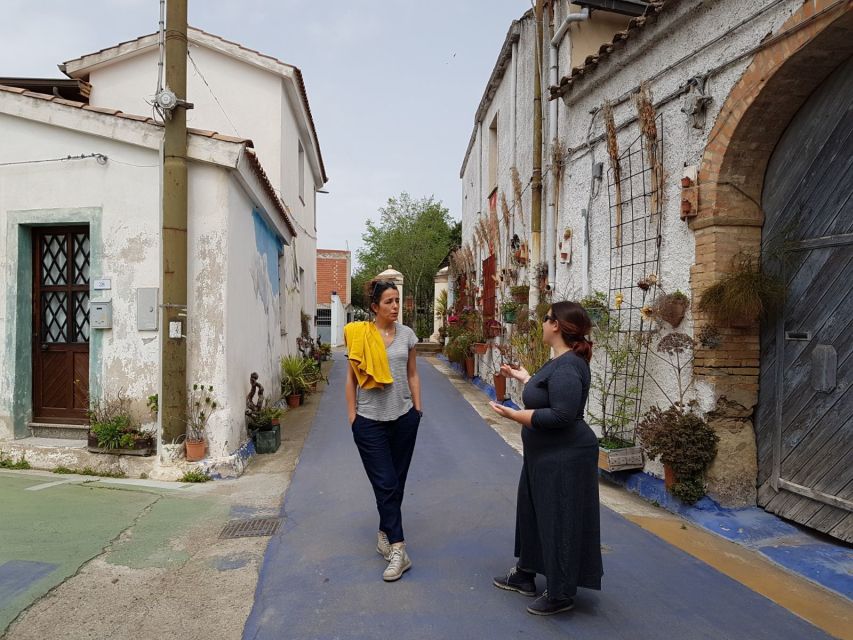
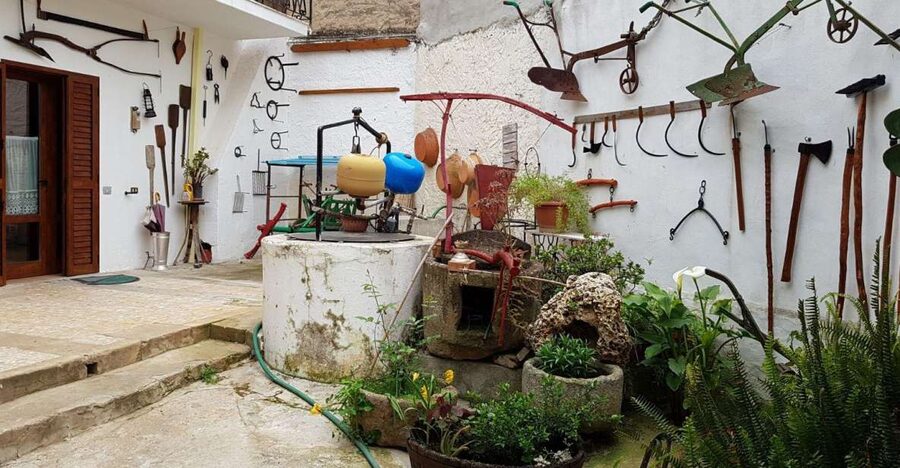
One reason I like this kind of village-mural tour is that it rewards attention. In San Sperate, you’ll see gardens with flowers and small details tucked between buildings. Those moments can feel almost accidental, but that’s the point: you slow down and the village gives you more than the headline artwork.
You’ll also encounter both traditional murals and contemporary art installations scattered through the area. That mix changes your viewing habits. When the art shifts from older painted scenes to newer installations, you naturally start asking how the community uses art now—what it values, and what it chooses to show.
When the guide is strong (and many people specifically highlight Claudia’s explanations), you’ll walk away understanding not just what the art depicts, but why it belongs in the village space. And even if you don’t catch every detail in the first pass, you’ll still have a clear sense of the village’s “art-and-life” relationship.
Why the Elderly Community Changes the Whole Experience
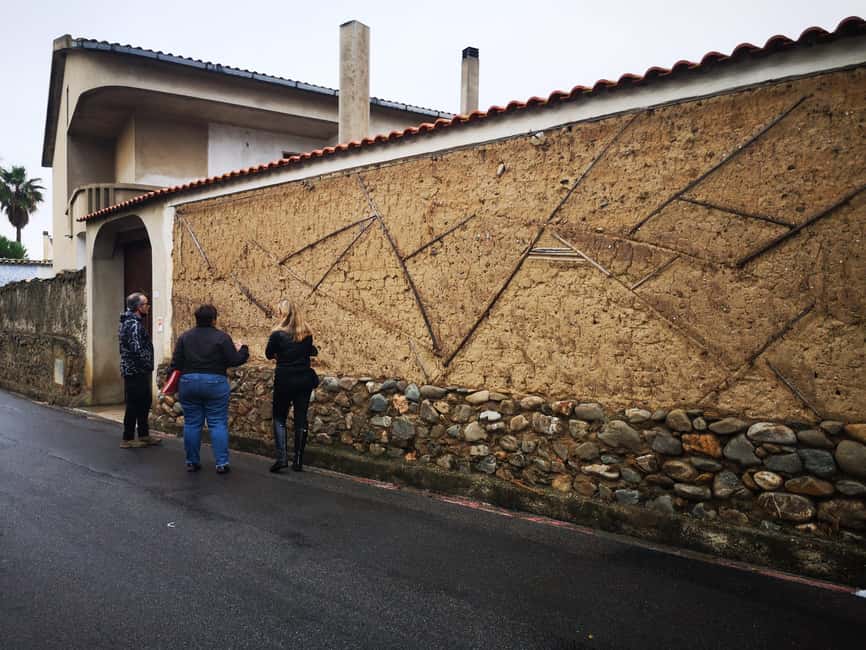
The murals are the headline. The people are the reason it feels real.
San Sperate has an elderly community that remains active and independent. You may see nonagenarians cycling through the streets, going about daily errands, and gathering in squares. The tour description also points to how traditional routines continue—plus religious processions that mark seasonal change.
That matters because it prevents the visit from feeling like a theme-park version of village culture. Instead of imagining Sardinia from afar, you’re seeing how traditions still live in real time. Even if you’re mainly there for art, this human layer adds meaning.
It’s also a respectful kind of connection. You’re not pushed into awkward interactions; you’re guided through the village with the understanding that daily life is part of what you’re observing. For me, that’s one of the most valuable parts of the San Sperate Murales Tour.
Price and Value for a 4-Hour Small-Group Art Walk
At $100 per person for about 4 hours, this isn’t a “quick, cheap, and forget it” stop. But it does include two things that often cost extra elsewhere: transportation in an air-conditioned car and a live guide with accurate descriptions. It’s also capped at 6 participants, which usually means less time waiting and more attention from the guide.
No food or drinks are included, so you’ll want to plan around that. If you schedule this near a meal, treat it like a cultural walk that will make you hungry after—because you’re out moving through the village.
Is it a good value? If you like art that’s tied to real places, and you prefer a structured guide so you understand what you’re seeing, then yes. If you only want a casual stroll with zero guidance, you might feel the price more than the benefits.
Should You Book the San Sperate Murales Tour?
I’d book it if you want:
- a walking art experience with stories behind the murals
- a small-group setting so the guide can explain details as you go
- a countryside village feel near Cagliari without turning it into a long day
Skip it if you want:
- a mostly seated, low-walking outing
- a tour that includes lunch or drinks
- purely indoor museum vibes
If you’re a fan of murals, Sardinian rural life, and the kind of culture that still runs on everyday routines, this is a very satisfying way to spend half a day.
FAQ
Where is the meeting point for the San Sperate Murales Tour?
You meet your guide in Viale La Plaia, 1 in Cagliari, in front of the ENI Gas Station.
How long is the tour?
The experience lasts about 4 hours total.
Is transportation included?
Yes. You’ll travel by van in a comfortable air-conditioned car.
What does the tour include besides the walk?
It includes a guide with an accurate description of all places you visit, plus the air-conditioned transportation.
Are food and drinks included?
No. Food and drinks are not included.
What group size is this tour?
It’s a small group limited to 6 participants.
What languages is the guide available in?
The live guide is available in English and Italian.
What should I bring?
Bring comfortable shoes since you’ll be walking around the village.
What is the price per person?
The price is $100 per person.
More Tours in Cagliari


More Tour Reviews in Cagliari
Into the Barbagia

New in from around Cagliari


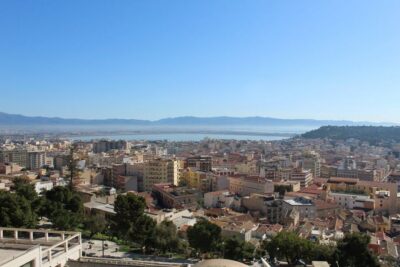

Barbagia: Orgosolo, Nuoro & Oliena, compared.
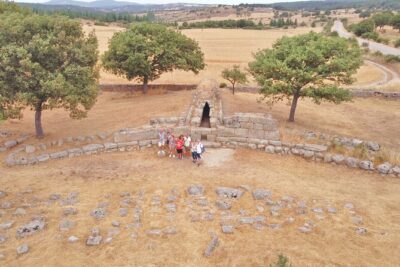 ★ 5.04×4 tour of Orgosolo: Murals and typical lunch at the shepherd’sFrom $7876 reviews
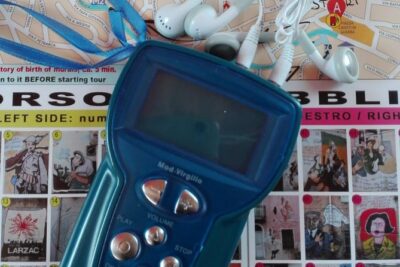 ★ 4.5Orgosolo Multilingual AudioguideFrom $1242 reviews
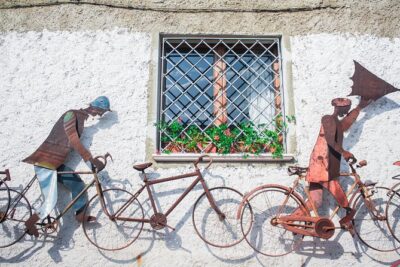 ★ 5.0The open air art gallery of San Sperate and Pinuccio Sciola’s Sounding StonesFrom $8417 reviews
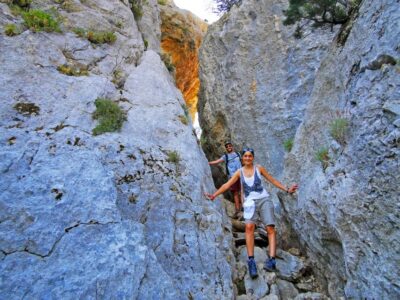 ★ 5.0Orosei-Dorgali-Oliena: Hike to nuragic village of TiscaliFrom $7710 reviews
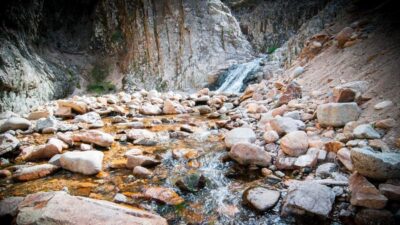 ★ 4.4Arzana: Mt. Gennargentu, Piricanis Gorges, & Waterfall HikeFrom $505 reviews
 ★ 5.0Full Day-Small group: Barbagia Experience: Mamoiada and Orgosolo from CagliariFrom $4375 reviews
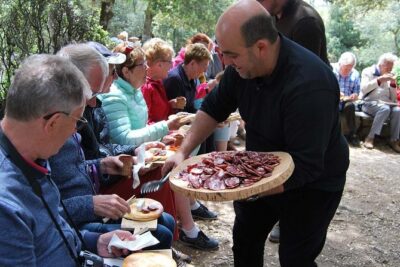 ★ 5.0Lunch With The Shepherds Of Orgosolo From Costa SmeraldaFrom $5554 reviews
 ★ 5.0Nuoro: Visit an oil mill with oil tastingFrom $913 reviews
Browse the lists this tour appears in