Reviewed · SARDINIA
Journey Through Time – Discover Sardinia’s Ancient Treasures
Olbia’s past rides alongside you. This archaeological route stitches together Nuragic, Roman, and medieval sites with quick rides in a Tuk-tuk or minivan and an included multi-language audio system. In just 2.5 hours, you get the big landmarks and the meaning behind them, from sacred water to fortress views.
I especially like how the tour keeps things moving without feeling rushed. The included clear audio system with speakers helps you follow along smoothly in English, French, German, Spanish, and Italian. One trade-off: some stops involve walking and uneven ground, and the castle area has steps, so bring sturdy shoes and plan for short climbs.
If you want a practical history outing that also gives you sea-and-city views from the road, this is a strong way to spend a morning or early afternoon in Olbia.
In This Review
- Key Highlights You’ll Actually Care About
- Meeting at Molo Brin: how the 2.5-hour route feels
- Tuk-tuk or minivan transport: comfort, rules, and real-world access
- About the “step factor”
- Monumento ai caduti and the Lungomare: a quick warm-up with views
- Basilica di San Simplicio: granite Romanesque and three building phases
- Roman waterworks in Olbia: aqueduct and cistern made for survival
- Acquedotto Romano (Roman aqueduct)
- Roman cistern (rainwater storage)
- Nuragic sacred water and the Tombs of the Giants
- Pozzo Sacro Sa Testa (Sacred Well)
- Giants’ grave Su Mont’e s’Abe
- Castello di Pedres: fortress views plus a step-heavy reality check
- Accessibility reality
- Parco Fausto Noce and the return to Molo Brin
- Value and price: what you really get for about $102
- Who this tour suits best (and who might feel it’s not the right fit)
- Quick practical checklist before you go
- Should you book this archaeological tour of Olbia?
- FAQ
- How long is the tour?
- Where does the tour start and end?
- What transportation is used?
- Is an audio guide included?
- Which main sites are visited?
- What should I bring with me?
- Are bottled water or cardigans included?
- Does the tour offer hotel pickup?
- Is the tour suitable for wheelchair users?
- What items are not allowed during the tour?
Key Highlights You’ll Actually Care About
- Multi-language audio guide via a clear in-vehicle speaker system for easier listening on the move
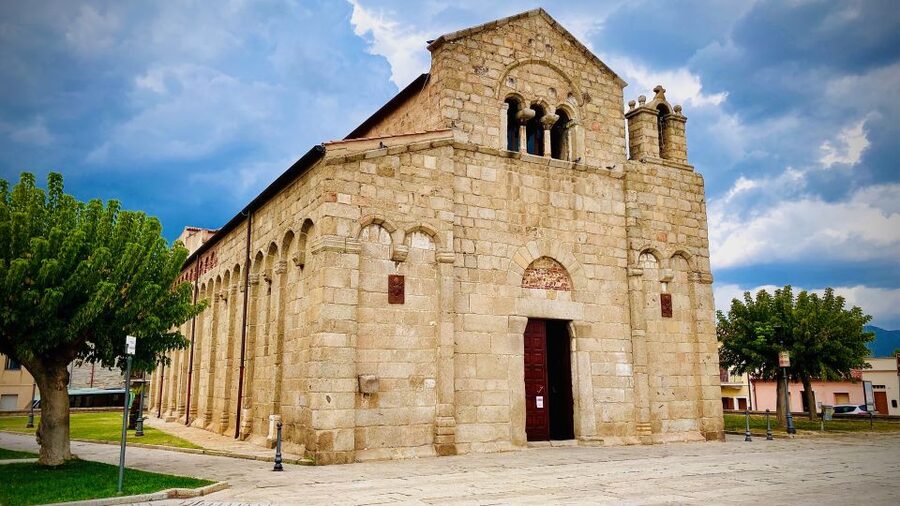
- San Simplicio Basilica in granite, a Romanesque church with multiple construction phases (11th–12th centuries)
- Nuragic sacred sites: Sa Testa (Pozzo Sacro) and Su Mont’e s’Abe (Giants’ tombs)
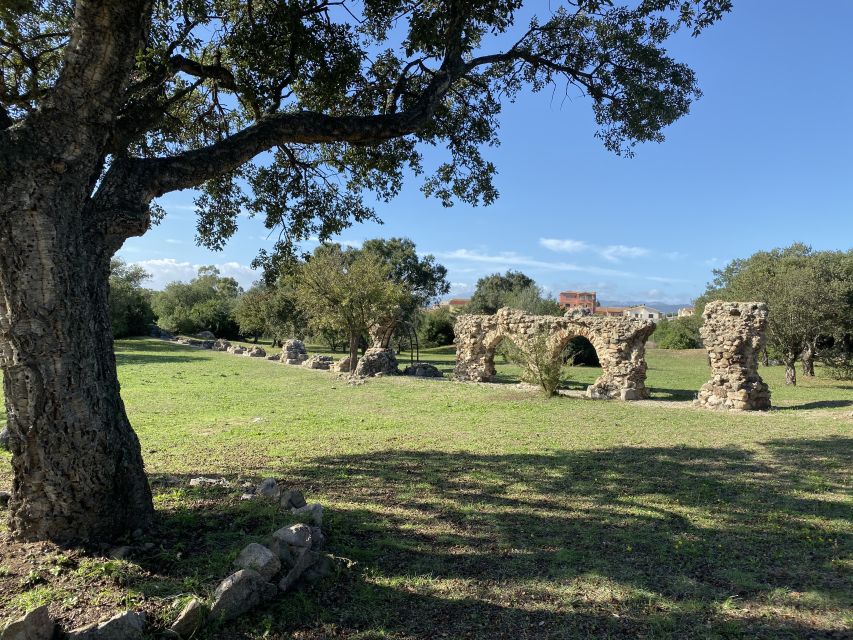
- Roman engineering stops: the aqueduct and a cistern that show how the city handled water
- Castello di Pedres photo stop plus walk, with standout viewpoints and some step-heavy terrain
Still weighing it up? A few more Olbia trips we have been out on.
- Dolphin Watching Tour – from Golfo Aranci★ 5.0 · 1,198 reviews
- Sardegna: Tavolara Boat Tour with Snorkeling★ 4.9 · 921 reviews
- Olbia: Dolphin Watching & Snorkeling Boat Tour near Figarolo★ 4.9 · 670 reviews
- Olbia: Tavolara and Molara Snorkeling Boat Tour★ 4.7 · 667 reviews
Meeting at Molo Brin: how the 2.5-hour route feels
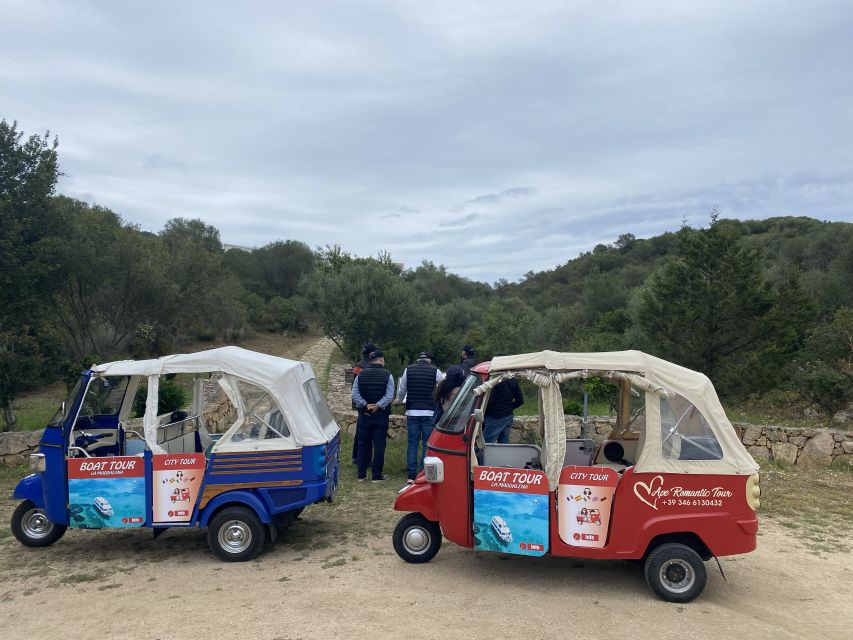
This tour is built for people who want structure. You start at Molo Brin (the parking area across from the carousel), and you finish right back at the same spot. Expect a 2.5-hour experience with short transfer rides and planned time at each monument.
The pace is “pick up, stop, see, photos, move on.” That’s ideal if you’re juggling a limited schedule in Sardinia, or if Olbia is just one stop on a bigger island plan. It’s also a good format if you’d rather not rent a car or figure out complicated driving between dispersed ancient sites.
Tuk-tuk or minivan transport: comfort, rules, and real-world access
You’ll travel in a Tuk-tuk or minivan with a professional Italian driver. In practice, that means you’re not walking long distances between every stop, which is a big deal when you’re doing multiple archaeological sites in one go.
Two things to keep in mind:
- The vehicle is part of the experience, but it’s still outdoors-leaning transfers—bring the jacket listed for what the day might feel like.
- You’re expected to follow the on-board rules: no smoking, no food in the vehicle, and avoid making noise. Intoxication and alcohol/drugs are also not allowed.
About the “step factor”
Not every site is flat. One of the stops, the hilltop Castello di Pedres, can mean short walks on uneven ground and some steps. A previous guest specifically asked for clearer help about the steepness and small steps during entry and noted the driver handled the situation with smart adjustments using curbs and even a tree root as a makeshift step. That’s a strong sign the driver tries hard—but it still pays to come prepared.
Also, the tour is not suitable for wheelchair users. If you’re using a mobility aid, you should take that seriously and plan alternatives.
Monumento ai caduti and the Lungomare: a quick warm-up with views
Before the main monuments start, you’ll roll past a couple of useful orientation points. The tour includes a stop tied to the Monumento ai caduti, plus scenic drive time along the Lungomare di Olbia.
These segments aren’t about one specific artifact. Instead, they help you get your bearings fast: where you are, how Olbia sits in relation to the coast, and what the city looks like from the road. It’s also a low-effort buffer before the archaeology starts getting hands-on.



Basilica di San Simplicio: granite Romanesque and three building phases
One of the easiest stops to love is the Basilica di San Simplicio. The wow-factor here isn’t a single “wow moment,” it’s the whole feel: an imposing Romanesque church built entirely in granite.
The basilica’s story spans three construction periods, from the 11th to the 12th century. That matters because it turns a church stop into a mini time machine. You’re not just looking at a façade; you’re seeing how a long project evolved over time.
Practical note: entrances to churches can require a cardigan or covering. Cardigans for entrance to churches aren’t included, so either bring one or wear something light that you can pull on quickly.
Roman waterworks in Olbia: aqueduct and cistern made for survival
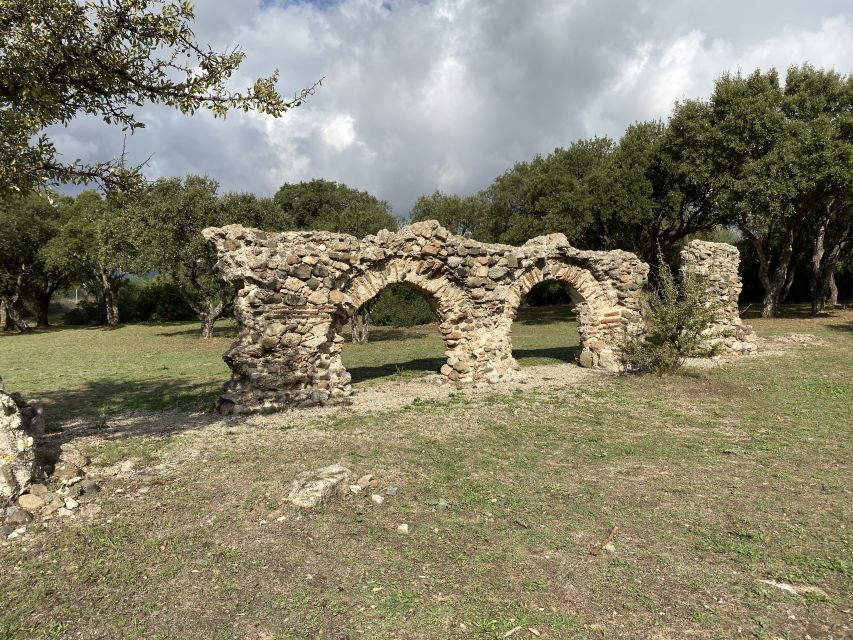
After the basilica, the route shifts into Roman engineering, and this is where the tour becomes extra useful. Romans weren’t just building temples. They were solving daily-life problems, especially water.
Acquedotto Romano (Roman aqueduct)
You’ll visit the Roman aqueduct, one of the most significant Roman structures in Olbia. The key detail: it supplied water from nearby springs—Monte Cabu Abbas—to the city center.
Even if you don’t read Roman texts, you can understand the point instantly: when you bring water into a growing city reliably, you enable everything else that follows—population, commerce, long-term settlement.
Roman cistern (rainwater storage)
Next you’ll see a Roman cistern, used to store rainwater. The message is clear: water wasn’t just a supply issue; it was a planning issue. A cistern is infrastructure built for the dry moments and seasonal swings.
If you like history that connects to real life, this pair of stops delivers. You leave with a better sense of how Romans kept Olbia running.
Nuragic sacred water and the Tombs of the Giants
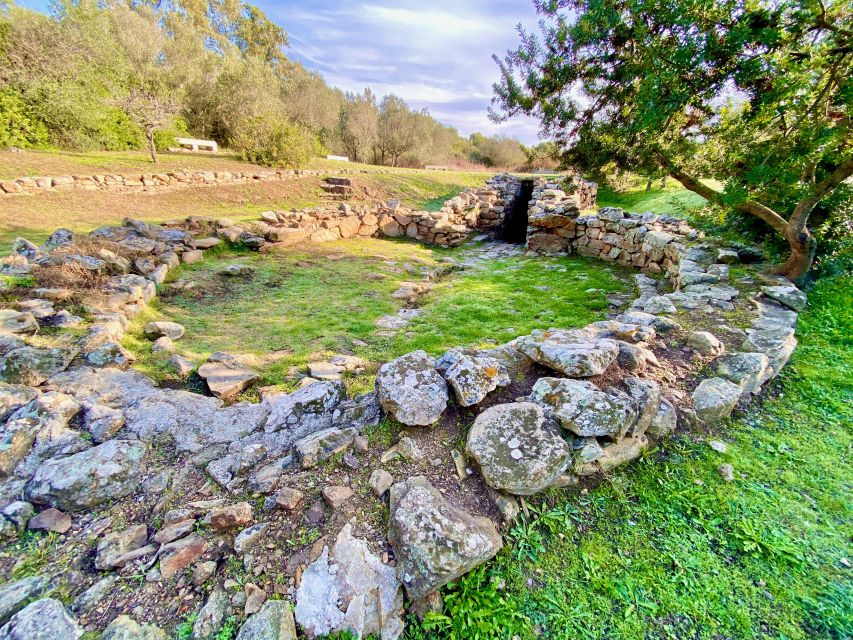
Now you get to the heart of Sardinia’s older story. The route includes two of the most striking Nuragic-related sites: the sacred well and the large burial monuments.
Pozzo Sacro Sa Testa (Sacred Well)
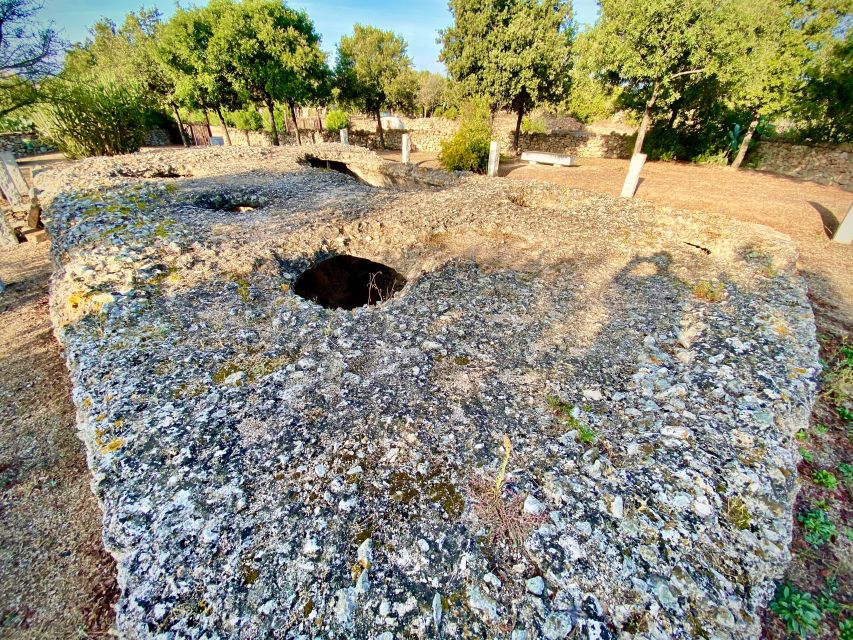
The Sacred Well of Sa Testa comes from the Nuragic period and is considered one of the most important remains of that civilization. This wasn’t just a water source. It served as a ritual site, showing how central water was to Nuragic spiritual life.
When you stand near a sacred well like this, you’re not only looking at stonework. You’re trying to picture a community gathering and practicing beliefs that shaped daily survival—because in many ancient societies, water meant more than convenience.
Giants’ grave Su Mont’e s’Abe
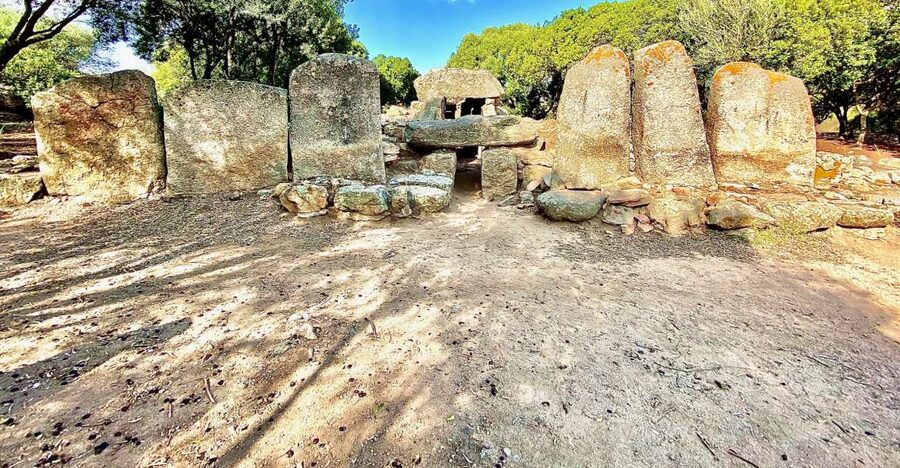
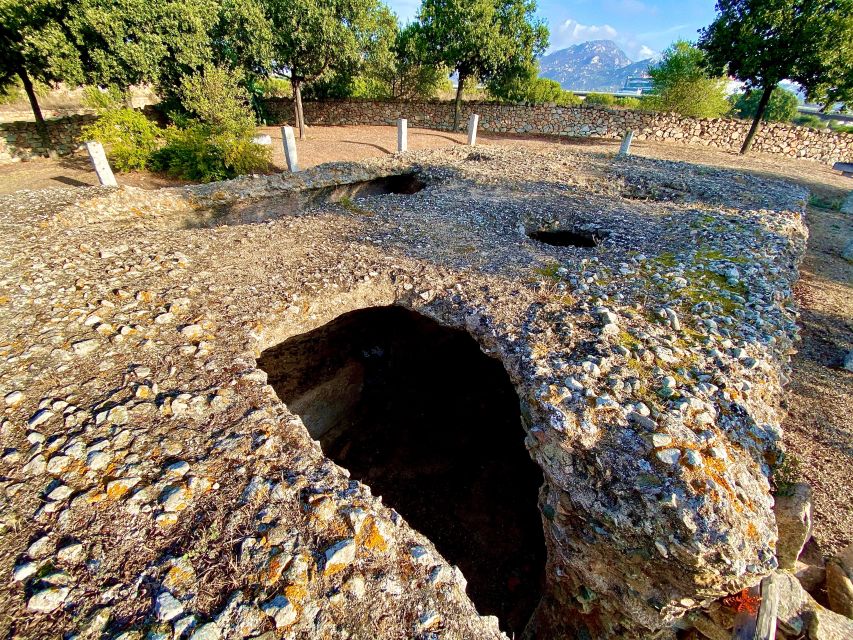
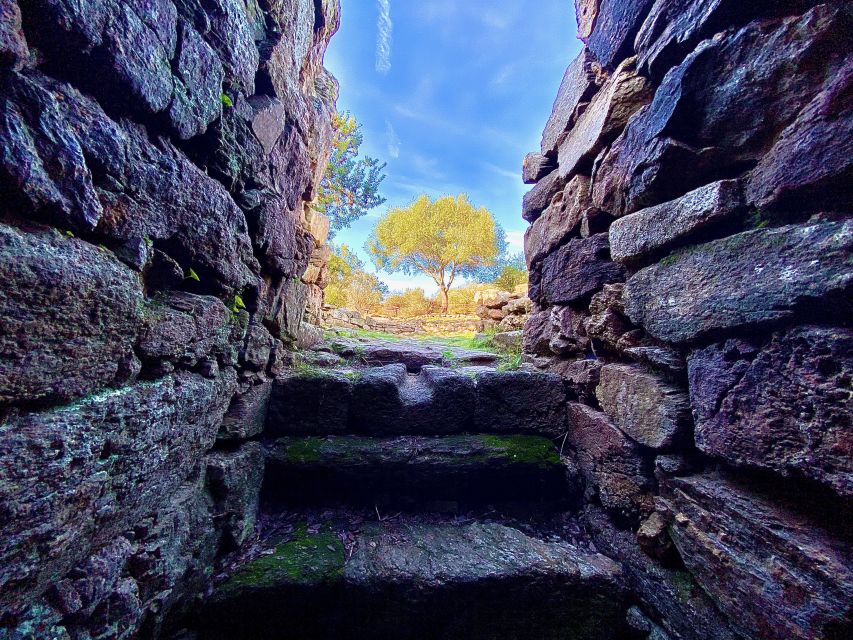
Then comes the burial monument: the Tombs of the Giants Su Mont’e s’Abe. These tombs measure an impressive 28 meters, and they’re described as the largest of their kind on the island.
This is another stop that helps you see how beliefs and society worked together. A giant burial complex implies planning, labor, and shared cultural meaning—something bigger than an individual grave.
The walk here is short but worthwhile, with time for photos and close viewing. You’ll also get scenic drive time leading into and out of the stop, so the big monument doesn’t just appear out of nowhere.
Castello di Pedres: fortress views plus a step-heavy reality check
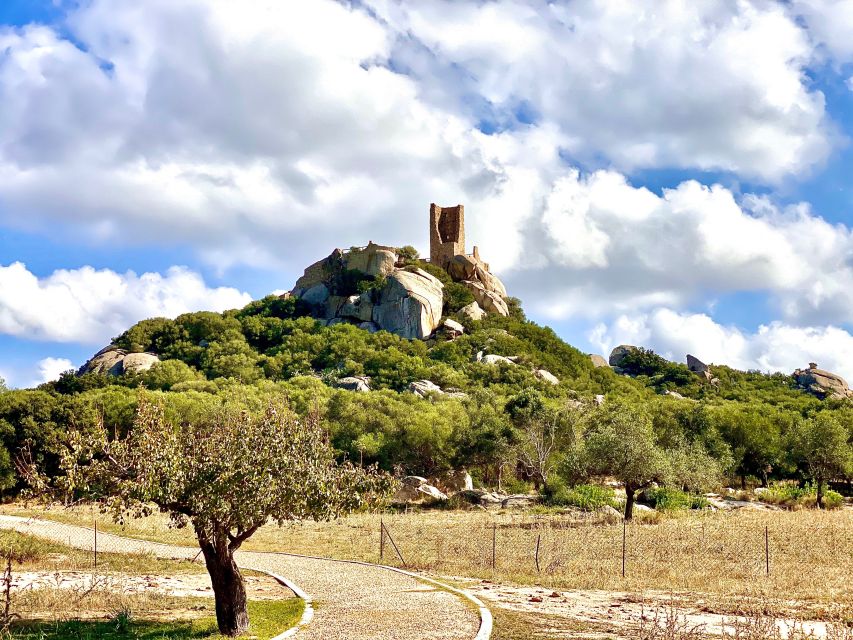
The Castello di Pedres is a 14th-century castle built on a rocky hill a few kilometers from Olbia. It’s defensive by nature, which is why you get that “seen from above” feeling when you’re standing around.
The tour gives you time for:
- a photo stop
- visit and sightseeing
- a short walk (about 25 minutes listed)
The payoff is the views and the sense of why this spot mattered. From a defensive standpoint, a hilltop gives sightlines. From a visitor standpoint, it gives you a panoramic understanding of how the area is laid out.
Accessibility reality
This is the stop to plan carefully if you have balance issues or use mobility aids. The route includes steps and small walking surfaces. The earlier mention of a driver helping with entry around tricky spots (using curbs and a tree root) suggests the team tries to adapt where possible, but it still isn’t a “wheelchair-friendly” experience.
Parco Fausto Noce and the return to Molo Brin
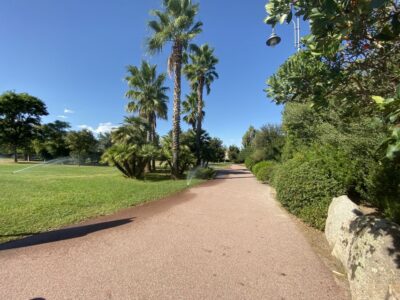
You’ll include a scenic drive around Parco Fausto Noce, plus a final transfer back to Molo Brin. Think of this as the closing act: a bit of time to look around without the pressure of a timed monument.
Because you finish back at the meeting point, you don’t need to solve transport at the end of your sightseeing. It’s simple, and that matters when you’re trying to keep your day smooth.
Value and price: what you really get for about $102
At $101.96 per person for about 2.5 hours, the value comes from three areas.
- You’re paying for built-in logistics
Tuk-tuk/minivan transport plus a structured stop order means you’re not spending your time driving, parking, and searching.
- You’re paying for interpretation support
The audio system isn’t an afterthought. Clear speakers make a difference when you’re outside and moving. And you get multiple languages: Italian, English, French, German, Spanish.
- You’re covering different time periods in one outing
The route intentionally layers Nuragic sacred sites, Roman water management, and medieval defensive architecture. That’s a lot of historical ground for one afternoon.
Not included items are straightforward: bottled water isn’t provided, and you’ll want comfortable shoes and a jacket. If you’re someone who brings your own small essentials, it won’t feel like a letdown.
Who this tour suits best (and who might feel it’s not the right fit)
This is a great match if:
- You want an organized archaeological route around Olbia without a rental car.
- You like history that connects to infrastructure, like how water was managed.
- You want a manageable walking day with mostly short site visits.
You might hesitate if:
- You use a wheelchair or need fully step-free access. It’s listed as not suitable for wheelchair users.
- You’re very sensitive to uneven ground or step-heavy entry areas (especially near Castello di Pedres).
If you’re on the fence due to walking comfort, your best move is simple: wear supportive footwear and plan to take your time during the hilltop stop. The driver experience is a positive sign, but the terrain is still there.
Quick practical checklist before you go
Bring:
- Comfortable shoes (non-negotiable for uneven ground)
- A jacket (for cooler or breezy moments)
Plan for:
- No bottled water included, so consider bringing your own if you’ll need it
- No cardigan included for church entrances
- Respect the rules: no smoking and no food/drinks in the vehicle
Should you book this archaeological tour of Olbia?
I’d book it if you want a well-paced mix of Sardinia’s older layers—Nuragic sacred water, Roman water engineering, and a medieval hilltop—without spending your whole day figuring out transport. The included audio system is a real advantage, and the stop order makes sense for first-time Olbia visitors.
Skip or rethink it if you need step-free access. And if the castle walk is a problem for you, you could still do Olbia at your own pace, but this particular route is designed for people who can handle short walks and a few tricky spots.
FAQ
How long is the tour?
The duration is listed as 2.5 hours. Starting times depend on availability.
Where does the tour start and end?
The meeting point is the parking area at Molo Brin in Olbia, across from the carousel. The tour ends back at the same meeting point.
What transportation is used?
You’ll travel by Tuk-tuk or minivan with a professional driver.
Is an audio guide included?
Yes. The tour includes a clear audio system with speakers and audio is available in Italian, English, French, German, and Spanish.
Which main sites are visited?
The itinerary includes stops at San Simplicio, the Roman aqueduct, a Roman cistern, the Pozzo Sacro Sa Testa, Su Mont’e s’Abe (Tombs of the Giants), and Castello di Pedres, plus scenic drives.
What should I bring with me?
Bring comfortable shoes and a jacket.
Are bottled water or cardigans included?
No. Bottled water and cardigans for church entrance are listed as not included.
Does the tour offer hotel pickup?
No hotel pickup is included. Pick-up from other areas in Olbia can be arranged for an additional charge, subject to organizer confirmation.
Is the tour suitable for wheelchair users?
No. The tour is listed as not suitable for wheelchair users.
What items are not allowed during the tour?
The rules listed include no smoking in the vehicle, no food or drinks in the vehicle, and no alcoholic drinks/alcohol and drugs. Also, avoid making noise.